
How to Get Fire Smoke Smell Out of House Fast (Simple Steps That Work)
Sep 29, 2026The fire is out, but the smell is still there. It clings to your walls, clothes, and furniture, and it makes your home feel unwelcome. If you want to know how to get fire smoke smell out of house fast, the good news is you can make a big difference in a day or two. Here are simple steps to start right away, and when to call a professional.
Quick Answer: How to Get Fire Smoke Smell Out of House Fast
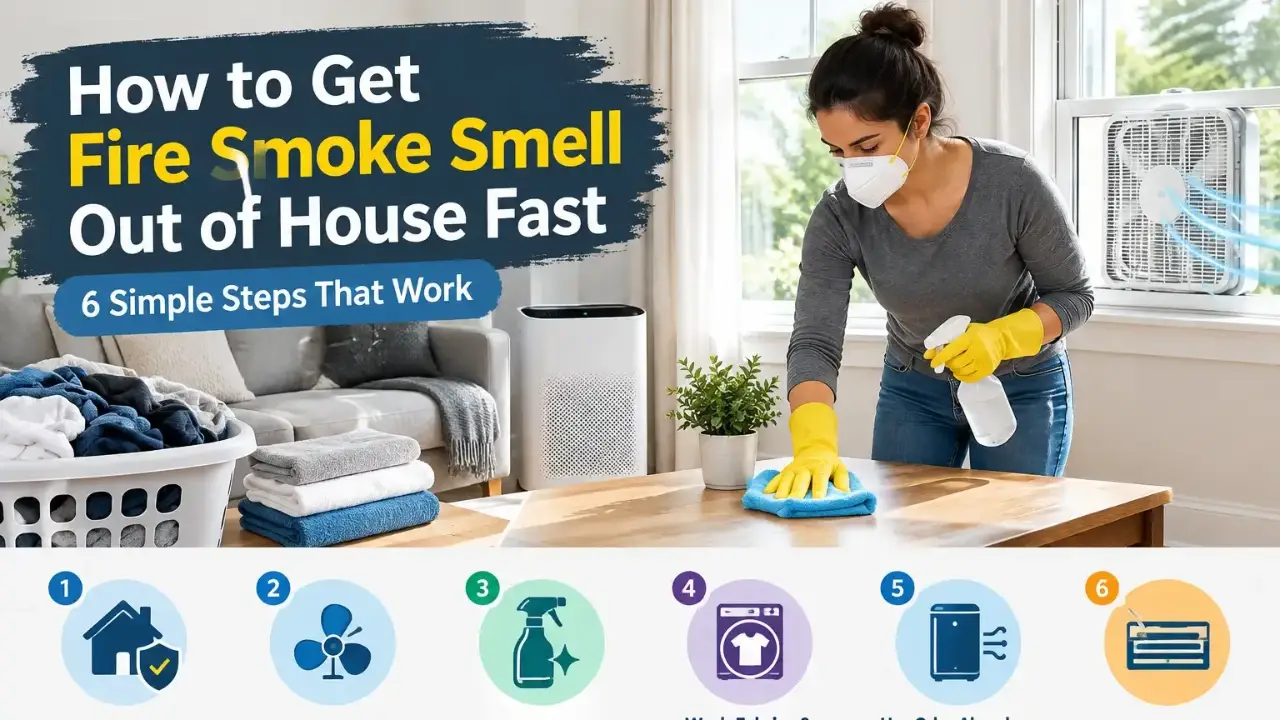
Open windows and run fans. Wipe hard surfaces with vinegar and water. Wash fabrics and use baking soda on carpets. Run a HEPA air purifier and replace your HVAC filter. If the smell stays, call a smoke restoration pro.
Why Does Smoke Smell Stay in Your House?
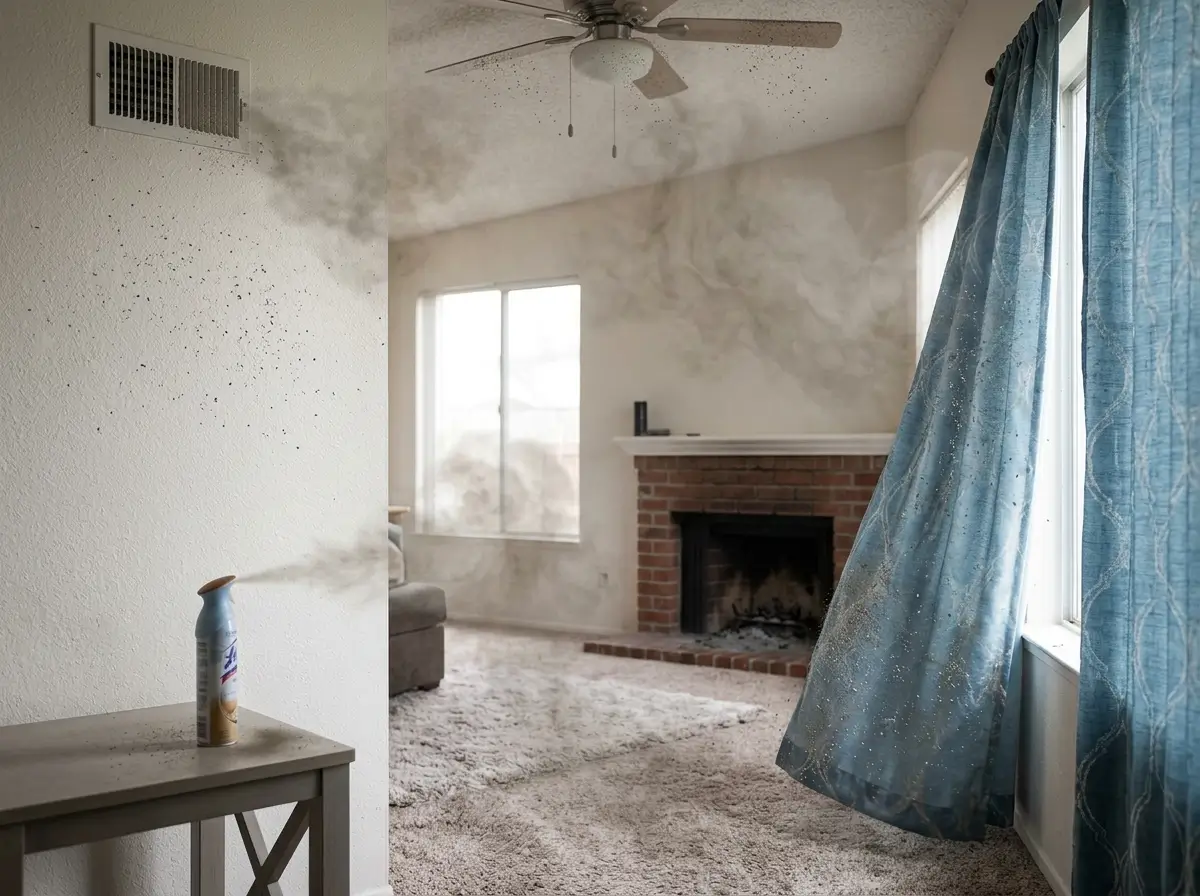
Smoke is made of tiny particles. They settle on walls, ceilings, carpets, curtains, and even inside your air ducts. A small kitchen fire, a fireplace, or a wildfire can all leave this smell. Soft materials hold it the longest. Air fresheners only mask the odor for a short time. To remove the smell, you have to remove the particles.
Step 1: Stay Safe First
After a house fire, do not go back in until fire officials say it is safe. Wear gloves, an N95 mask, and old clothes, because soot can irritate your skin and lungs. Call your insurance company and take photos before you throw anything away.
Step 2: Ventilate Right Away
Fresh air is the fastest first step. Open doors and windows and turn on fans. Place one box fan in a window blowing out and another in a different window blowing in. This creates airflow that pushes smoky air outside. Also run your kitchen and bathroom fans.
If the smoke is coming from a wildfire outside, check the outdoor AQI first and keep your windows closed when the air is smoky.
Step 3: Clean Hard Surfaces From the Top Down
Soot settles on walls, ceilings, cabinets, and counters. Wipe them with warm water and white vinegar or a mild degreaser. Start at the ceiling and work down, and change your cloth often so you do not spread soot around.
Step 4: Wash Fabrics and Clean Carpets
Wash curtains, bedding, and clothes, and add a cup of vinegar to the rinse. Sprinkle baking soda on carpets and rugs, let it sit for several hours, then vacuum with a HEPA vacuum. For a heavy smell, steam clean carpets and upholstery. Keep washed items away from smoky rooms, or they will soak up the smell again.
Step 5: Use Odor Absorbers and Air Purifiers
Put bowls of white vinegar, baking soda, or activated charcoal in each room. Run an air purifier with both a HEPA filter and an activated carbon filter to catch fine particles and odors. These work best after cleaning, not instead of it. Skip ozone generators, since they can harm your lungs.
Step 6: Clean Your HVAC System and Air Ducts
Smoke particles can get into your heating and cooling system, so the smell keeps returning every time it runs. Replace your air filter right away, and again each month for the first year. If the fire was close or the smell is strong, get your ducts cleaned professionally. Learn more in our guide to air duct cleaning.
When to Call a Professional
Call a pro if the fire was large, soot covers many surfaces, or the smell returns after cleaning. If you have tried everything and are still searching for how to get fire smoke smell out of house fast, a smoke restoration company has specialized equipment that home methods cannot match.
Also, if you smell smoke but cannot find a cause, call an electrician or the fire department. It can point to hidden electrical damage inside the walls.
Final Thoughts
Knowing how to get fire smoke smell out of house fast comes down to a few steps: ventilate, clean, wash, absorb, and filter. Be patient, because deep smoke odor can take days or weeks to clear. Once it is gone, follow our tips on how to improve indoor air quality to keep your air fresh.
Schedule Your Indoor Air Quality Check Today
Worried about the air inside your home? Our professional indoor air quality inspections help identify hidden pollutants, allergens, and airflow issues so you can breathe cleaner, healthier air with confidence.