How to Handle Attic Mold Removal: A Homeowner's Guide
Feb 19, 2026Discovering mold in your attic can be alarming, but with the right approach, you can tackle this problem effectively. This comprehensive guide walks you through everything you need to know about attic mold removal.
Introduction
There's a hidden danger lurking above your living space that many homeowners overlook until it becomes a serious problem. Attic mold affects millions of homes across the country, causing health issues and structural damage worth thousands of dollars in repairs.
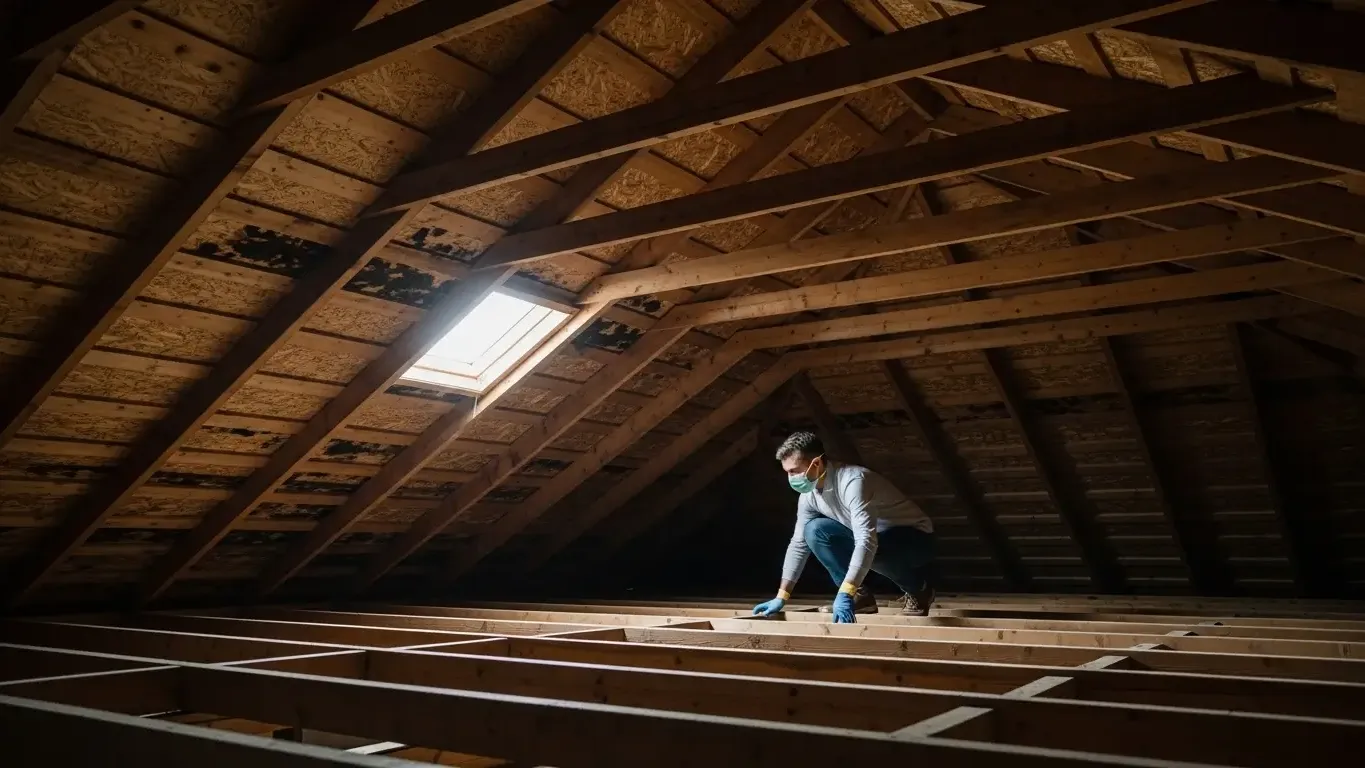
Your attic provides the perfect environment for mold growth due to its dark, often humid conditions and limited airflow. Understanding how to identify, remove, and prevent attic mold is essential for maintaining a healthy home and protecting your indoor air quality.
In this guide, you'll learn what causes attic mold, how to safely remove it yourself, when to call professionals, and proven prevention strategies.
Understanding Attic Mold
What Causes Mold Growth in Attics?
Mold thrives in environments with moisture, warmth, and organic materials to feed on. Your attic becomes vulnerable when these conditions combine:
Poor ventilation remains the leading cause of attic mold. Without proper airflow, moisture gets trapped and condenses on cold surfaces. Additionally, roof leaks and water intrusion provide the moisture mold needs to flourish.
Inadequate insulation creates temperature differences that cause condensation. Many homeowners unknowingly contribute to the problem by venting bathroom exhaust fans directly into the attic instead of outdoors.
Common Types of Attic Mold
Several mold varieties commonly appear in attics:
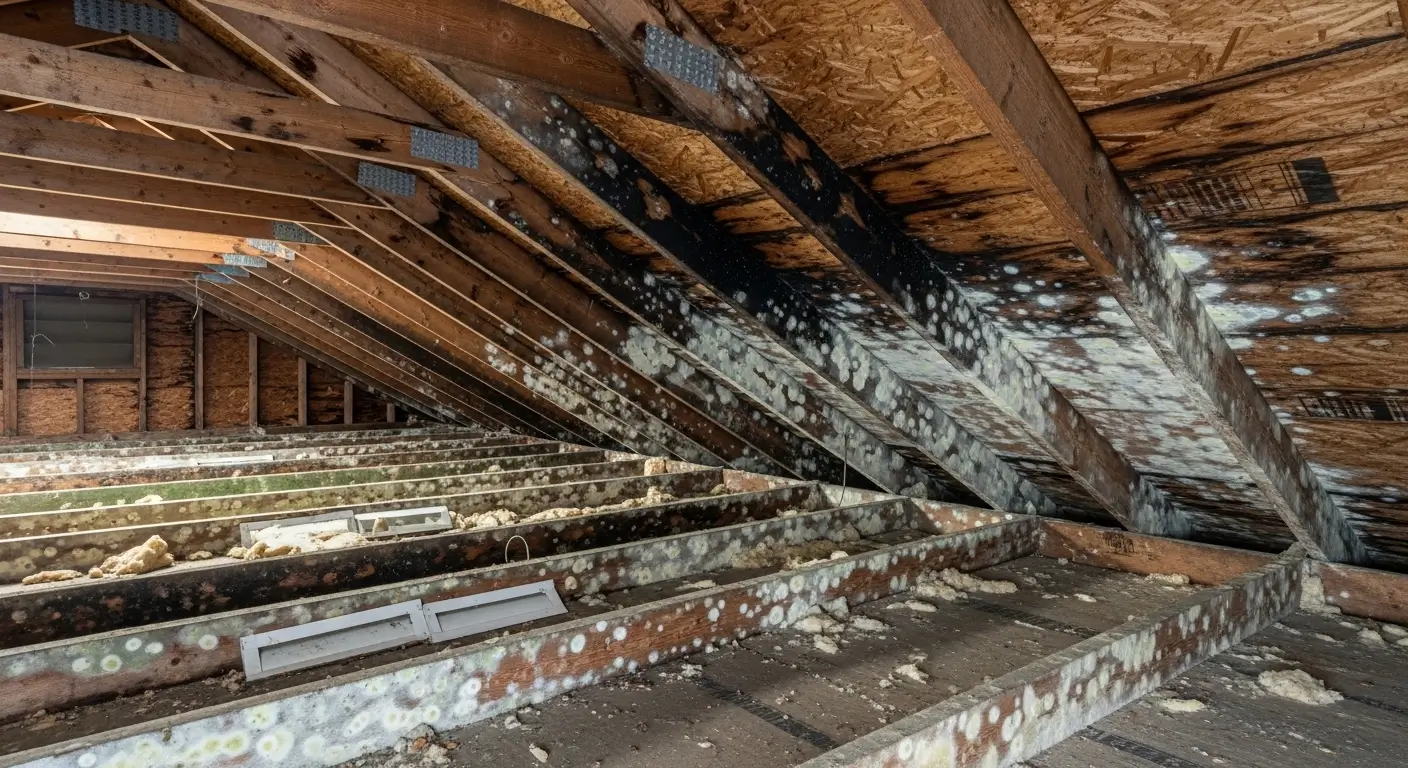
- Black mold (Stachybotrys) – The most concerning variety, requiring professional removal
- White mold – Often mistaken for efflorescence or mildew
- Green and brown molds – Common on wood surfaces and insulation
Signs You Have Attic Mold
Watch for these warning signs indicating mold presence:
- Musty, earthy odors coming from above
- Visible discoloration on rafters, sheathing, or insulation
- Water stains appearing on ceilings below
- Increased allergy symptoms among family members
- Humidity readings above 60% in your attic space
Safety First: Before You Begin
Health Precautions
Before attempting DIY mold removal, understand the risks involved. Mold exposure can cause respiratory problems, allergic reactions, and other health issues. Individuals with asthma, compromised immune systems, or mold allergies should never attempt removal themselves.
Required Safety Equipment
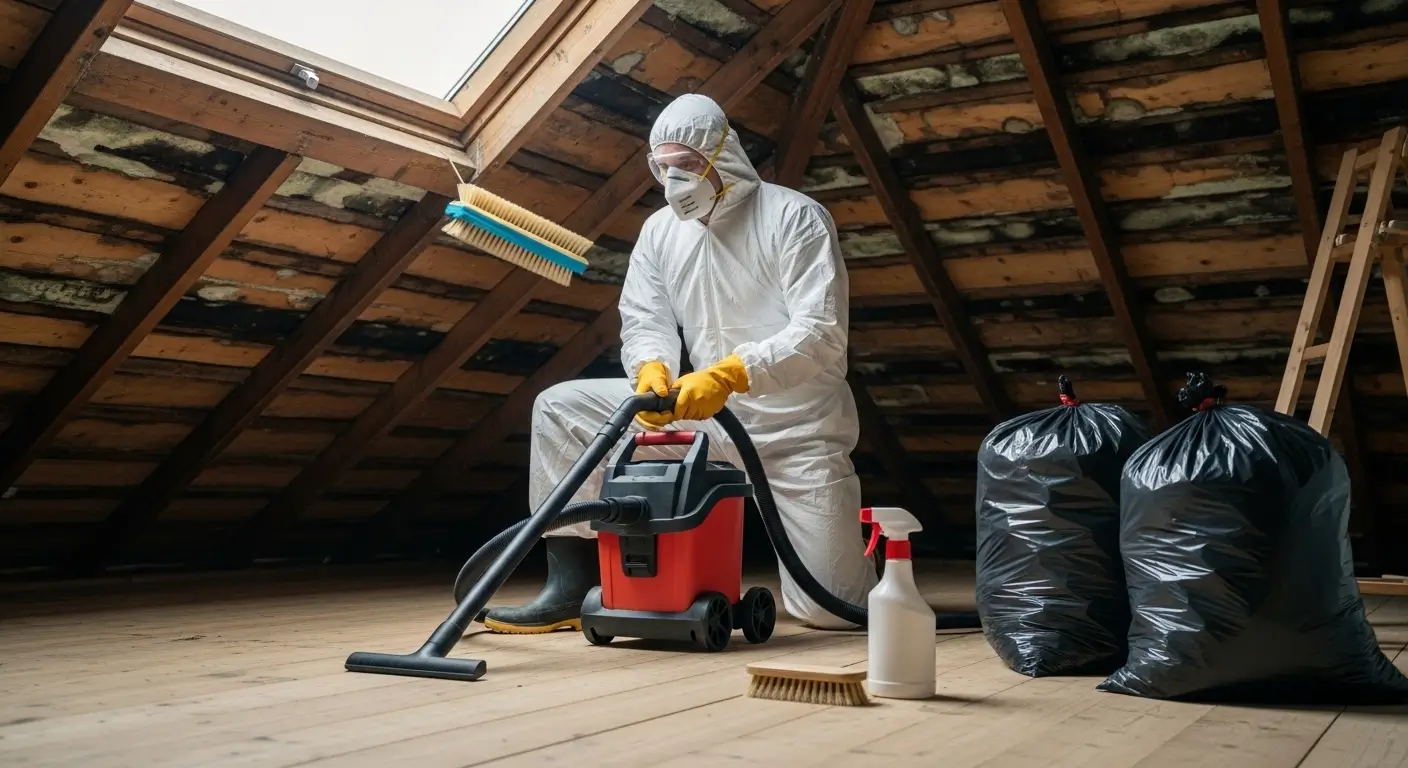
Proper protection is non-negotiable when dealing with mold:
- N95 or P100 respirator masks
- Protective eyewear with no ventilation holes
- Nitrile or rubber gloves
- Disposable coveralls
- Sturdy, closed-toe footwear
Containment Strategies
Prevent mold spores from spreading throughout your home by sealing the attic access point with plastic sheeting. Create negative air pressure using a fan pointed outward through a window if available.
DIY Attic Mold Removal Process
Assessment and Preparation
The EPA recommends hiring professionals for mold coverage exceeding 10 square feet. For smaller areas, DIY removal is feasible with proper precautions.
Before starting, document the affected areas with photos. Gather your tools, including a HEPA vacuum, scrub brushes, cleaning solutions, and heavy-duty garbage bags.
Step-by-Step Removal Process
Follow these steps for effective mold remediation:
- Set up adequate lighting to clearly see affected areas
- Remove contaminated insulation and bag it immediately
- HEPA vacuum all surfaces to capture loose spores
- Apply cleaning solution – white vinegar, borax solution, or commercial mold removers work well
- Scrub affected surfaces thoroughly with a stiff brush
- Dry the area completely using fans and dehumidifiers
- Apply mold inhibitor to prevent regrowth
Disposal Guidelines
Bag all contaminated materials in heavy-duty plastic bags. Seal them tightly before transporting through your home. Check local regulations regarding mold-contaminated material disposal.
When to Call Professional Mold Remediation
Situations Requiring Professionals
Contact certified mold remediation specialists when facing:
- Mold coverage larger than 10 square feet
- Suspected toxic black mold
- HVAC system contamination
- Structural damage to rafters or sheathing
- Recurring mold despite previous removal attempts
Addressing the Root Cause
Removing mold without fixing underlying problems guarantees its return. Focus on these critical areas:
Fixing Moisture Problems
- Repair all roof leaks immediately
- Redirect bathroom and kitchen exhaust vents outdoors
- Install proper attic ventilation including ridge vents and soffit vents
- Upgrade insulation to prevent condensation
Controlling Humidity Levels
Maintain attic humidity below 50% whenever possible. Consider installing vapor barriers and using dehumidifiers during humid seasons.
Prevention: Keeping Mold from Returning
Regular Maintenance Schedule
Conduct monthly visual inspections of your attic, especially during seasonal transitions. Look for new moisture signs, musty odors, or discoloration.
Long-term Prevention Strategies
Implement these practices for lasting protection:
- Keep gutters clean and properly draining
- Trim tree branches overhanging your roof
- Schedule annual professional roof inspections
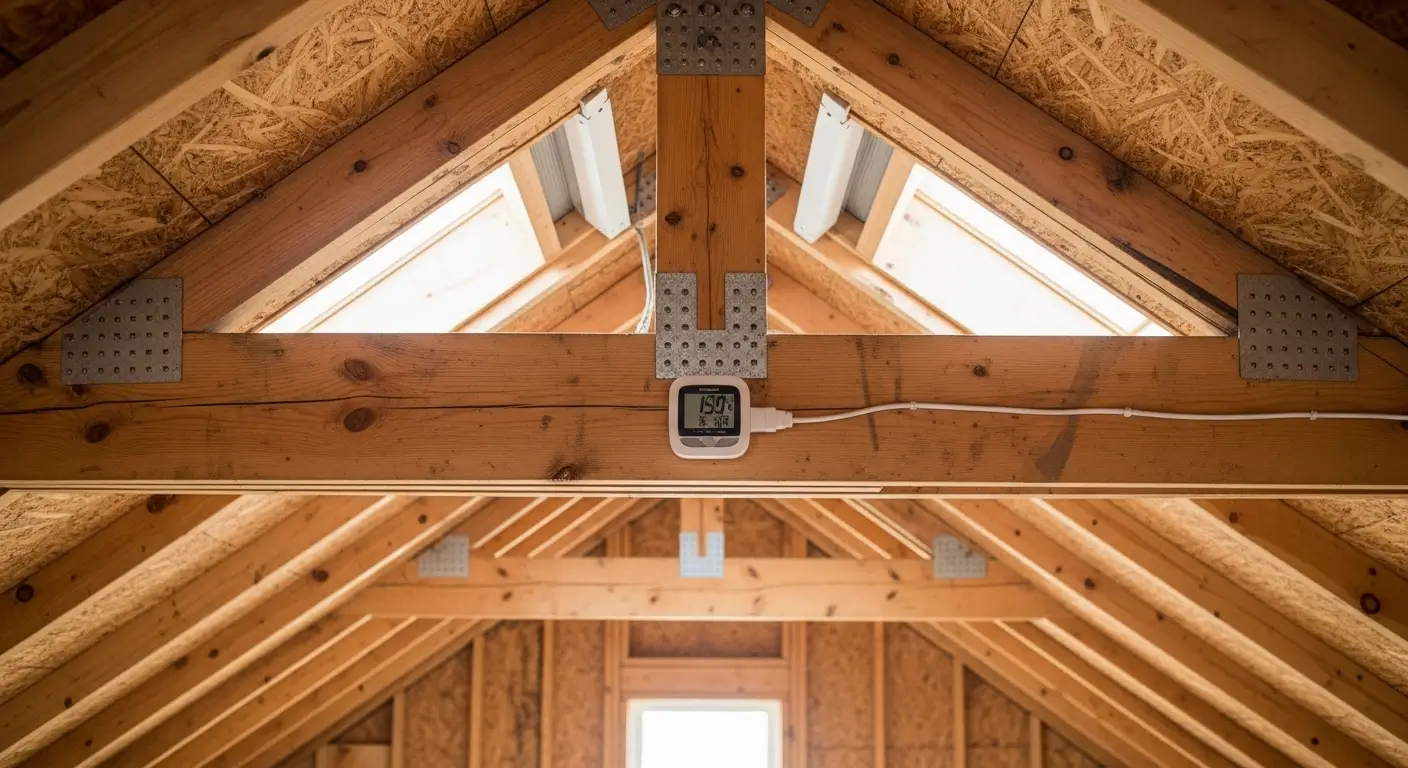
- Install humidity monitoring devices in your attic
Conclusion
Attic mold removal requires careful attention to safety, proper technique, and addressing root causes. While small areas can be handled through DIY methods, larger infestations demand professional intervention.
Remember, successful mold remediation means eliminating moisture sources that allowed growth initially. Without addressing ventilation, insulation, and humidity issues, mold will inevitably return.
Take action today by inspecting your attic for warning signs. Early detection saves money and protects your family's health.
Schedule Your Indoor Air Quality Check Today
Worried about the air inside your home? Our professional indoor air quality inspections help identify hidden pollutants, allergens, and airflow issues so you can breathe cleaner, healthier air with confidence.