
What Does Mold Smell Like? A Complete Guide to Identifying Mold by Odor
Mar 12, 2026You walk into your basement or open a closet and immediately notice something is off. There's a strange, unpleasant odor you can't quite explain. Sound familiar? That smell could be mold — and ignoring it might be a costly mistake.
Mold is one of the most common household problems, and its smell is often the very first warning sign. In this guide, you'll learn exactly what mold smells like, where it hides, what causes it, and what you can do about it.
What Does Mold Smell Like?

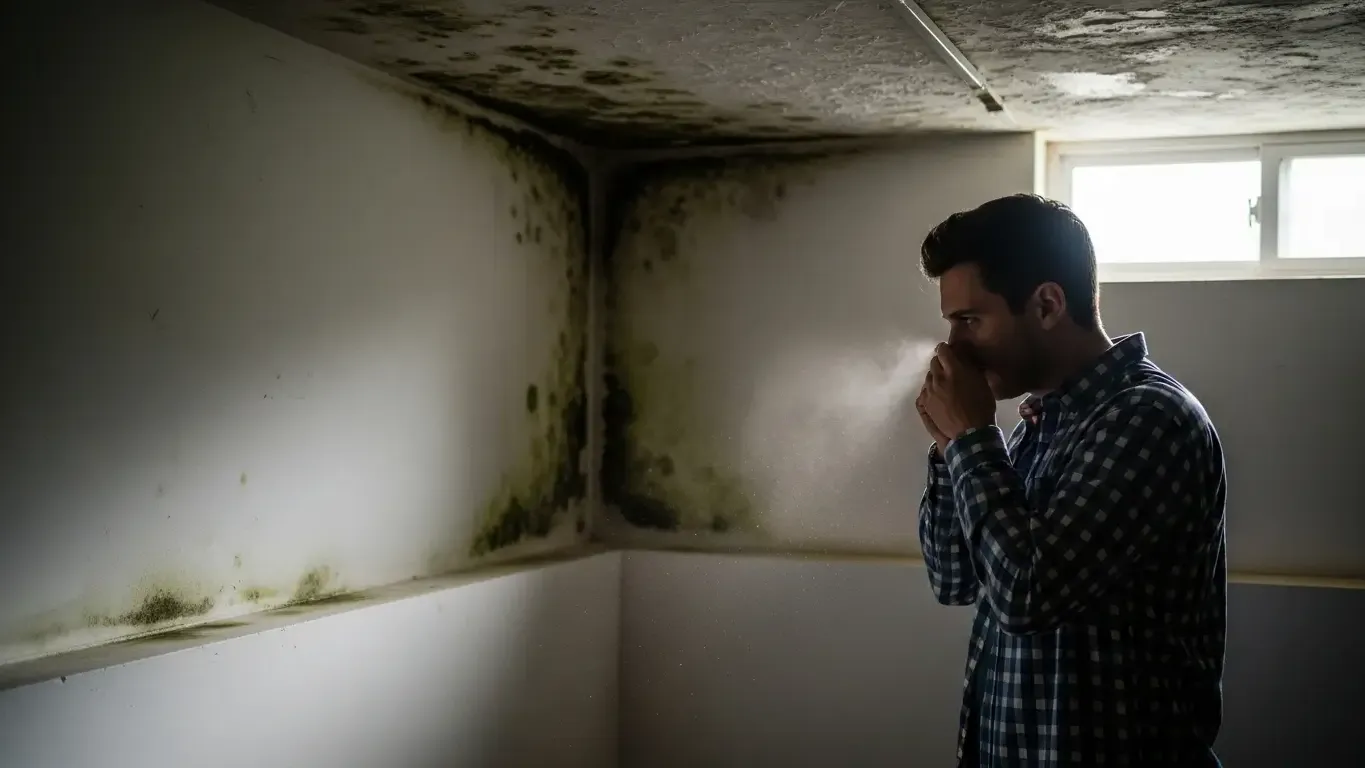
Most people describe the smell of mold as musty, earthy, and damp — similar to wet socks, rotting wood, or a pile of old books left in a damp room. It's a stale, lingering odor that doesn't go away no matter how much you clean or air freshener you spray.
But why does mold actually smell? The answer lies in MVOCs — Microbial Volatile Organic Compounds. These are gases released by mold as it grows and digests organic material. The more mold there is, the stronger and more pungent the smell becomes.
Think of it this way: if your home smells like a damp cave or a forgotten gym locker, you may have a mold problem hiding somewhere.
Different Types of Mold and Their Smells
Not all mold smells the same. Here's a quick breakdown:
- Black mold (Stachybotrys): Often described as strong, musty, and pungent — almost like rotting vegetables or dirty laundry.
- Mildew: A milder, powdery scent — lighter than mold but still unmistakably stale and damp.
- White mold: Usually produces a faint earthy odor, often mistaken for soil or compost.
- Green/Blue mold (like Penicillium): A sharp, slightly sweet or fermented smell — like old cheese or overripe fruit.
Where Is the Mold Smell Coming From? (Room by Room)
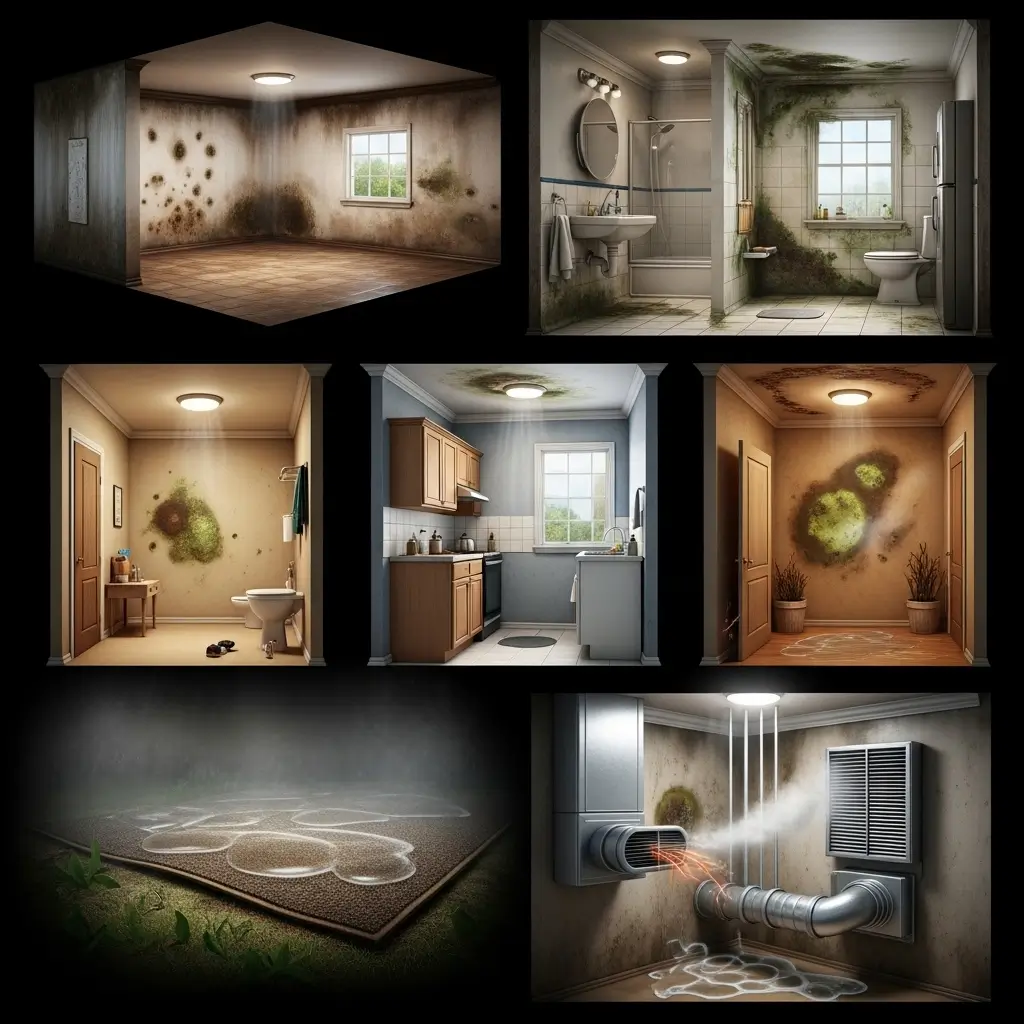
One of the trickiest things about mold odor is tracking it to its source. Mold loves dark, damp, and poorly ventilated spaces. Here's where to check first:
- Basement & crawl spaces: High moisture levels make these prime real estate for mold growth.
- Bathroom: Around tiles, under sinks, and behind toilet tanks — anywhere moisture lingers.
- Kitchen: Under the sink, around leaky pipes, and behind appliances like the refrigerator.
- Walls & ceiling: Water leaks or condensation can lead to hidden mold inside drywall.
- Carpet & flooring: Wet carpet that wasn't dried quickly is a magnet for mold spores.
- Air vents & HVAC: Mold inside ductwork can spread musty odors throughout your entire home.
Can You Smell Mold You Can't See?
Absolutely — and this is where mold becomes especially sneaky. Hidden mold behind walls, under flooring, or inside air ducts can produce a strong musty smell even when there's no visible growth.
If you smell mold but can't find it, pay attention to areas with recent water damage, poor airflow, or high humidity. A persistent moldy smell that comes and goes is a major red flag that hidden mold is present.
Health Symptoms Triggered by Mold Smell

Mold doesn't just smell bad — it can make you sick. Exposure to mold spores and MVOCs can trigger a range of health issues, especially for people with allergies, asthma, or weakened immune systems:
- Respiratory problems such as coughing, wheezing, or shortness of breath
- Persistent headaches or brain fog
- Chronic fatigue and difficulty sleeping
- Sneezing, itchy eyes, or skin rashes — classic signs of mold allergy symptoms
How to Confirm It's Mold (Not Just a Musty Odor)
A musty smell alone isn't always enough to confirm mold. Here's how to be sure:
- DIY mold test kits: Available at most hardware stores. Simple, affordable, and can confirm mold presence within 48 hours.
- Professional mold inspection: A certified inspector can detect hidden mold and identify the exact species.
- Visual clues: Discoloration on walls, peeling paint, or dark spots alongside the smell are strong indicators.
How to Get Rid of Mold Smell
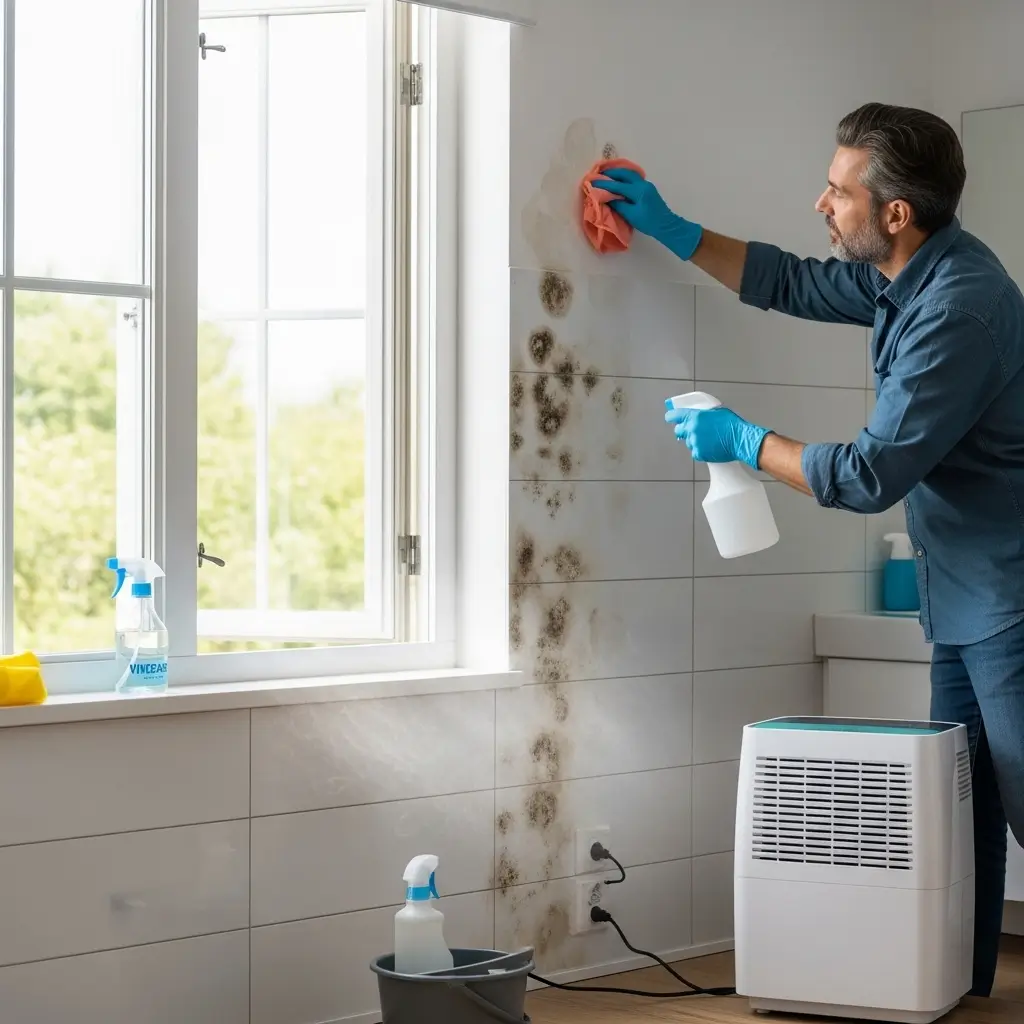
Getting rid of mold smell means getting rid of the mold itself. Here are your options:
- Small DIY jobs: For surface mold on non-porous materials, scrub with a mixture of water and white vinegar or a diluted bleach solution.
- Improve ventilation: Open windows, use exhaust fans, and let air circulate to reduce mold-friendly humidity.
- Use a dehumidifier: Keeping indoor humidity below 50% is one of the most effective mold prevention strategies.
- Call a professional: For large infestations, hidden mold, or black mold — always hire a licensed mold remediation specialist.
Final Thoughts
Mold smell is more than just unpleasant — it's your home telling you something is wrong. Whether it's that classic musty odor in the basement or a strange damp smell coming from your vents, don't ignore it.
The earlier you identify and address mold, the less damage it causes — to your home and your health. Start with a simple sniff test, check the common problem areas, and if in doubt, bring in a professional.
Because when it comes to mold, a little action today can prevent a very big problem tomorrow.
Schedule Your Indoor Air Quality Check Today
Worried about the air inside your home? Our professional indoor air quality inspections help identify hidden pollutants, allergens, and airflow issues so you can breathe cleaner, healthier air with confidence.