
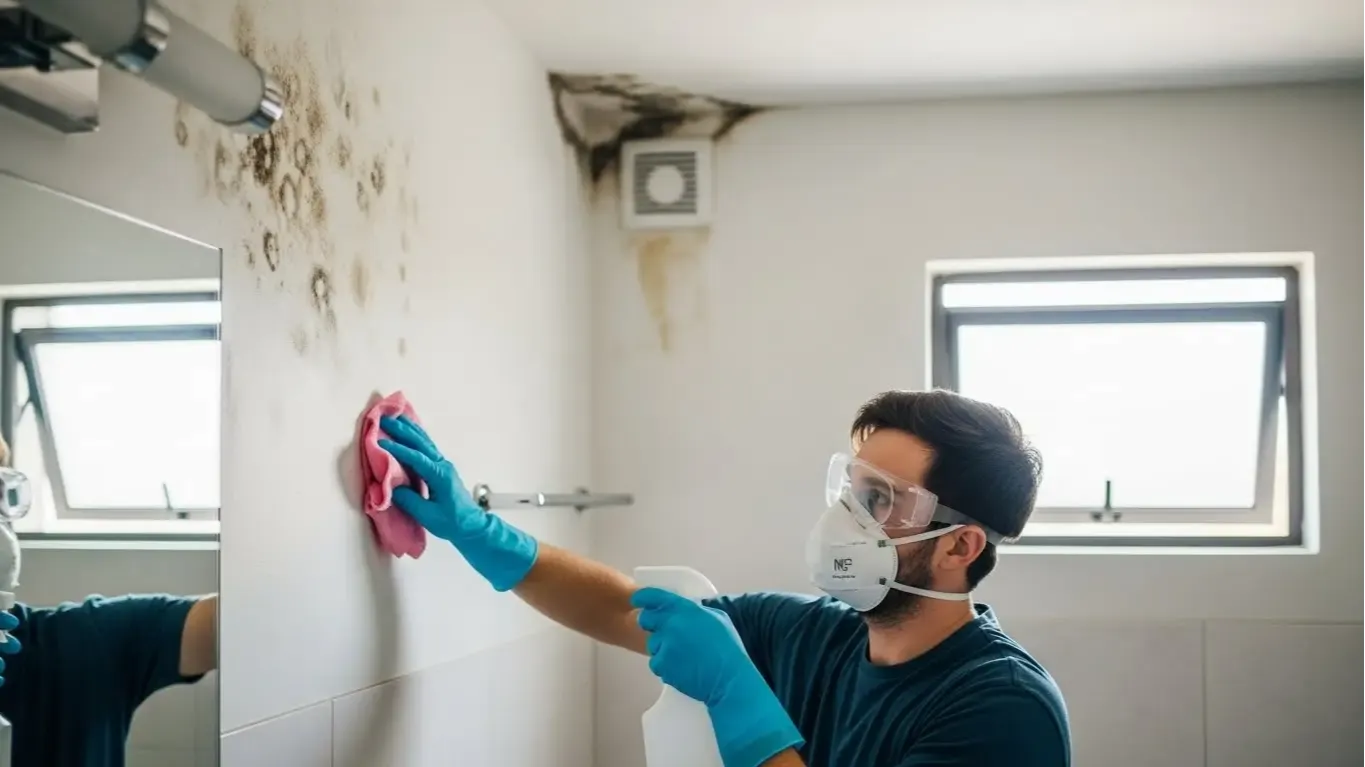
How to Clean Mold Safely: A Step-by-Step Guide for Homeowners
Dec 27, 2025Discovering mold in your home can be alarming. This common fungus appears as fuzzy spots of black, green, or white and thrives in damp areas. While it looks unpleasant, the real concern is its impact on your home's indoor air quality and your family's health. The good news is that you can learn how to clean mold safely and effectively from most surfaces. This guide will walk you through the process, from identifying the cause to preventing it from returning.
Is Mold Dangerous to Your Health?

When mold grows, it releases spores into the air that can degrade your indoor air quality. Inhaling these spores can cause health issues, especially for certain individuals. Short-term effects often resemble allergy symptoms, such as sneezing, a runny nose, coughing, and skin rashes.
For people with asthma, young children, the elderly, and those with weakened immune systems, the risks are greater. Long-term exposure can lead to more serious respiratory problems. This is why addressing indoor mold problems is crucial for maintaining a healthy home environment.
Safety Precautions Before Cleaning Mold
Before you begin, safety must be your top priority. You need to protect yourself from inhaling mold spores.
Protective Gear You Will Need:
- N-95 Respirator Mask: To filter out tiny mold spores.
- Gloves: Rubber or vinyl gloves to protect your hands.
- Goggles: To prevent spores from getting in your eyes.
Proper ventilation is also key. Open windows and use fans to direct air outside, but be careful not to blow air directly at the moldy area, as this can spread spores. If the moldy area is larger than 10 square feet or you suspect it's inside your walls or HVAC system, it's best to call a professional.
How to Clean Mold Safely (Step-by-Step Guide)
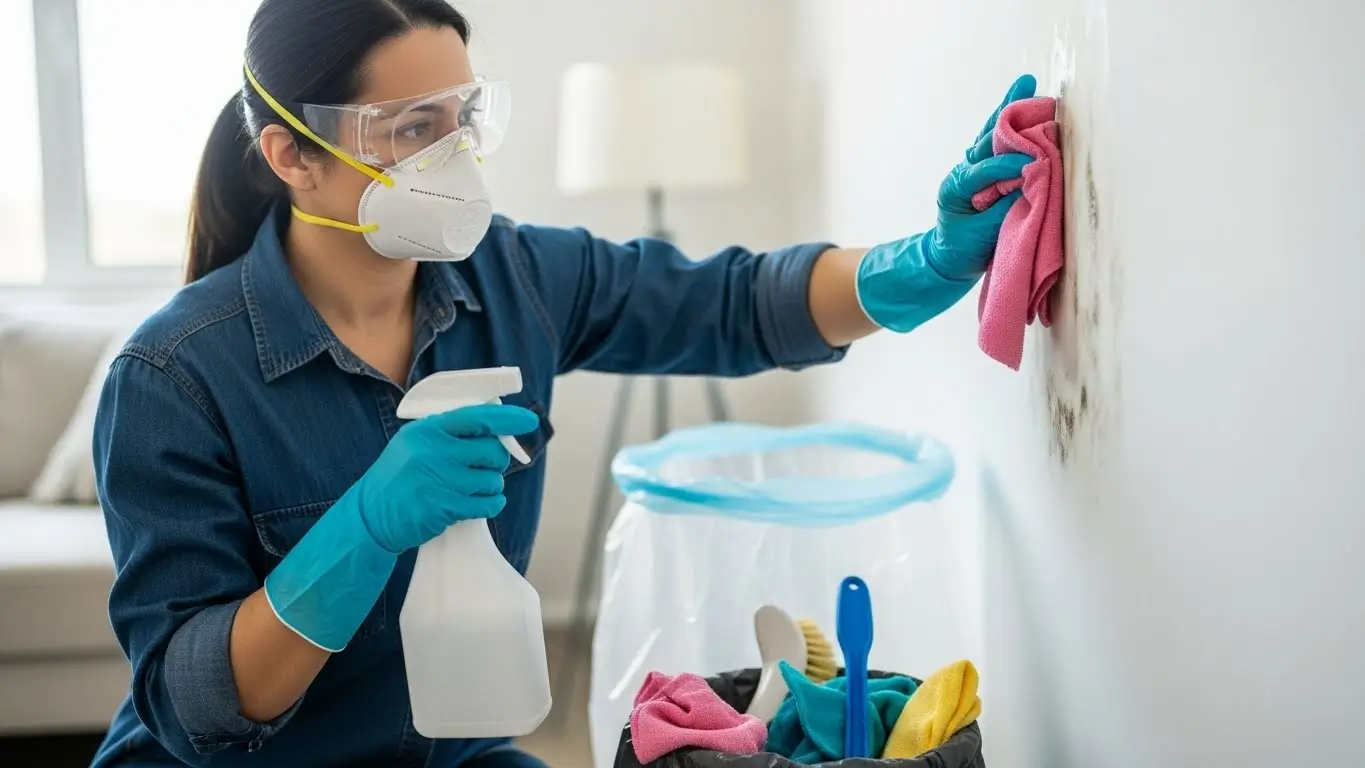
For small, manageable mold patches on non-porous surfaces, follow these steps for safe removal at home.
- Prepare the Area: Put on your protective gear. If possible, isolate the room by closing doors to prevent spores from traveling.
- Create Your Cleaning Solution: Mix a solution of one part white vinegar to one part water in a spray bottle. Other natural mold cleaners like a baking soda paste or a diluted hydrogen peroxide solution can also work.
- Apply and Wait: Spray the solution directly onto the moldy surface. Let it sit for at least one hour to kill the mold at its roots.
- Scrub the Surface: Use a scrub brush or sponge to scrub the mold away.
- Rinse and Dry: Wipe the area clean with a damp cloth. It is critical to dry the surface completely with a clean towel or fan to prevent regrowth.
- Dispose of Materials: Place all used cloths, sponges, and brushes in a sealed plastic bag before throwing them away.
How to Clean Mold from Walls
Cleaning mold from walls depends on the wall's surface. On painted, non-porous walls, you can usually use the vinegar solution described above.
However, if the mold is on drywall or unpainted plaster, it's a different story. These materials are porous, meaning the mold's roots can grow deep inside. Simply cleaning the surface won't solve the problem. In these cases, the affected section of drywall may need to be cut out and replaced.
How to Clean Mold in Bathroom Areas
Bathrooms are prime locations for mold due to constant moisture. To clean mold in the bathroom:
- Showers and Tubs: Use your cleaning solution on tiles and fiberglass surfaces.
- Grout: A paste of baking soda and water applied with a stiff brush works well on stubborn grout stains.
- Ceilings: Ensure you wear goggles to protect your eyes from dripping solution. Good ventilation is especially important here. Running the exhaust fan during and after every shower is a great prevention habit.
How to Clean Mold from Ceilings
When cleaning mold from ceilings, be extra cautious. Wear your safety goggles and make sure the room is well-ventilated. Apply your cleaning solution with a spray bottle or a sponge tied to a mop handle. Do not use a ladder if you feel unstable. If the mold is extensive or returns, it could indicate a leak from the roof or pipes above, which needs professional attention.
How to Remove Black Mold (Important Warning Section)
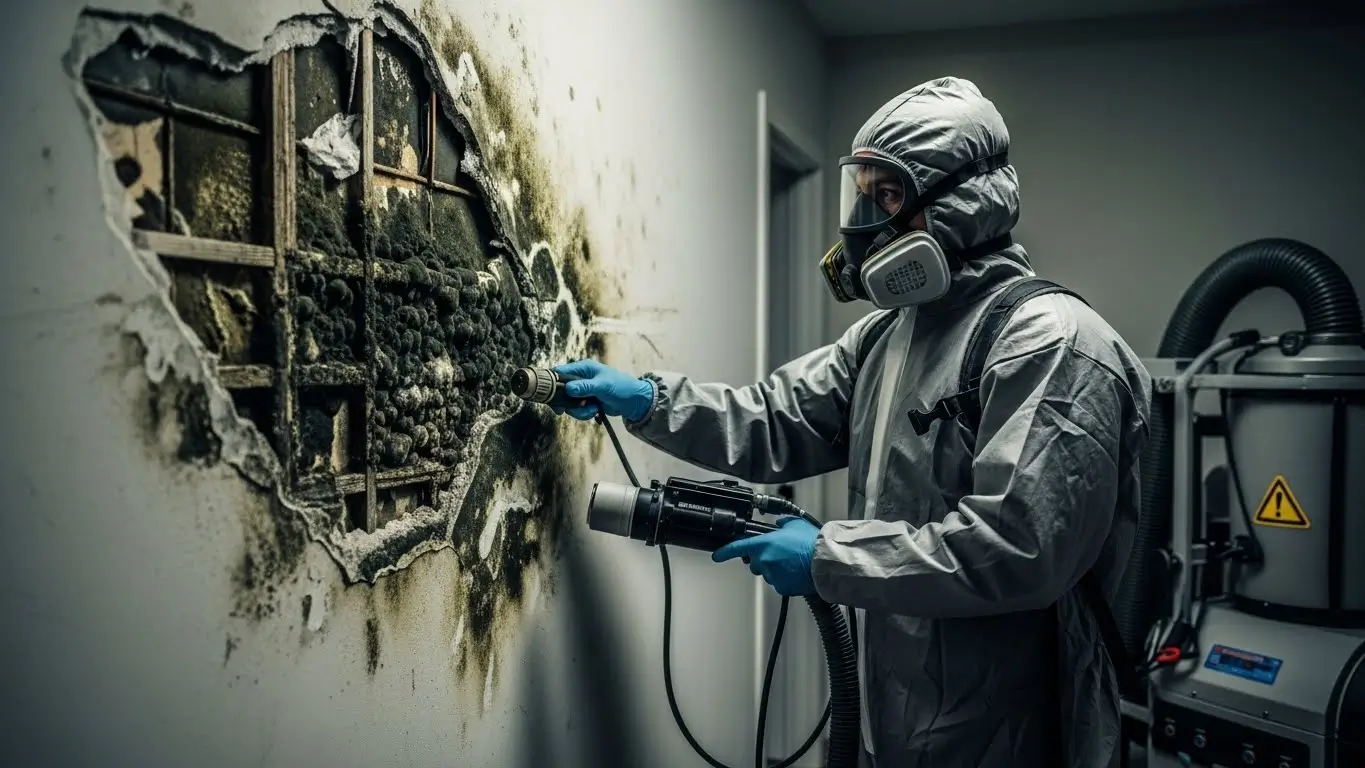
"Black mold" often refers to Stachybotrys chartarum, a greenish-black mold that can grow on materials with high cellulose content, like drywall and wood, that have been water-damaged. While its health risks are often debated, all molds should be treated with caution.
If you find a large patch of black mold, do not attempt DIY removal. Its roots can penetrate deep into structural materials. This is a job for a certified mold remediation professional who has the right training and equipment.
When to Call a Professional Mold Remediation Service
While you can handle small mold spots yourself, some situations require an expert. Call a professional if:
- The moldy area is larger than 10 square feet.
- You suspect mold is growing inside walls, under floors, or in your HVAC system.
- You or your family members are experiencing persistent health symptoms.
- There is significant structural damage from moisture.
Learning how to clean mold safely is a valuable skill for any homeowner. By tackling small spots quickly and taking steps for mold prevention, you can protect your property and your family's health. For larger issues, always rely on a professional to ensure the job is done right.
Schedule Your Indoor Air Quality Check Today
Worried about the air inside your home? Our professional indoor air quality inspections help identify hidden pollutants, allergens, and airflow issues so you can breathe cleaner, healthier air with confidence.