Does Bleach Kill Mold? The Truth Homeowners Need to Know
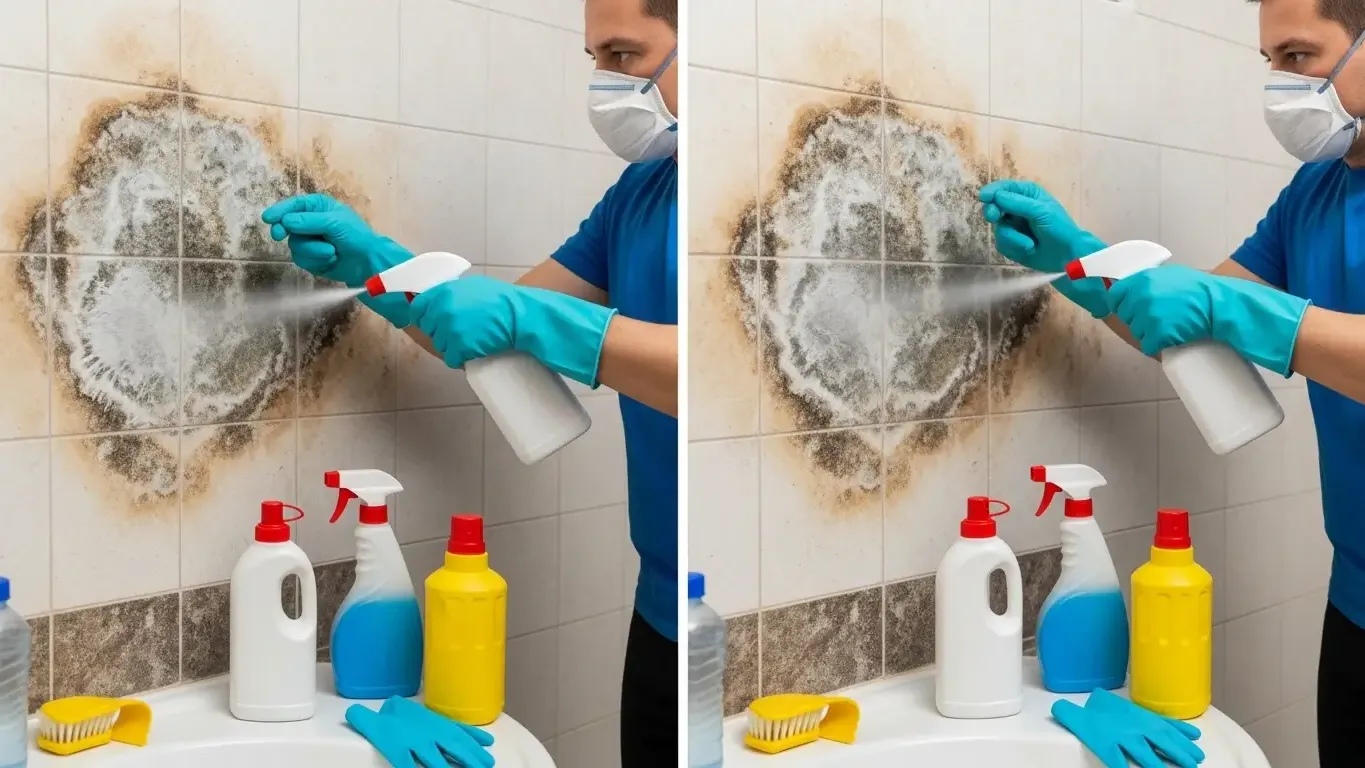
Mar 17, 2026Many homeowners reach for bleach the moment they spot mold but does bleach actually kill mold, or does it just mask the problem? This guide covers everything you need to know about bleach, mold removal, and safer alternatives.
Mold is one of the most common and frustrating problems homeowners face. From bathroom grout to basement walls, mold growth can spread quickly, trigger allergies, and damage your property. Bleach seems like a natural go-to solution. It's cheap, accessible, and has a reputation for killing germs on contact. But when it comes to mold, the reality is more complicated.
In this article, we'll answer the question homeowners keep asking: does bleach kill mold? We'll also explore how bleach interacts with different surfaces, the limitations of using chlorine bleach for mold treatment, and what professional mold remediation experts recommend instead.
What Is Mold and Why Does It Grow?
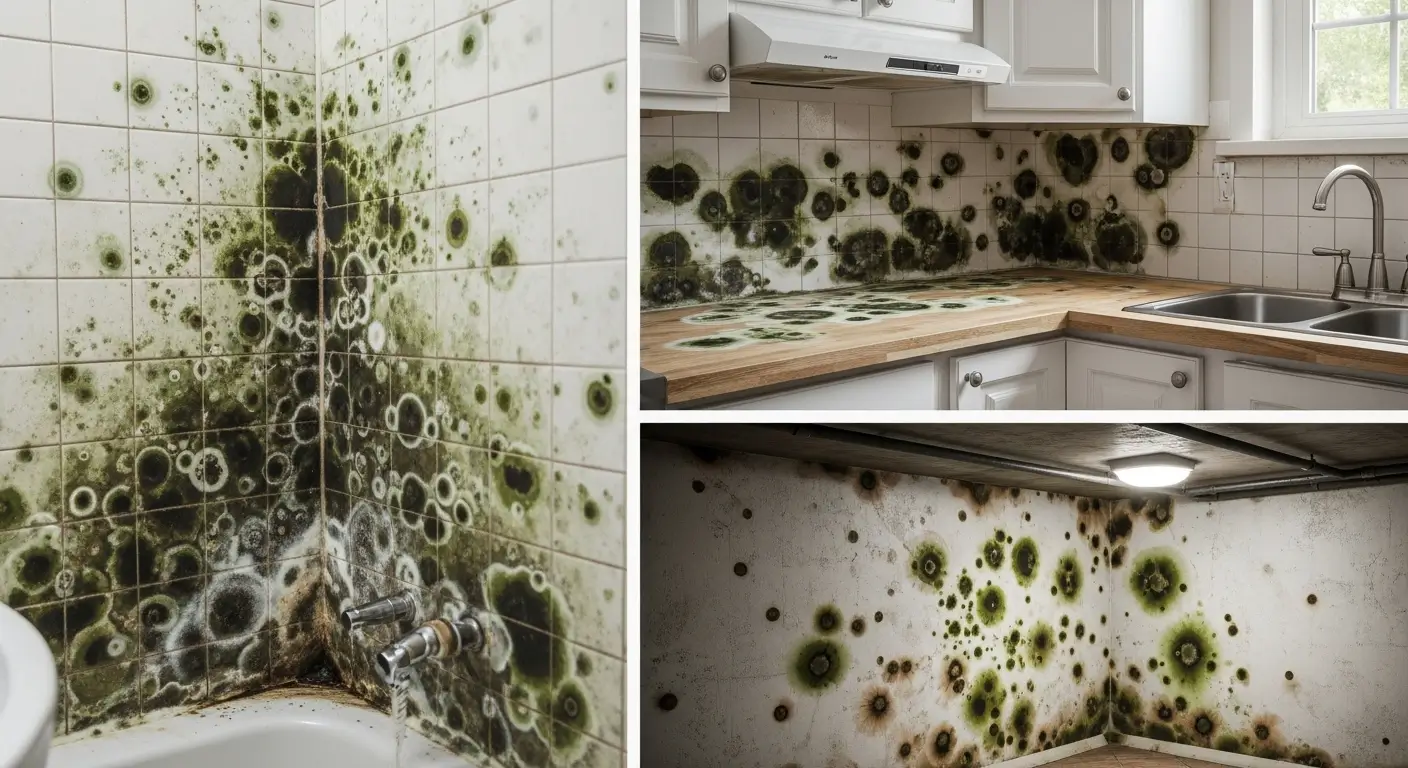
Mold is a type of fungus that thrives in warm, damp, and humid environments. It reproduces by releasing microscopic mold spores into the air, which land on surfaces and germinate when moisture is present. Common mold types found in homes include Cladosporium, Penicillium, Aspergillus, and the notorious black mold (Stachybotrys chartarum).
Mold commonly appears in bathrooms, kitchens, basements, crawl spaces, and anywhere with poor ventilation or water damage. It can grow on porous materials like drywall, wood, and fabric, as well as non-porous surfaces like tile and glass.
Does Bleach Kill Mold? The Short Answer
Yes and no. Bleach specifically chlorine bleach (sodium hypochlorite) can kill mold on non-porous surfaces such as tile, glass, and bathtubs. When applied correctly, it disinfects the surface and destroys the mold's cellular structure on contact.
However, bleach does not kill mold on porous surfaces like wood, drywall, or grout. Here's why: bleach is primarily water-based. When you apply it to a porous material, the water carries the bleach deep into the surface but the chlorine component evaporates before it can penetrate. The bleach removes the surface color of the mold, making it appear gone, but the mold roots (called hyphae) remain alive beneath the surface and will regrow.
Key Takeaway: Bleach Cleans the Surface — It Doesn't Always Kill the Root
This is one of the most important distinctions in mold remediation. A surface that looks clean after bleach treatment may still harbor active mold colonies beneath the material. This is especially dangerous in cases of black mold removal, where deep penetration is critical.
How to Use Bleach on Mold (When It's Appropriate)
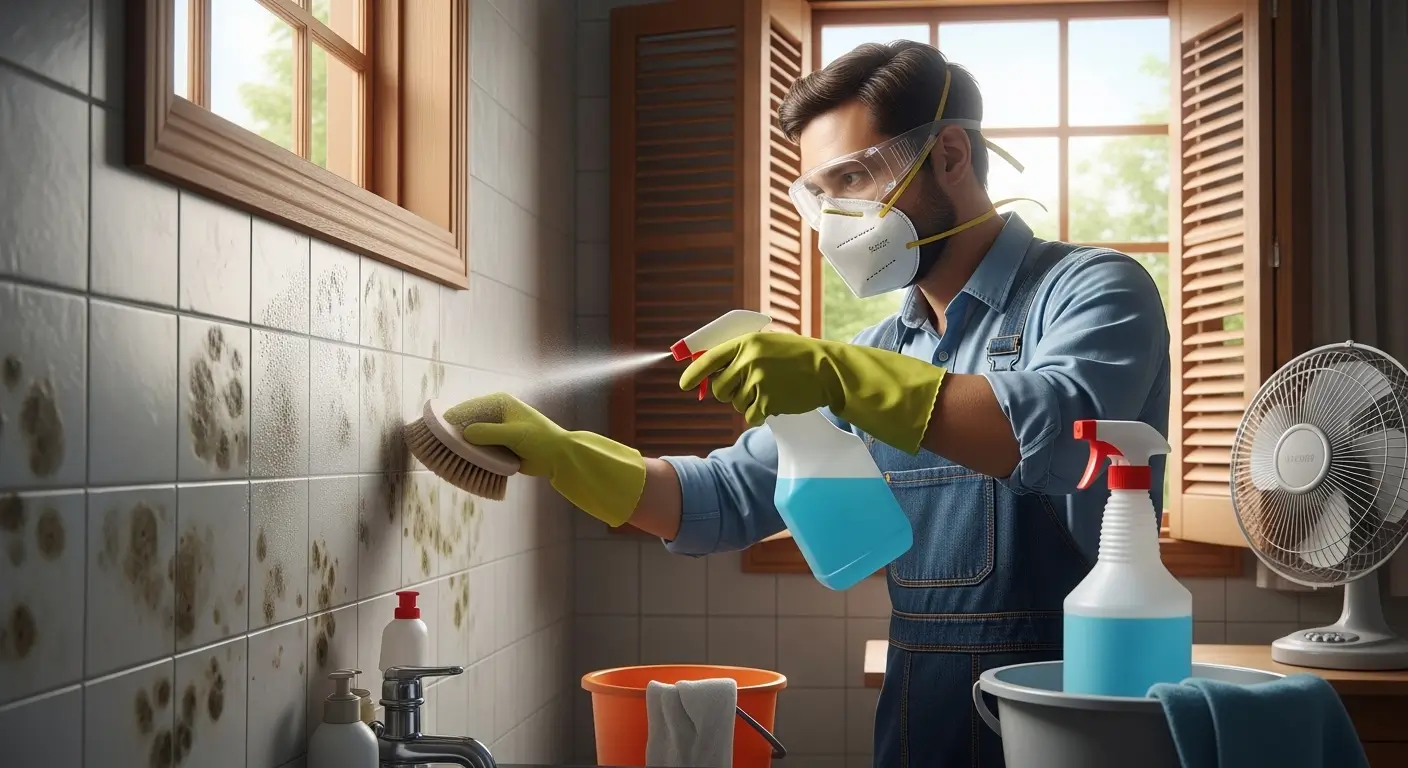
If you're dealing with mold on non-porous surfaces, here's how to safely use bleach for mold removal:
- Mix 1 cup of bleach per gallon of water (a 1:10 ratio)
- Never mix bleach with ammonia or vinegar this creates toxic fumes
- Wear protective gear: gloves, goggles, and a respirator or N95 mask
- Ventilate the area well open windows and use fans
- Apply the bleach solution directly to the moldy surface and let it sit for 10–15 minutes
- Scrub with a stiff brush, then rinse thoroughly and dry completely
Always address the underlying moisture source. Without fixing the root cause, mold will return regardless of your cleaning method.
Bleach vs. Other Mold Removal Methods
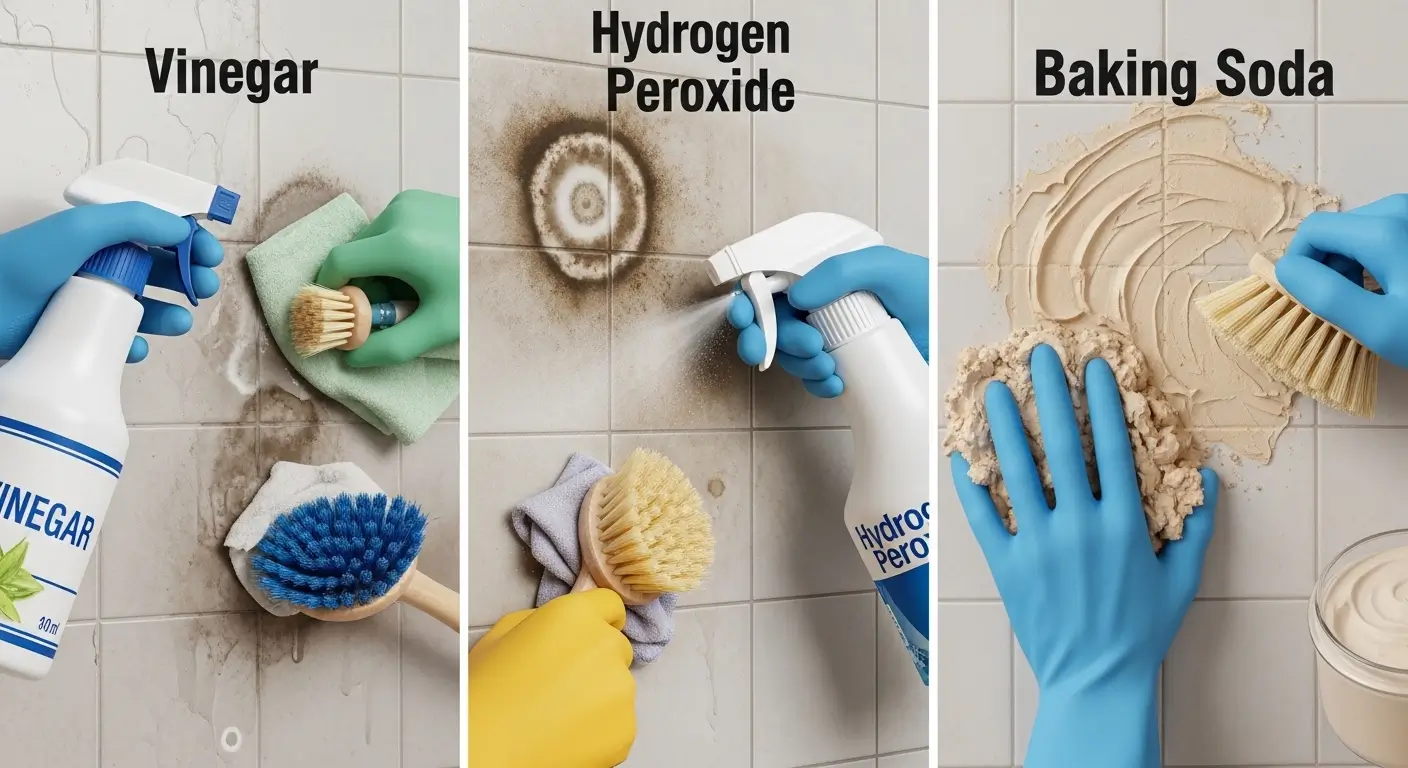
White Vinegar
Undiluted white vinegar (acetic acid) is widely recommended as an effective mold killer on both porous and non-porous surfaces. Studies suggest it can kill up to 82% of mold species. It's non-toxic, environmentally safe, and penetrates deeper than bleach. The downside is the strong odor, which dissipates within a few hours.
Hydrogen Peroxide
A 3% hydrogen peroxide solution is an antifungal, antibacterial agent that works well on mold. It's effective on porous surfaces, breaks down into water and oxygen, and is generally safer to use than bleach. Spray it on the affected area, wait 10 minutes, scrub, and wipe clean.
Baking Soda
Baking soda (sodium bicarbonate) is a mild, natural mold killer and deodorizer. Mix a quarter tablespoon with water, apply to the moldy surface, scrub, and rinse. It's safe for use around children and pets, and also helps absorb moisture to prevent future mold growth.
When to Call a Professional Mold Remediation Service
DIY mold removal using bleach or natural alternatives is suitable for small, surface-level infestations under 10 square feet. However, you should contact a certified mold remediation specialist in the following situations:
- Mold covers a large area or has penetrated deep into walls or flooring
- You suspect toxic black mold (Stachybotrys) call a pro before disturbing it
- Household members are experiencing mold-related health issues like respiratory problems, chronic coughing, or allergic reactions
- Mold keeps returning despite repeated treatments
Professional mold inspection includes air quality testing, thermal imaging, and moisture mapping tools no DIY kit can replicate.
Preventing Mold Growth: Long-Term Solutions
The best mold treatment is prevention. Here are proven strategies to stop mold before it starts:
- Keep indoor humidity below 50% using dehumidifiers or air conditioning
- Fix water leaks, dripping pipes, and roof damage promptly
- Use exhaust fans in bathrooms and kitchens to reduce moisture
- Ensure proper ventilation in attics, basements, and crawl spaces
- Dry wet surfaces and materials within 24–48 hours to prevent mold colonization
Final Verdict: Should You Use Bleach for Mold?
Bleach can be a useful tool for killing mold on hard, non-porous surfaces like tile and glass. But it's not a one-size-fits-all solution. On porous surfaces the most common places mold grows bleach fails to penetrate deep enough to eliminate the mold at its roots.
For a more complete mold removal strategy, consider combining bleach (for surface disinfection) with vinegar or hydrogen peroxide (for deeper penetration). And always remember: removing visible mold without addressing the moisture source is only a temporary fix.
When in double especially with black mold or large-scale infestations call a licensed mold remediation professional. Your health and the structural integrity of your home are worth it.
Schedule Your Indoor Air Quality Check Today
Worried about the air inside your home? Our professional indoor air quality inspections help identify hidden pollutants, allergens, and airflow issues so you can breathe cleaner, healthier air with confidence.