
What Does Black Mold Smell Like? A Complete Guide
Apr 28, 2026Have you ever walked into a room and noticed something smells off? Not quite anything you can put your finger on just stale, damp, and unpleasant. That nagging odor might not be an old towel or yesterday's leftovers. It could be black mold quietly growing somewhere in your home.
Most people know to look for dark fuzzy spots on walls, but far fewer realize that your nose can detect black mold before your eyes ever do. In this guide, we'll explain exactly what black mold smells like, why it produces that odor, where it hides, and what to do about it.
What Is Black Mold?
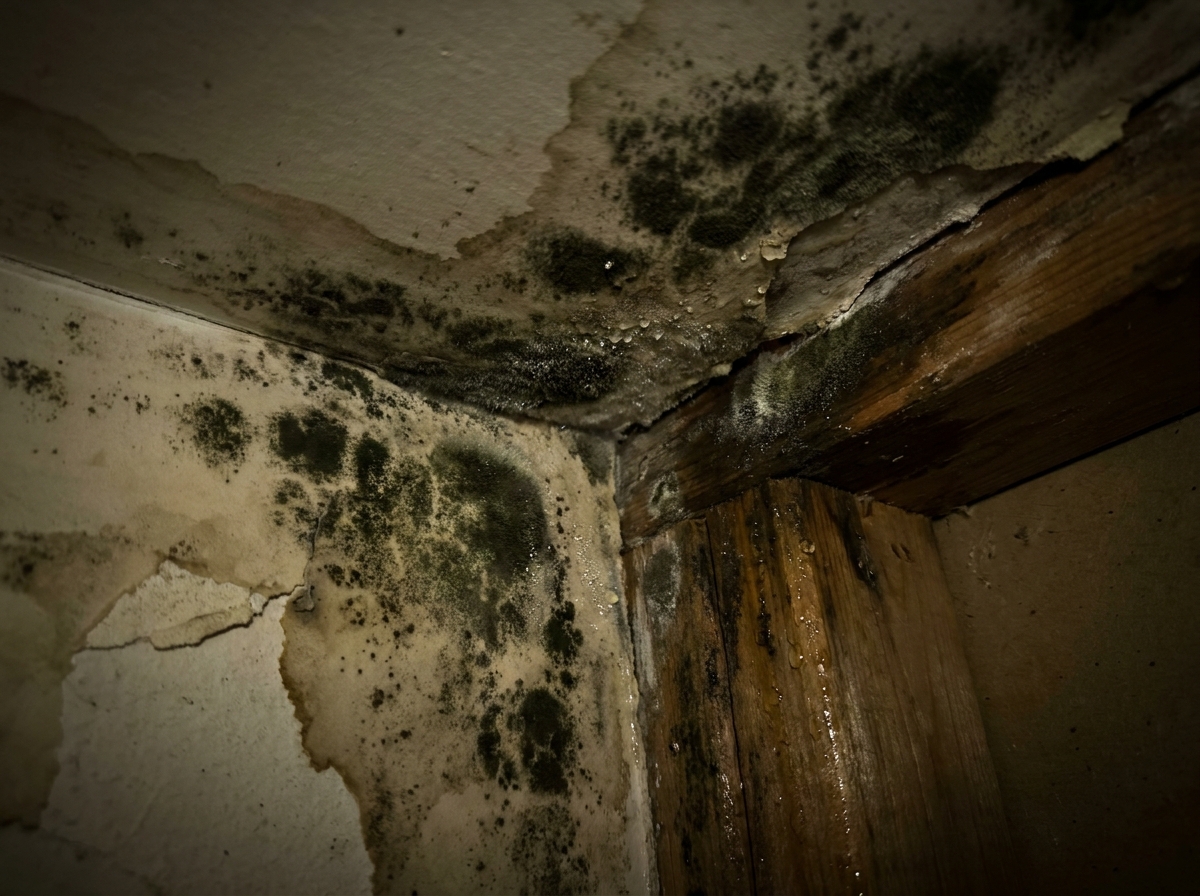
Black mold scientifically known as Stachybotrys chartarum is a toxic mold that thrives in damp, poorly ventilated spaces. It grows on cellulose-rich materials like drywall, wood, and cardboard, and can begin spreading on a damp surface in as little as 24 to 48 hours. It produces harmful substances called mycotoxins that can seriously affect your health over time.
What Does Black Mold Smell Like?
Black mold has a very distinct, hard-to-ignore odor. The most common description is musty, earthy, and stale, similar to an old damp basement or wet towels left too long in the wash. Most people compare it to:
- Wet, sweaty socks
- Rotting wood or decaying leaves
- Damp cardboard or old books
- Dirt after heavy rain
The smell is persistent and pervasive. Unlike ordinary household odors, it doesn't fade when you air the room out; it always comes back because the living mold colony is still there.
The Science Behind the Smell
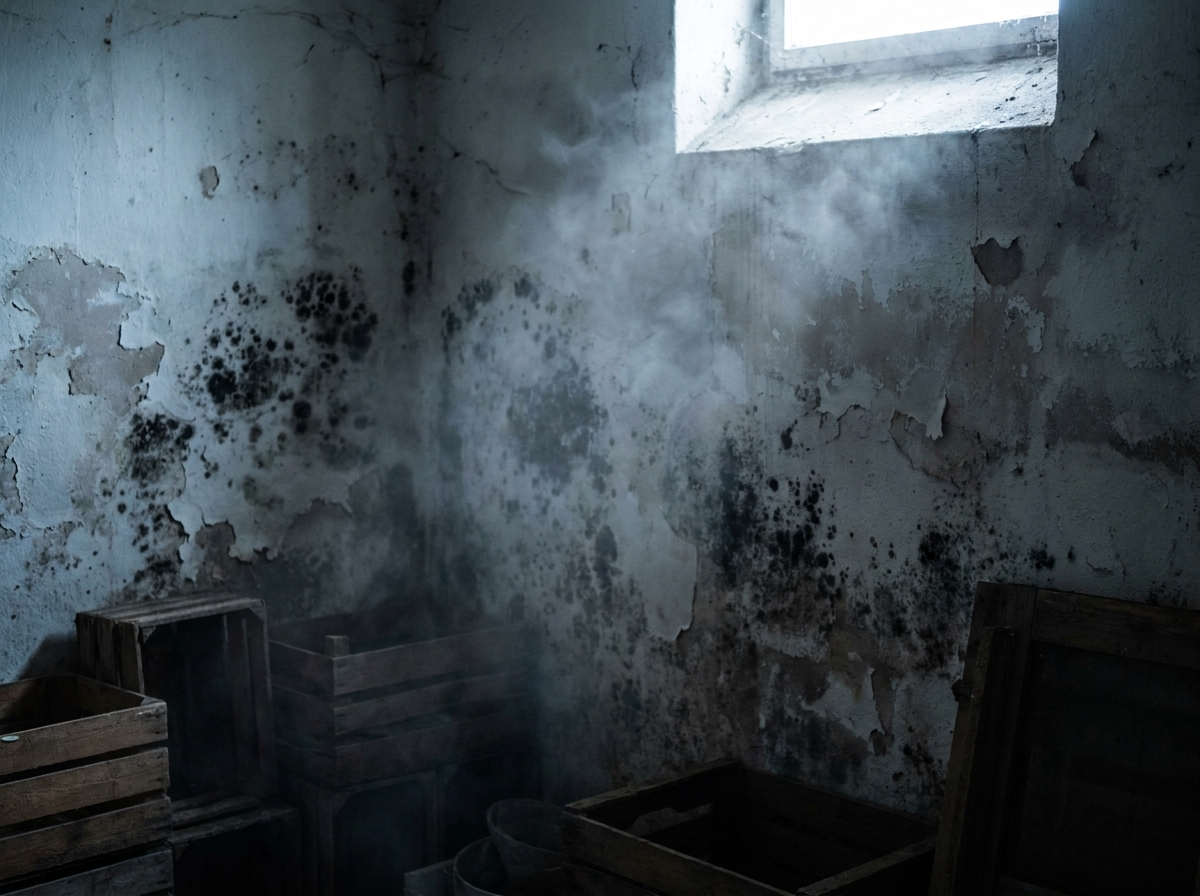
Black mold releases gases called Microbial Volatile Organic Compounds (MVOCs) as it feeds and reproduces. These gases travel freely through air, which is why you can smell mold long before you see it. The stronger the odor, the more actively the colony is growing meaning spores and mycotoxins are already circulating through your indoor air.
Where Is the Smell Coming From?
Mold often hides in places you can't easily see. The odor can drift far from the actual source, making it hard to locate. Common hiding spots include:
- Inside walls and behind drywall smell travels through gaps into nearby rooms
- Under floors and carpets moisture trapped beneath creates ideal conditions
- Basements and crawl spaces high moisture, low ventilation
- Under sinks and behind toilets plumbing areas with frequent moisture exposure
- HVAC ducts if the smell intensifies when your heating or AC runs, this is a serious red flag
Health Risks You Shouldn't Ignore
By the time you can smell black mold, spores are already in your air and in your lungs. Exposure can cause:
Respiratory issues coughing, wheezing, worsening asthma, nasal congestion
Neurological symptoms headaches, dizziness, difficulty concentrating, brain fog
Other effects chronic fatigue, skin irritation, gastrointestinal distress
Children, the elderly, and anyone with a weakened immune system face the greatest risk. A strong warning sign: if household members feel better when they leave home but symptoms return when they come back, mold may be the cause.
What to Do If You Smell Black Mold
Step 1 - Don't ignore it. Airing out the room only masks the odor temporarily. The source is still there and growing.
Step 2 - Find the moisture source. Mold can't survive without water. Check for leaky pipes, water-damaged walls, condensation buildup, or past flooding.
Step 3 - Small area? Clean it yourself. For patches under 10 square feet, scrub with a white vinegar and water solution, let it sit for 30–60 minutes, then disinfect with hydrogen peroxide. Always wear gloves and a mask. Never mix bleach with ammonia.
Step 4 - Large area? Call a professional. The EPA recommends licensed mold remediation for anything over 10 square feet, or for mold hidden inside walls or HVAC systems.
How to Prevent Black Mold
- Keep indoor humidity below 50% with a dehumidifier
- Fix leaks and water damage within 24–48 hours
- Use exhaust fans in bathrooms and kitchens
- Inspect high-risk areas (under sinks, basements) every few months
The Bottom Line
That persistent musty, earthy smell is your home sending you a warning. Don't get used to it, investigate, test, and act. The sooner you address black mold, the easier and less costly it is to eliminate.
Schedule Your Indoor Air Quality Check Today
Worried about the air inside your home? Our professional indoor air quality inspections help identify hidden pollutants, allergens, and airflow issues so you can breathe cleaner, healthier air with confidence.