10 Warning Signs of Mold Toxicity: Is Your Home Making You Sick?
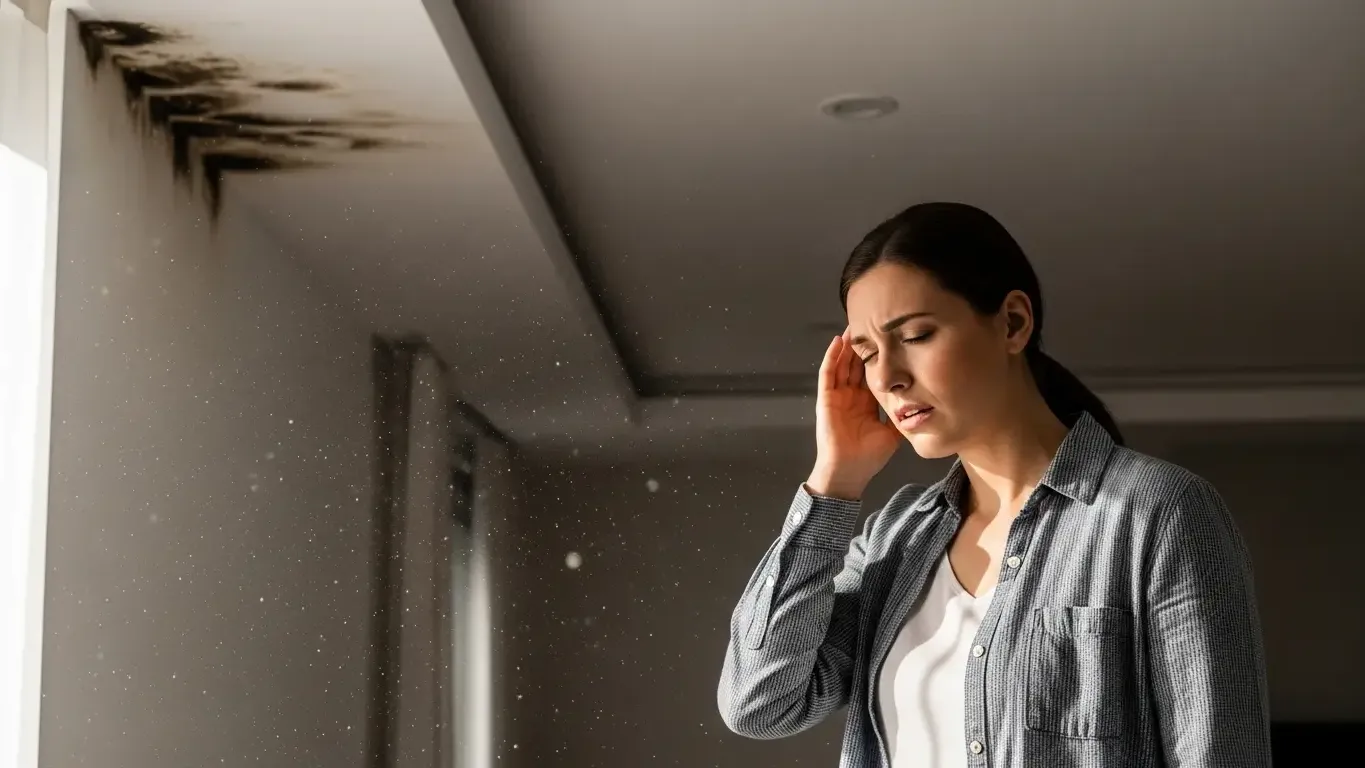
Feb 18, 2026Did you know that approximately 70% of homes have mold lurking somewhere within their walls? Even more alarming, many homeowners remain completely unaware of its presence until health problems begin surfacing. Mold toxicity affects millions of people worldwide, yet it frequently goes undiagnosed because its symptoms mimic numerous other conditions.
If you've been experiencing mysterious health issues that doctors can't quite explain, mold exposure might be the hidden culprit. In this comprehensive guide, we'll explore the ten warning signs of mold toxicity that every homeowner should recognize.
What is Mold Toxicity?
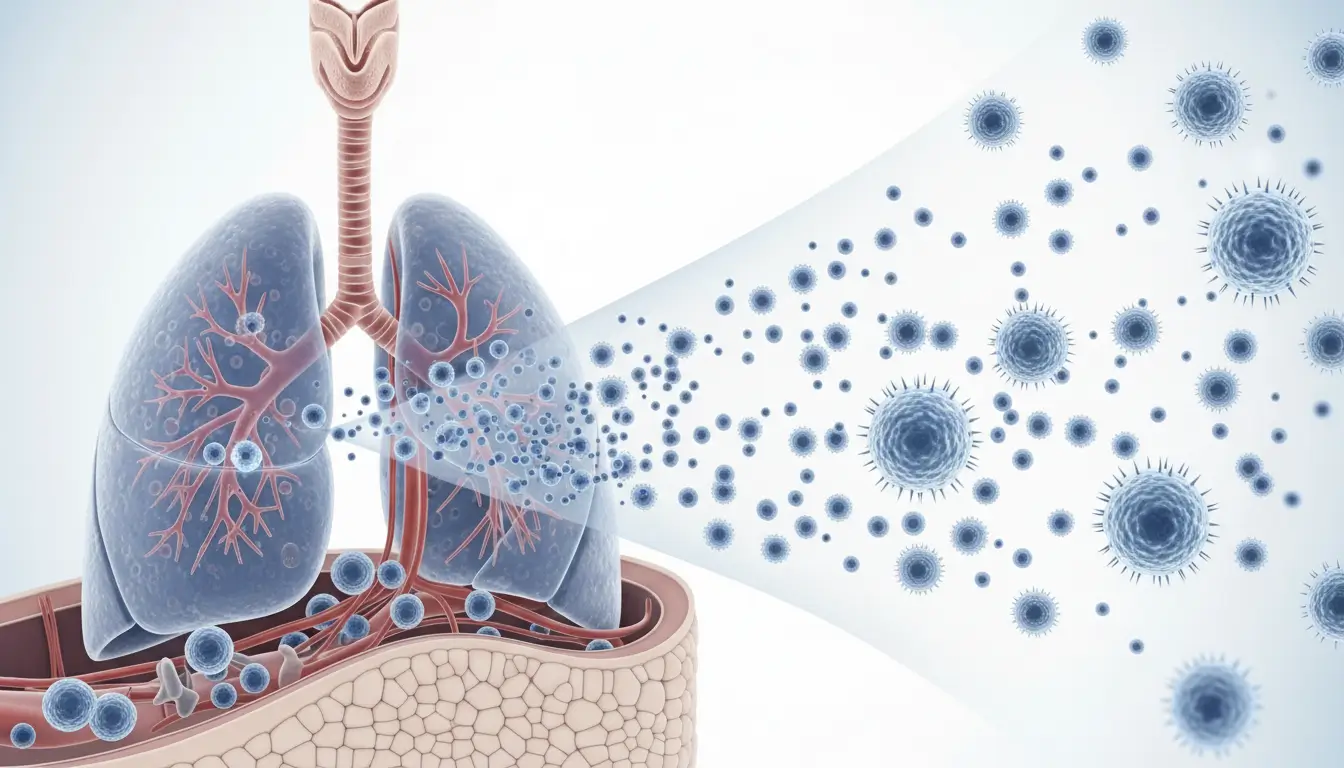
Mold toxicity, also known as mycotoxin poisoning, occurs when you're exposed to harmful substances produced by certain mold species. These microscopic toxins enter your body through inhalation, skin contact, or accidental ingestion. Once inside, they can trigger a cascade of health problems affecting multiple body systems.
Certain individuals face higher risks than others. Children, elderly adults, and people with compromised immune systems are particularly vulnerable. Additionally, those with pre-existing respiratory conditions often experience more severe reactions. Understanding the connection between indoor air quality and mold exposure is crucial for protecting your family's health.
The 10 Warning Signs of Mold Toxicity
1. Respiratory Issues
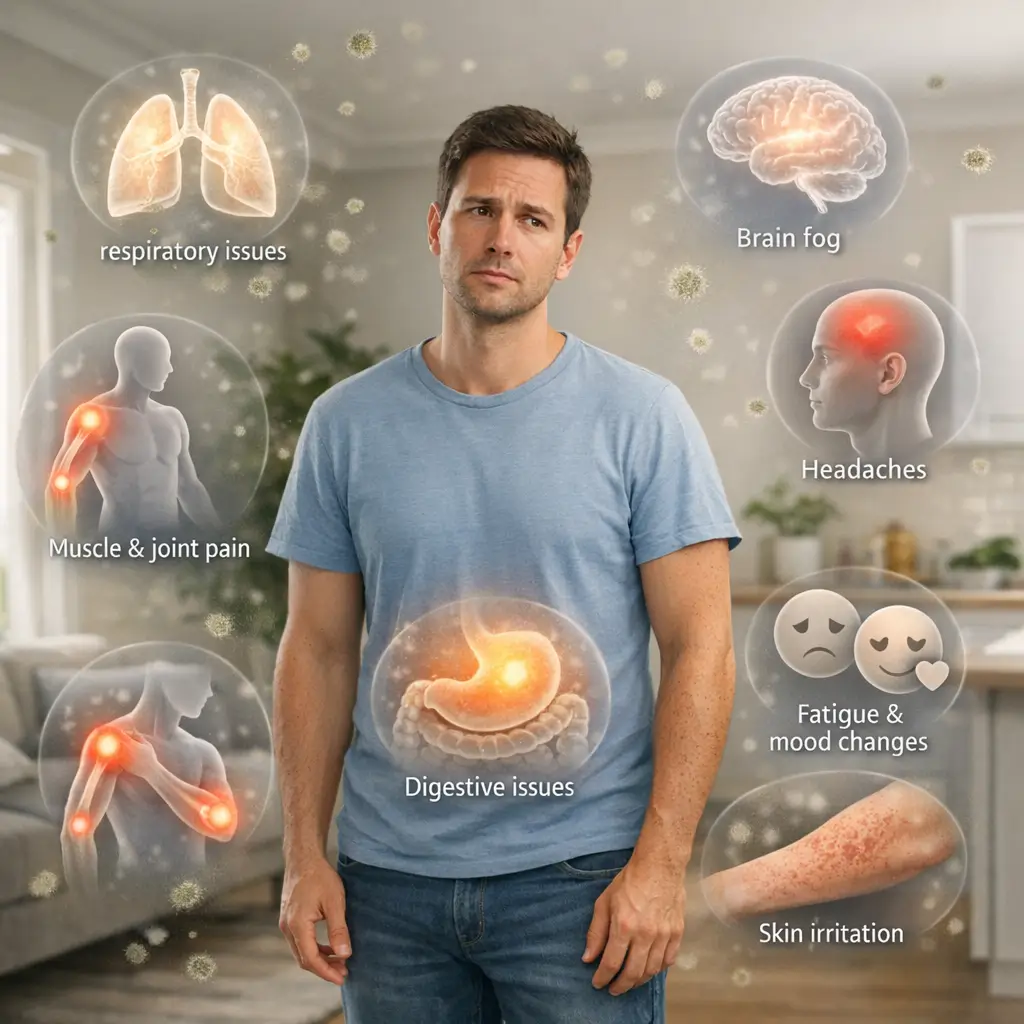
Respiratory problems represent the most common sign of mold exposure. You might experience persistent coughing, wheezing, or shortness of breath that doesn't respond to typical treatments. Furthermore, if you have asthma, you may notice your symptoms worsening significantly without any apparent reason.
2. Chronic Fatigue
Feeling exhausted despite getting adequate sleep? Mold toxicity often causes unexplained fatigue that simply won't go away. This overwhelming tiredness differs from normal tiredness because rest doesn't provide relief. Many sufferers describe feeling completely drained throughout the entire day.
3. Cognitive Problems ("Brain Fog")
Perhaps one of the most frustrating symptoms involves cognitive difficulties commonly called "brain fog." You might struggle to concentrate on simple tasks or experience memory lapses. Some people report feeling confused or disoriented, making daily activities challenging to complete.
4. Sinus and Nasal Congestion
Chronic sinusitis and persistent nasal congestion frequently indicate mold exposure. Your nose might constantly feel stuffy or runny. Additionally, post-nasal drip often accompanies these symptoms, causing throat irritation and discomfort that antibiotics fail to resolve.
5. Skin Irritations
Your skin can react dramatically to mold toxins. Unexplained rashes, hives, or persistent itchiness might appear without any obvious cause. People with existing skin conditions like dermatitis often experience significant flare-ups when exposed to mold.
6. Headaches and Migraines
Frequent headaches that seem to have no trigger could signal mold problems in your environment. Many individuals notice increased migraine frequency or intensity. These headaches often occur specifically when spending time in mold-affected areas.
7. Joint and Muscle Pain
Mold toxicity can cause unexplained aches throughout your body. You might experience joint stiffness without any physical injury or strain. Some sufferers develop fibromyalgia-like symptoms, including widespread pain and tenderness that conventional treatments don't address effectively.
8. Digestive Issues
Your gut health can suffer significantly from mold exposure. Nausea, appetite changes, and bloating commonly occur. Some people experience abdominal pain or diarrhea that persists despite dietary modifications and medical interventions.
9. Sensitivity to Light and Sound
Heightened sensory sensitivity often accompanies mold toxicity. Bright lights might suddenly feel unbearable, or normal sounds might seem overwhelmingly loud. Eye irritation, watering, and redness frequently occur alongside these sensitivities.
10. Mood Changes and Depression
Finally, mold exposure can significantly impact your mental health. Unexplained anxiety, irritability, and mood swings might develop seemingly out of nowhere. Some individuals experience depression symptoms that don't respond to traditional treatments.
When to Suspect Mold Toxicity
Consider mold as a potential cause if your symptoms improve when you leave your home and worsen upon returning. Multiple family members experiencing similar health issues simultaneously raises additional red flags. Recent water damage, musty odors, or visible mold growth should immediately prompt investigation.
What to Do If You Suspect Mold Toxicity

First, consult a healthcare professional familiar with environmental illness. Next, arrange professional mold testing for your home. If mold is discovered, hire certified remediation services to address the problem safely. Finally, improve your indoor air quality using air purifiers and dehumidifiers to prevent future issues.
Prevention Tips
Preventing mold growth requires ongoing vigilance. Maintain indoor humidity levels between 30-50% using dehumidifiers when necessary. Fix any leaks immediately, regardless of how minor they appear. Ensure proper ventilation throughout your home, especially in bathrooms and kitchens. Schedule regular HVAC maintenance and consider using mold-resistant building materials.
Conclusion
Recognizing these ten warning signs of mold toxicity could save you from years of unexplained suffering. Don't ignore persistent symptoms that seem to defy explanation. Your home should be a sanctuary, not a source of illness.
Take action today by assessing your home's indoor air quality. Contact our team at IAQAnswers.com for professional guidance and testing services. Your health and your family's wellbeing depend on breathing clean, mold-free air.
Schedule Your Indoor Air Quality Check Today
Worried about the air inside your home? Our professional indoor air quality inspections help identify hidden pollutants, allergens, and airflow issues so you can breathe cleaner, healthier air with confidence.