How Mold Affects Children, Pets, and Elderly Family Members
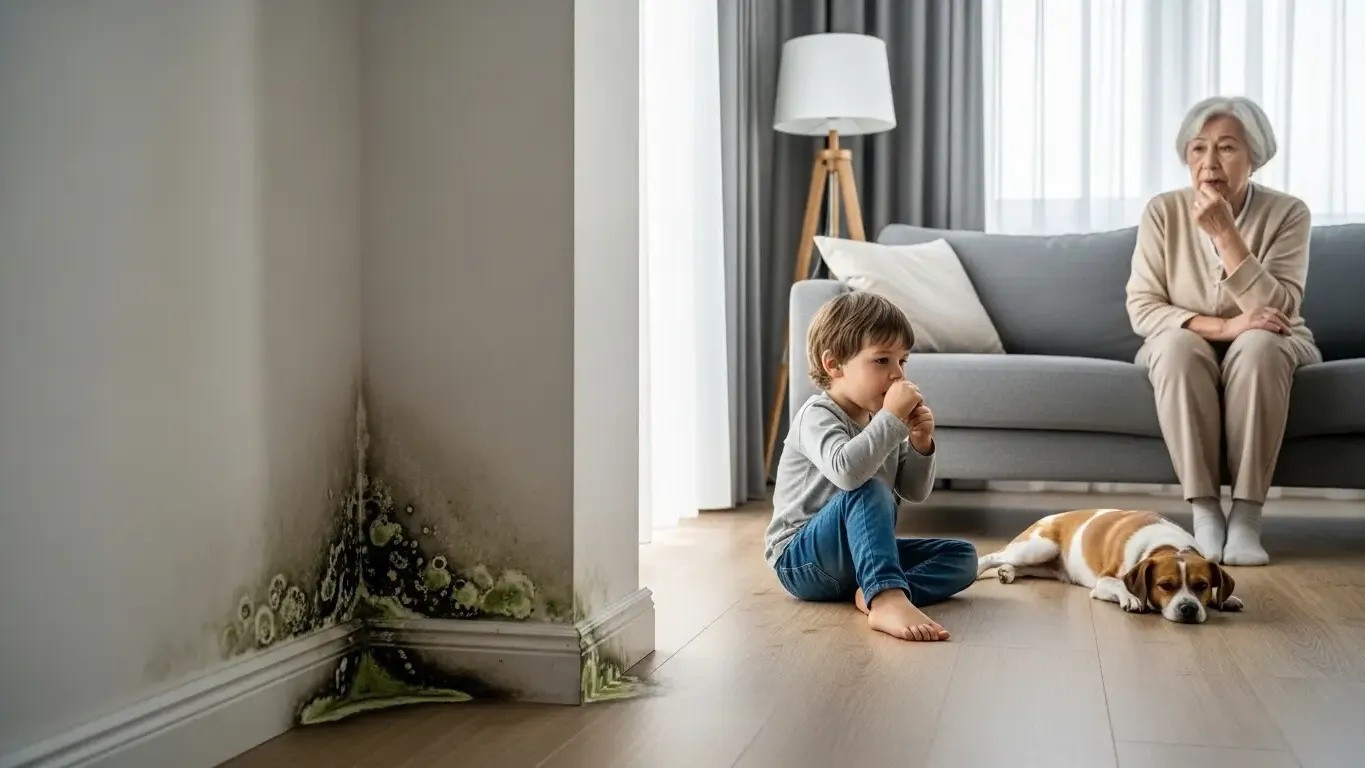
Feb 12, 2026Mold is more than just an unsightly problem in your home. According to the Environmental Protection Agency, mold exposure can cause serious health issues, especially for vulnerable family members. Children, pets, and elderly individuals face significantly higher risks when exposed to mold spores. Their developing or weakened immune systems make them more susceptible to mold-related illnesses. In this article, we will explore how mold affects each group and what you can do to protect your loved ones.
Why Are These Groups More Vulnerable to Mold?
Understanding why certain family members face greater risks helps us protect them better. Children have developing immune systems that cannot fight off mold spores effectively. Pets spend most of their time closer to the ground where mold commonly grows. Elderly family members often have weakened immunity and pre-existing health conditions.
Additionally, young children and pets cannot clearly communicate their symptoms. This makes early detection more challenging for caregivers. Seniors may dismiss their symptoms as normal aging signs. All three groups typically spend more time indoors, increasing their exposure duration to harmful mold spores.
How Mold Affects Children

Children are particularly vulnerable to mold exposure due to their still-developing respiratory and immune systems. Their smaller lungs breathe in more air relative to body size, meaning they inhale more mold spores than adults in the same environment.
Physical Health Effects
Respiratory issues are the most common problems children experience from mold exposure. These include persistent coughing, wheezing, and difficulty breathing. Many children develop or experience worsened asthma symptoms when living in moldy environments. Allergic reactions such as skin rashes, itchy eyes, and runny noses are also frequently reported.
Long-Term Concerns

Research shows that early mold exposure can lead to chronic respiratory conditions. Children exposed to mold during their first years may develop asthma that persists into adulthood. Their lung development can be permanently affected, leading to reduced lung capacity later in life.
Warning Signs in Children
Parents should watch for several warning signs. Persistent coughing that worsens at home but improves elsewhere indicates possible mold exposure. Frequent upper respiratory infections, sleep disturbances, and unexplained allergy symptoms are also red flags. If your child seems healthier during vacations or at school, mold in your home could be the culprit.
How Mold Affects Pets
Our furry family members face unique risks from mold exposure. They often go undiagnosed because pet owners may not connect their symptoms to environmental factors.
Symptoms in Dogs

Dogs exposed to mold often display excessive scratching and licking. They may experience respiratory distress including wheezing and coughing. Lethargy, loss of appetite, and general weakness are common signs. Watch for runny nose and watery eyes that persist without other illness.
Symptoms in Cats
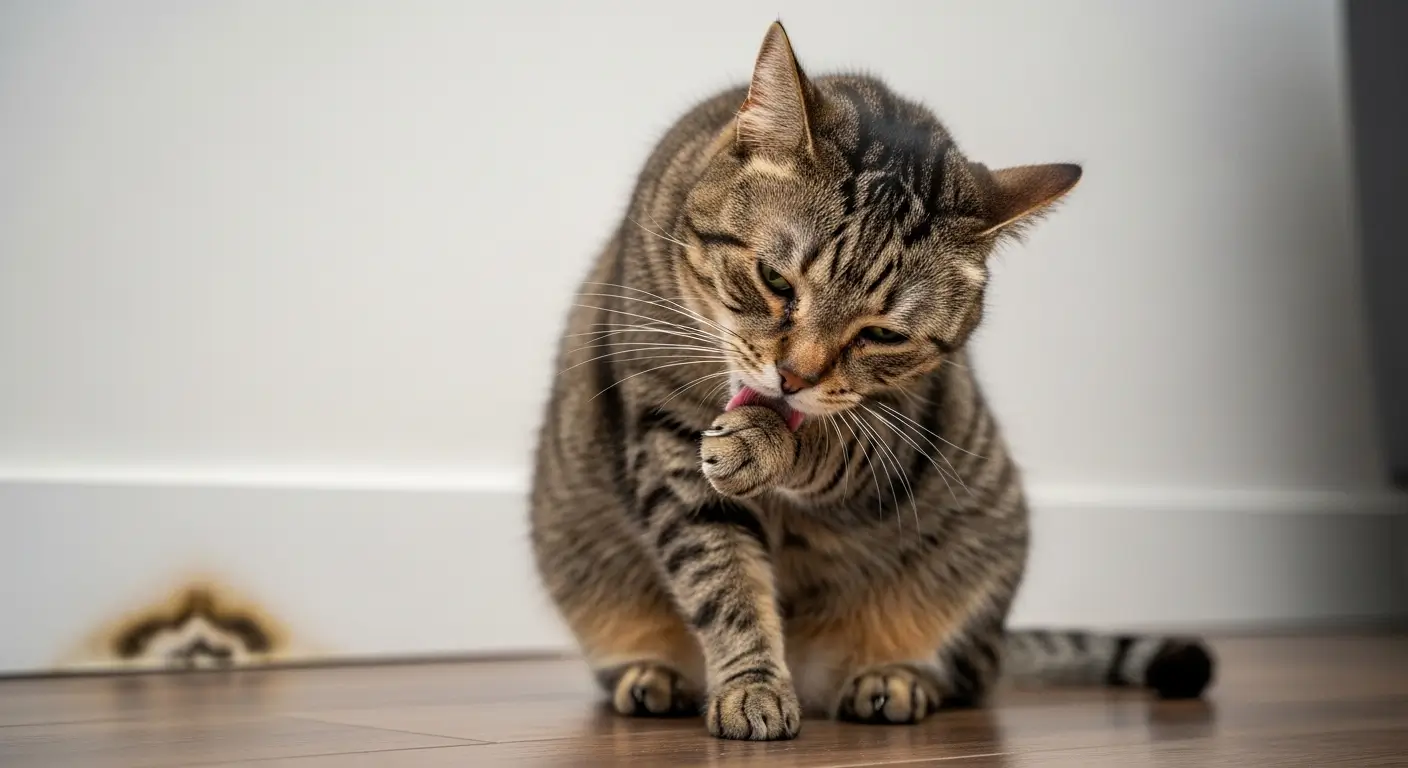
Cats typically respond to mold with excessive grooming behaviors. They may develop breathing difficulties and chronic sneezing. Skin irritation leading to hair loss is another common symptom. Nasal discharge that does not clear up should raise concerns about mold exposure.
Why Pets Face Unique Risks
Pets face heightened risks because they live closer to ground level. Mold commonly grows in carpets, baseboards, and floor-level areas where pets rest. They may also ingest mold spores while exploring or grooming themselves. Additionally, birds and small animals like hamsters are extremely sensitive to airborne mold spores.
How Mold Affects Elderly Family Members
Seniors face some of the most serious health risks from mold exposure. Age-related immune system decline makes fighting off mold-related infections increasingly difficult.
Why Seniors Face Greater Risks
Natural immune system weakening occurs as we age. Many elderly individuals have pre-existing conditions like COPD, diabetes, or heart disease. Certain medications further suppress immune response, leaving seniors more vulnerable to mold exposure.
Health Effects on Seniors

Respiratory complications are often severe in elderly individuals. Existing lung conditions can worsen dramatically with mold exposure. Seniors face increased infection risks including pneumonia and bronchitis. Emerging research also suggests connections between mold exposure and cognitive decline. Many seniors report increased joint pain and fatigue in moldy environments.
Serious Complications
Mold exposure can lead to hospital admissions for elderly family members. Respiratory failure is a real risk for those with compromised lung function. Overall health can decline rapidly when seniors live in mold-contaminated environments.
Protecting Your Vulnerable Family Members
Prevention is the best protection strategy. Keep indoor humidity levels below 50 percent using dehumidifiers. Fix water leaks immediately before mold can develop. Ensure proper ventilation in bathrooms, kitchens, and basements. Consider using air purifiers with HEPA filters to remove airborne spores.
If you suspect mold exposure, consult healthcare providers for affected family members. Document any health changes for medical records. Most importantly, schedule a professional mold inspection to identify hidden problems.
When to Seek Professional Help
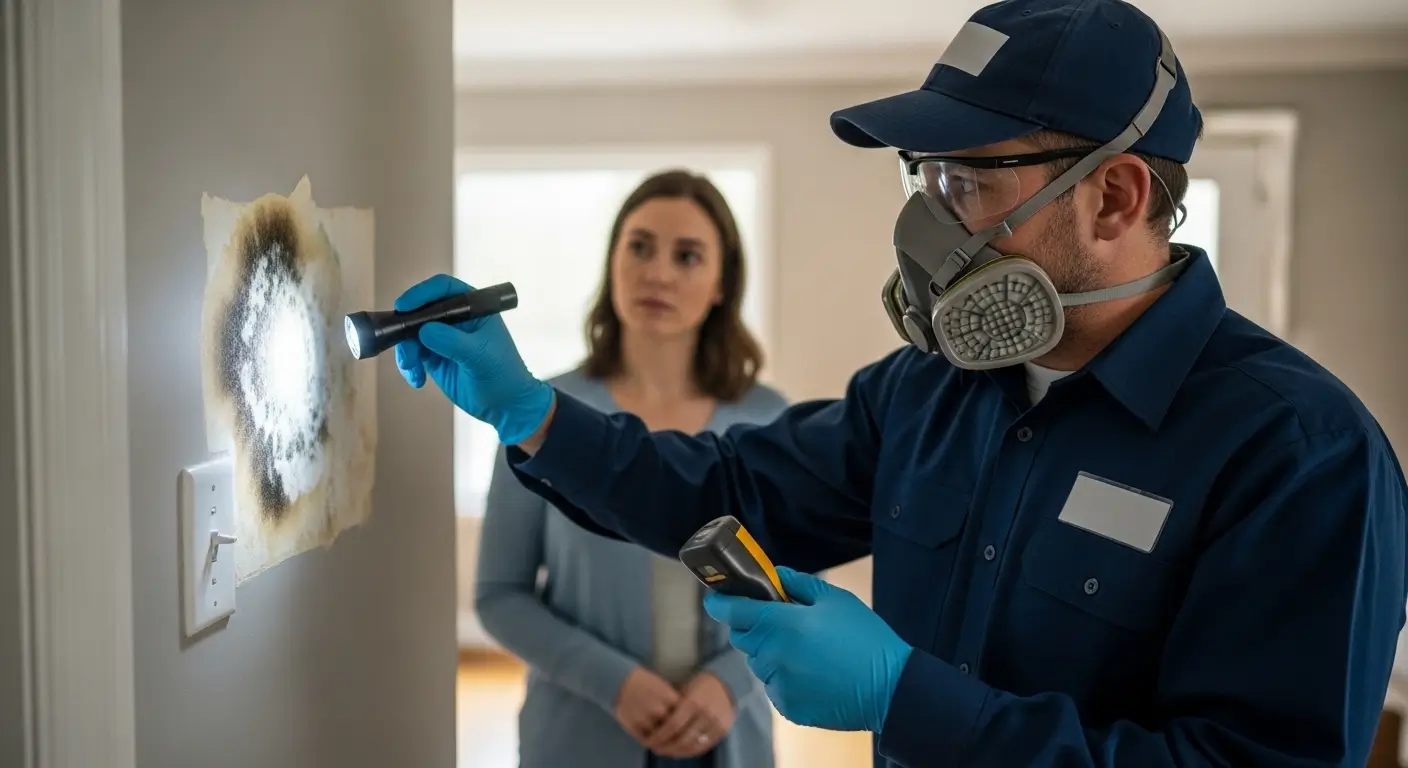
Contact a professional mold inspector when you notice visible mold growth larger than 10 square feet. Persistent musty odors indicate hidden mold problems. If family members show unexplained symptoms that improve away from home, mold could be responsible. Any recent water damage or flooding warrants professional assessment.
Conclusion
Children, pets, and elderly family members deserve protection from harmful mold exposure. Their vulnerable immune systems make them more susceptible to serious health complications. Early detection through professional mold inspection can prevent long-term health problems. Do not wait until symptoms become severe. If you suspect mold in your home, take action today to protect your loved ones. Contact a certified mold inspector to ensure your home remains a safe haven for every family member.
Schedule Your Indoor Air Quality Check Today
Worried about the air inside your home? Our professional indoor air quality inspections help identify hidden pollutants, allergens, and airflow issues so you can breathe cleaner, healthier air with confidence.