
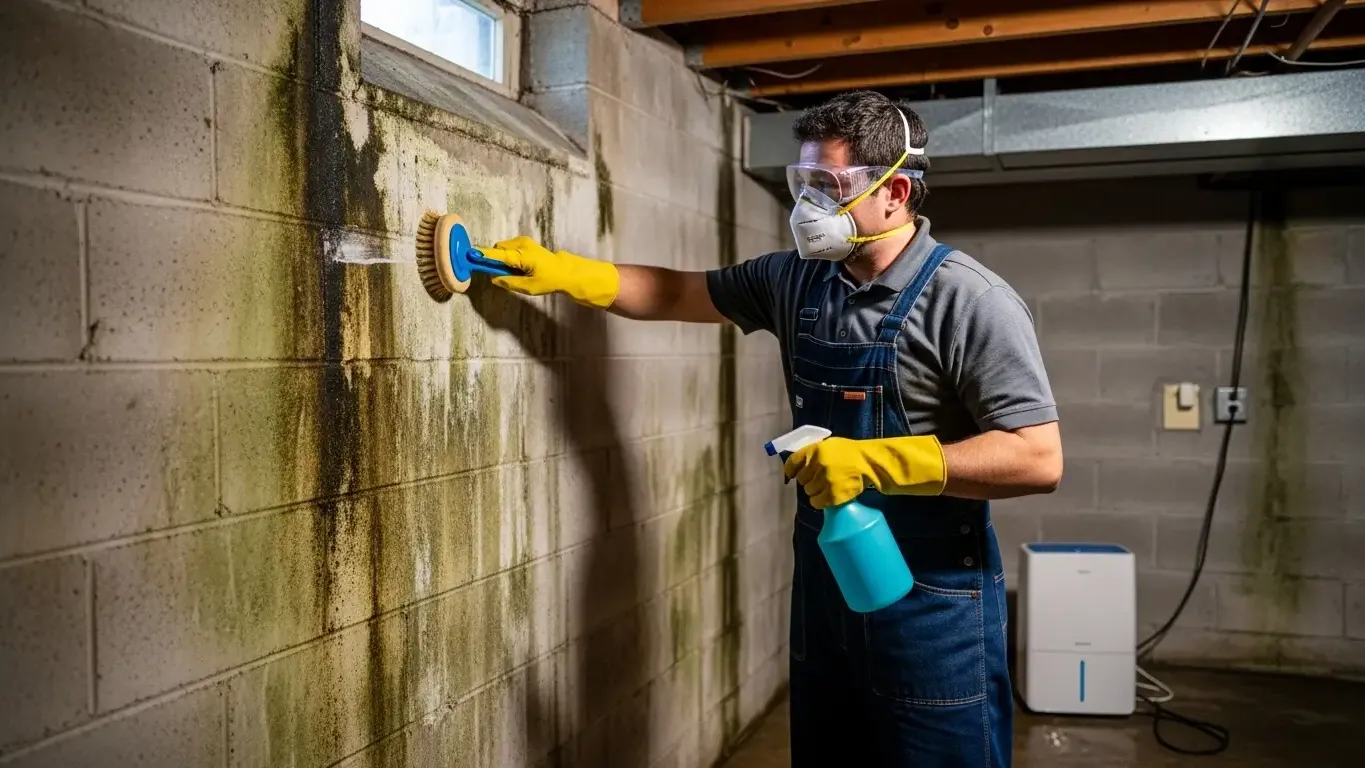
How to Remove Mold from Your Basement: A Step-by-Step Guide
Mar 15, 2026You head down to the basement and notice a musty smell. Maybe there are dark, fuzzy patches spreading across your walls. Sound familiar? You are dealing with basement mold and you are not alone. Mold thrives in dark, damp spaces, and basements are the perfect breeding ground.
Left untreated, basement mold can trigger respiratory issues, allergies, and even structural damage to your home. The good news? Most basement mold removal can be handled yourself without calling a professional if you act fast.
In this guide, we will walk you through everything you need to know: what causes mold, how to safely remove it, and how to prevent it from ever coming back.
What Causes Mold in Basements?
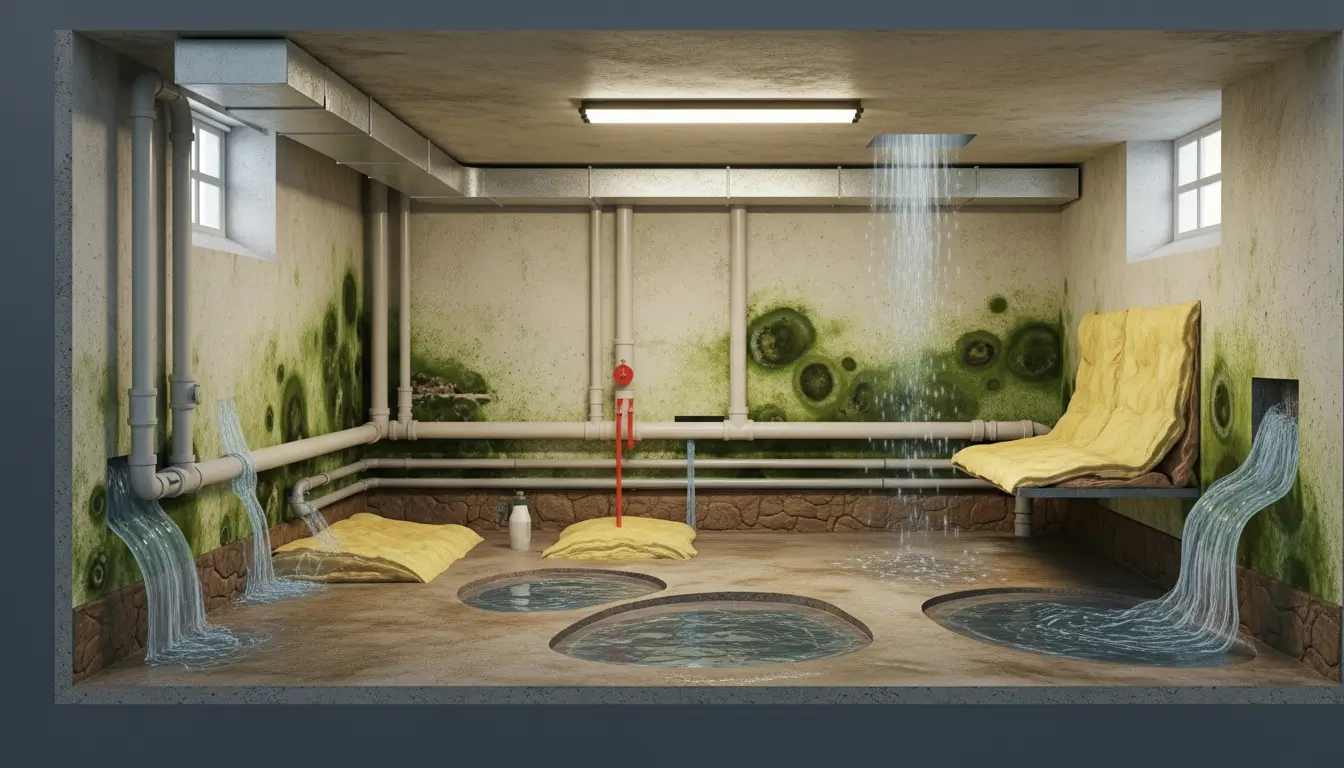
Mold spores are everywhere they float invisibly through the air both indoors and outdoors. The problem begins when those spores land on a damp surface. Basements are especially vulnerable because of:
- High humidity levels and poor ventilation
- Water seeping through foundation cracks
- Condensation forming on cold pipes and walls
- Flooding or standing water after heavy rain
- Damp insulation, wood, or drywall
Once moisture and mold spores meet, mold growth can begin within 24 to 48 hours. That is why identifying the source of moisture is just as important as cleaning the mold itself.
Is Basement Mold Dangerous?
Not all mold is equally harmful, but all mold should be taken seriously. Common mold varieties may cause sneezing, eye irritation, and skin rashes. Black mold (Stachybotrys chartarum) is more toxic and has been linked to serious respiratory problems, especially in children and the elderly.
According to EPA guidelines, if the affected area is larger than 10 square feet roughly a 3x3 foot patch you should strongly consider hiring a certified mold remediation professional. For smaller areas, a confident DIY approach works well.
Tools and Materials You Will Need
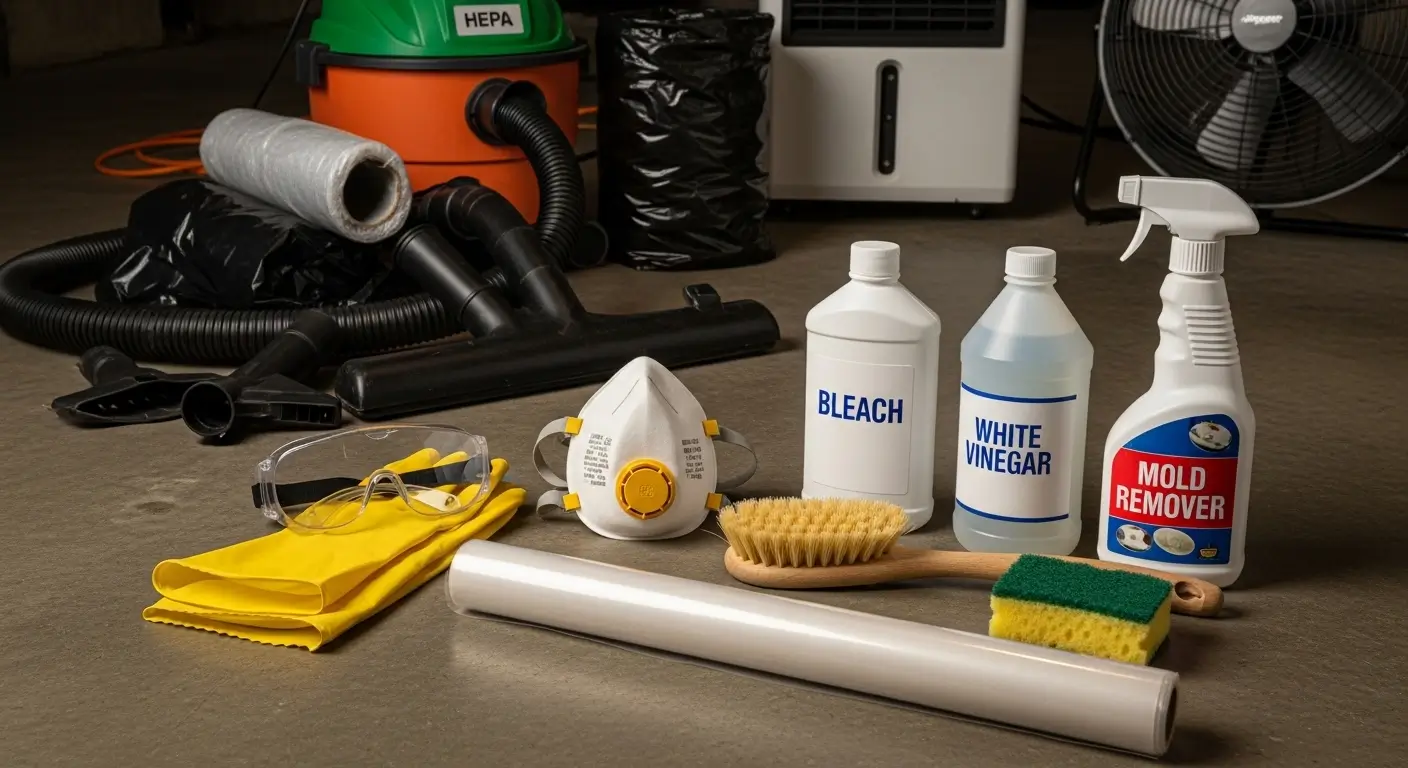
Before you start basement mold cleaning, gather these supplies:
- N95 respirator mask (essential for blocking mold spores)
- Safety goggles and rubber gloves
- Mold-killing solution: bleach, white vinegar, or commercial mold remover spray
- Stiff scrubbing brush or sponge
- HEPA vacuum
- Heavy-duty plastic bags for disposal
- Dehumidifier and fans
- Plastic sheeting for containment
How to Remove Mold from Your Basement: Step by Step
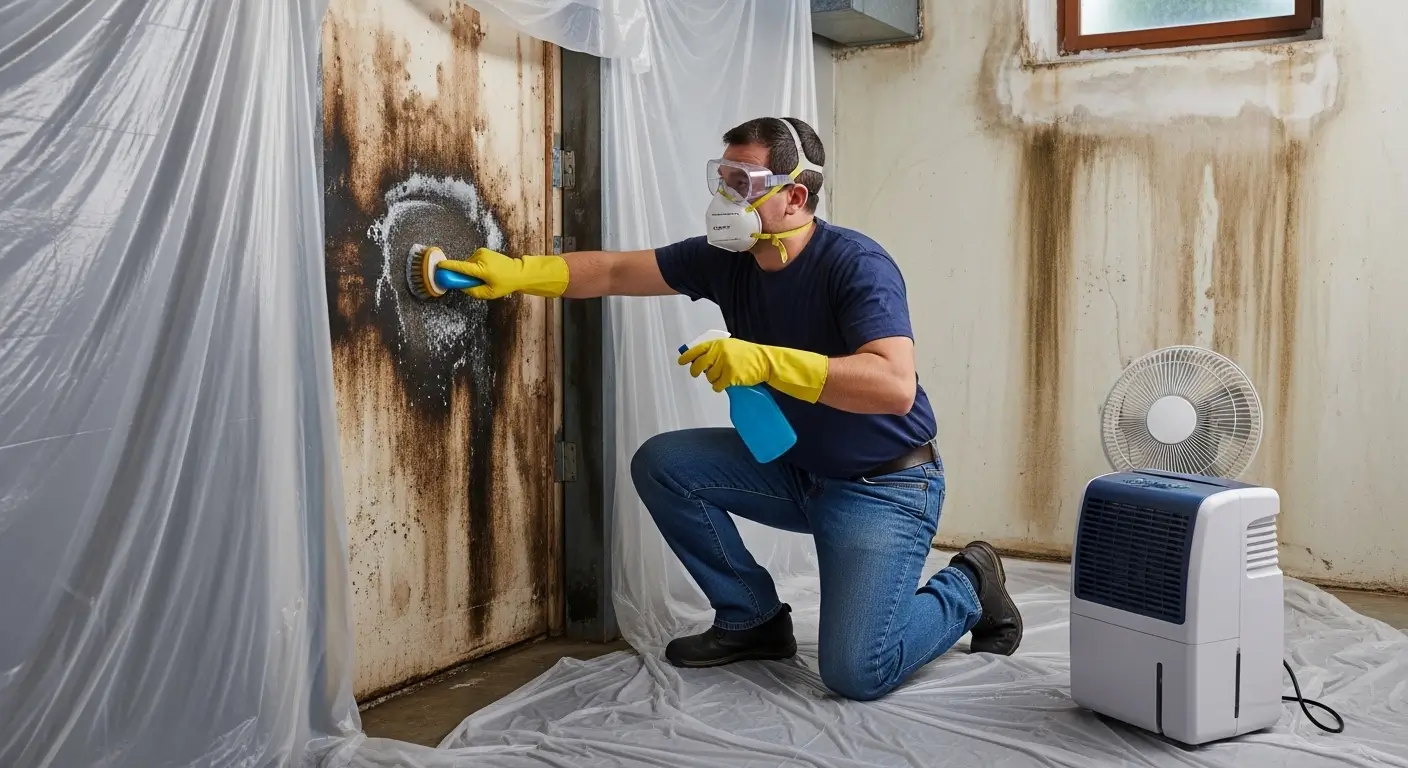
Step 1: Protect Yourself First
Put on your N95 mask, goggles, and gloves before entering the affected area. Mold spores become airborne the moment you disturb them. Never skip protective gear your lungs will thank you.
Step 2: Contain the Area
Seal off the basement from the rest of your home using plastic sheeting over doorways and vents. Turn off your HVAC system to prevent mold spores from spreading through your ductwork.
Step 3: Identify All Mold-Affected Areas
Do a thorough inspection. Check basement walls, ceilings, floor joists, insulation, and drywall. Mold often hides behind furniture and in corners. Use a flashlight to inspect dark spots closely.
Step 4: Choose Your Cleaning Solution
- Bleach solution (1 cup per gallon of water): Best for non-porous surfaces like concrete and tile
- White vinegar (undiluted): Effective for mild mold and safer for porous surfaces
- Commercial mold remover spray: Ideal for heavy mold growth and tough stains
⚠️ Never mix bleach with vinegar or ammonia it creates toxic fumes.
Step 5: Scrub and Clean
Apply your chosen solution generously to the mold-affected surface. Let it sit for 10 to 15 minutes to penetrate the growth. Then scrub firmly with your brush, working in circular motions. Wipe away residue with a damp cloth and dry the area completely.
Step 6: Dispose of Contaminated Materials
Porous materials like drywall, carpet, and insulation that are heavily infested with mold cannot be fully cleaned. Bag them in heavy-duty plastic bags, seal tightly, and dispose of them immediately. Do not carry them through your living areas.
Step 7: Dry the Area Completely
This step is critical. Run fans and a dehumidifier until the area is bone dry. Target humidity levels below 50%. Any lingering moisture will invite mold to return within days.
How to Prevent Basement Mold from Coming Back
Removing mold is only half the battle. Without addressing the root cause moisture it will return. Here is how to keep your basement mold-free for good:
- Install a dehumidifier and keep humidity below 50% year-round
- Fix leaking pipes and seal foundation cracks with waterproof sealant
- Improve basement ventilation with exhaust fans or window vents
- Apply mold-resistant paint or primer on walls
- Use a vapor barrier on basement floors and walls
- Inspect your basement regularly especially after heavy rainfall
When to Call a Professional Mold Remediation Service
Sometimes DIY is not enough. Call a certified mold specialist if:
- The mold covers more than 10 square feet
- You suspect mold inside walls, under flooring, or in HVAC ducts
- The mold keeps coming back despite repeated cleaning
- Anyone in your home is experiencing unexplained health symptoms
Professional basement mold remediation typically cost depending on the severity and size of the affected area. It is a worthwhile investment compared to the long-term health and structural risks of untreated mold.
Final Thoughts
Basement mold is a common problem but it does not have to be a permanent one. By acting quickly, using the right cleaning solutions, and eliminating moisture at its source, you can remove mold safely and keep your basement clean for years to come.
If the problem feels too large to tackle alone, or keeps coming back, do not hesitate to call a certified mold remediation specialist. Your health and your home are worth it.
Still unsure about your mold situation? Contact a professional mold inspector for a free assessment today.
Schedule Your Indoor Air Quality Check Today
Worried about the air inside your home? Our professional indoor air quality inspections help identify hidden pollutants, allergens, and airflow issues so you can breathe cleaner, healthier air with confidence.