What Happens If You Eat Mold? Symptoms, Risks & What to Do Next
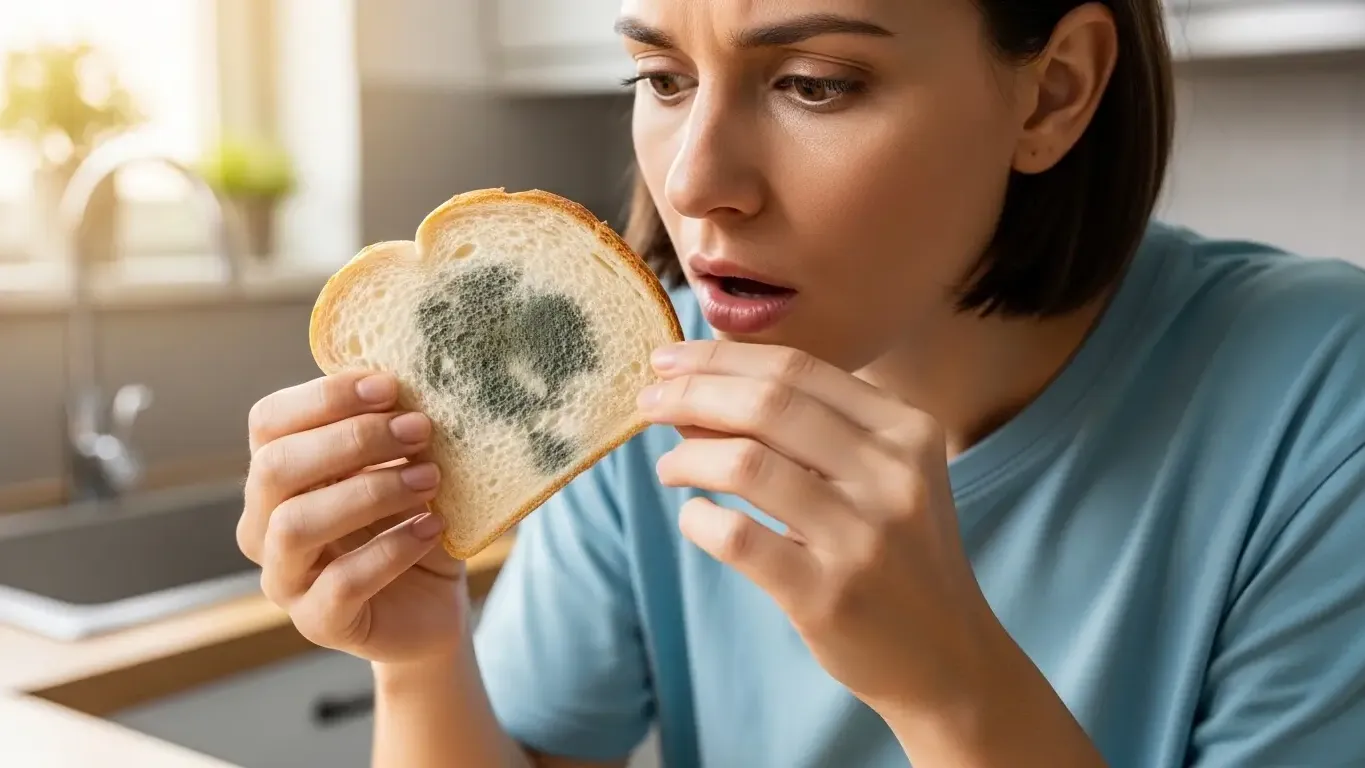
Mar 14, 2026You reach for a slice of bread, take a bite, and then you see it a fuzzy green or white patch of mold staring back at you. Your stomach drops. Did you just eat mold? What happens now?
First, take a breath. While eating mold is never ideal, it doesn't always mean a trip to the emergency room. However, there are situations where it can be genuinely dangerous and knowing the difference could protect your health.
This guide covers everything you need to know about what happens if you eat mold, what symptoms to watch for, and when to take action.
What Is Mold and Why Does It Grow on Food?
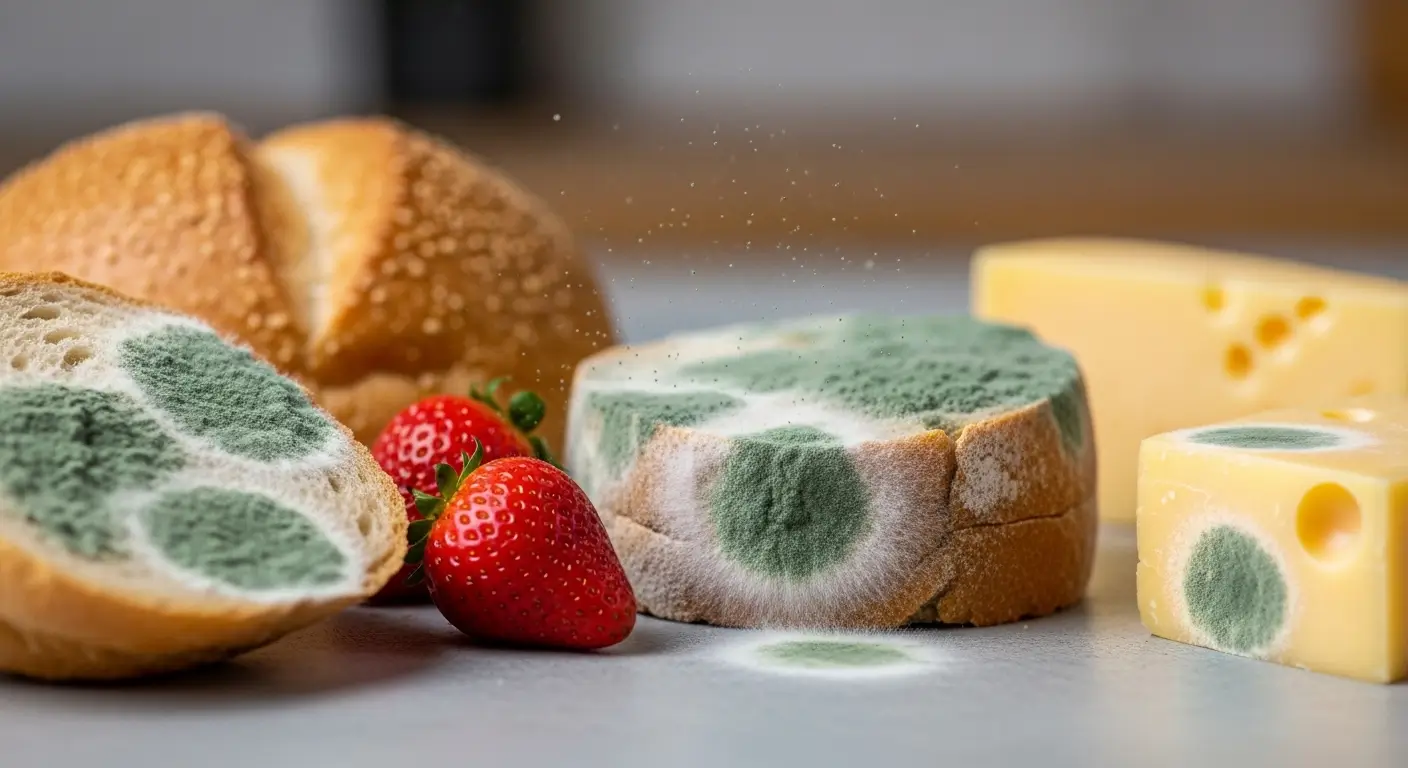
Mold is a type of fungus that spreads through tiny airborne spores. These spores land on food and begin growing when conditions are right warmth, moisture, and oxygen. What most people don't realize is that mold doesn't just sit on the surface. It grows roots deep into food, which means cutting off the visible part doesn't always make it safe to eat.
Mold can grow on almost any food bread, fruit, cheese, leftovers, and even dry goods like nuts and grains.
What Actually Happens If You Eat Mold?
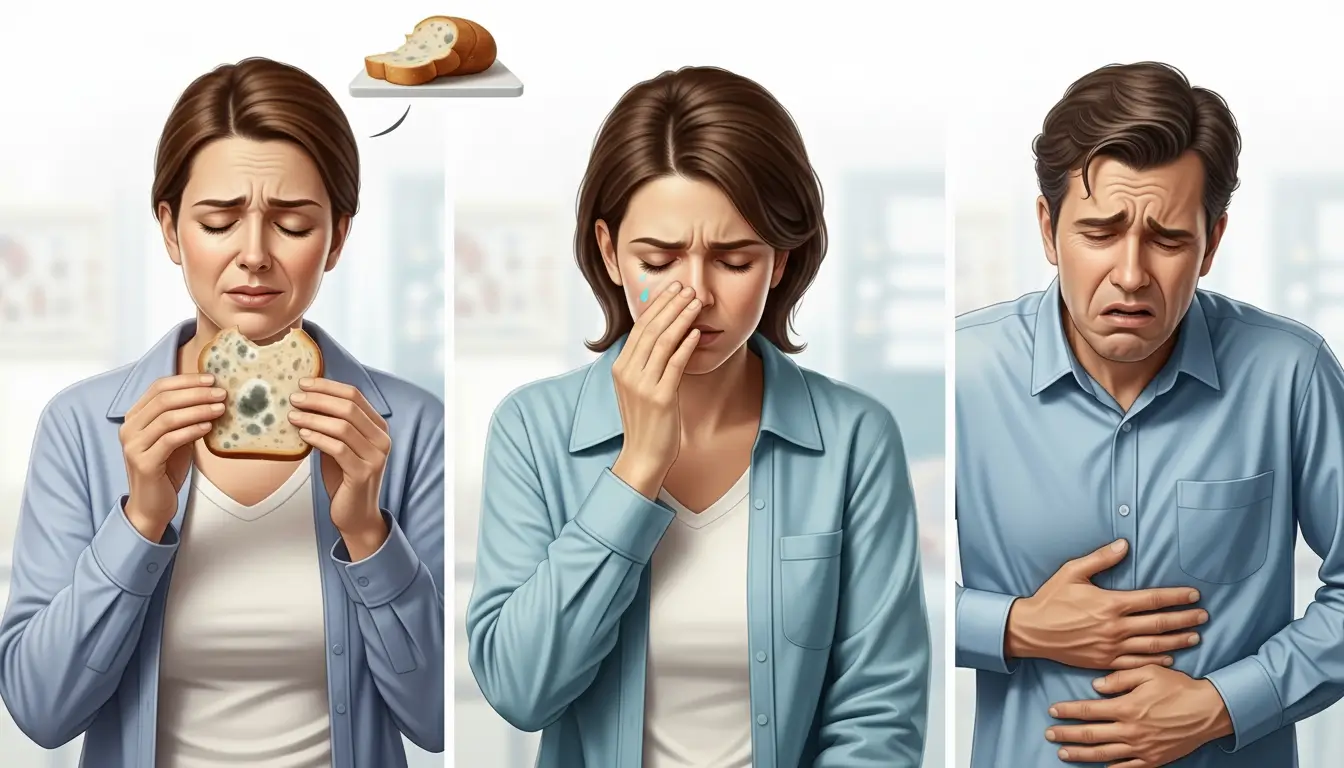
The answer depends on who you are and how much you ate.
For Most Healthy Adults
If you accidentally ate a small amount of mold, your body will likely handle it without any major reaction. Your stomach acid is strong enough to break down mold cells in many cases. You might experience a bad taste in your mouth or feel slightly queasy, but serious illness is uncommon for healthy individuals.
For People With Mold Allergies
If you have a mold allergy, eating mold can trigger an immune response. Symptoms can include sneezing, a runny nose, itchy eyes, skin rash, or an itchy throat. These reactions can appear within minutes or take a few hours to develop.
For High-Risk Groups
People with weakened immune systems face the greatest risk. This includes cancer patients, diabetics, elderly individuals, pregnant women, and young children. For these groups, eating mold can lead to serious fungal infections or toxic reactions that require immediate medical attention.
The Hidden Danger: Mycotoxins
Here is where things get more serious. Some molds produce toxic chemicals called mycotoxins — and these are the real threat. You cannot see, smell, or taste mycotoxins, which makes them particularly dangerous.
The most well-known include:
- Aflatoxins — produced by mold on nuts, corn, and grains, linked to liver damage and increased cancer risk
- Ochratoxin A — found in stored grains and coffee, associated with kidney damage
- Patulin — common in rotting apples and apple products, causes nausea and vomiting
The critical point here is that cooking or cutting away the mold does not destroy mycotoxins. If mold has been growing on food for a while, the safest choice is always to throw it away entirely.
Symptoms of Eating Mold to Watch For
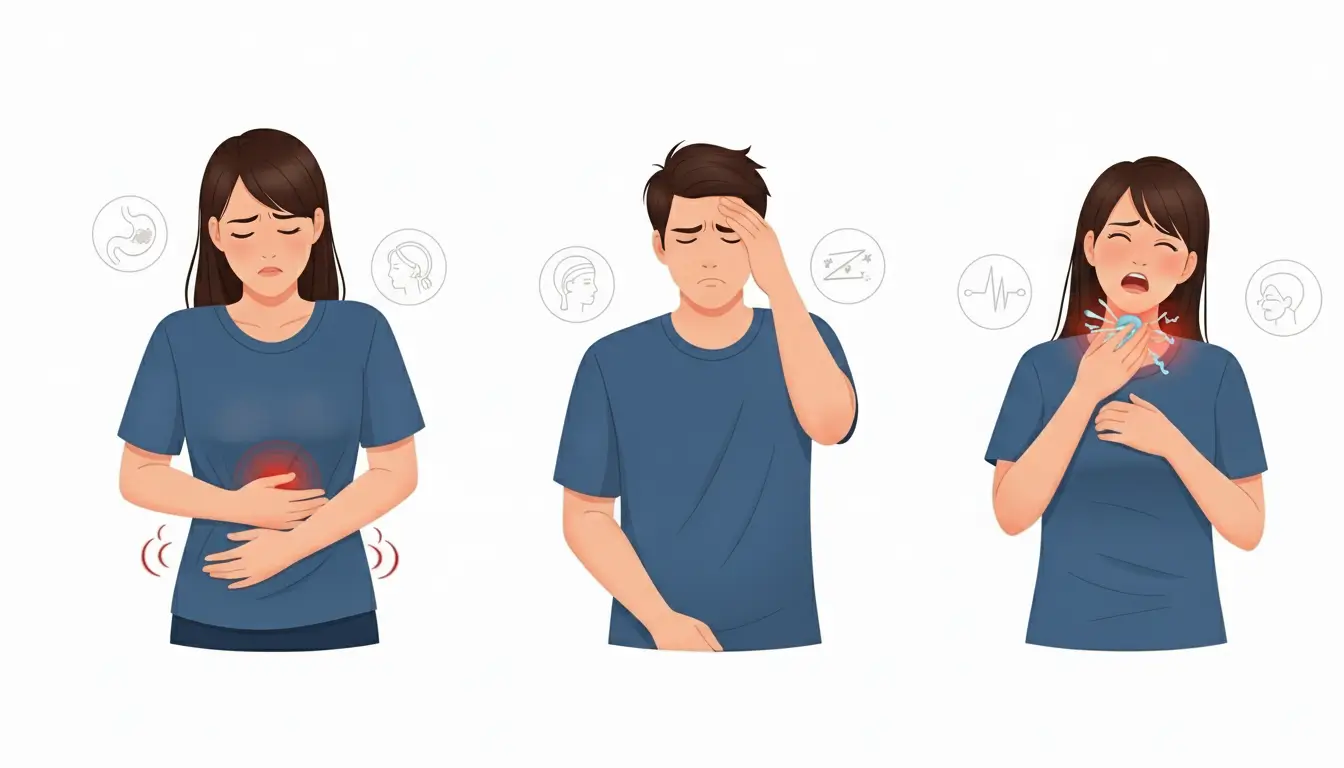
Most people want to know how will I feel if I ate mold? Here is what to look out for:
Mild symptoms (usually resolve on their own):
- Nausea or upset stomach
- Bloating or gas
- Loose stools or mild diarrhea
Moderate symptoms (monitor closely):
- Vomiting
- Stomach cramping
- Headache or dizziness
Severe symptoms (seek medical help immediately):
- Persistent vomiting or diarrhea lasting more than 24 hours
- Difficulty breathing or wheezing
- Throat swelling or hives
- High fever
- Signs of an allergic shock reaction
What To Do Right After Eating Mold
Stay calm and follow these steps:
- Don't panic — assess how much you actually consumed
- Drink plenty of water to help flush your system
- Do not induce vomiting — this can cause additional harm
- Watch for symptoms over the next 24 to 48 hours
- Call your doctor if symptoms develop or worsen
- Contact Poison Control (1-800-222-1222 in the US) if you are concerned
Food Mold Is Just the Beginning — What About Mold in Your Home?
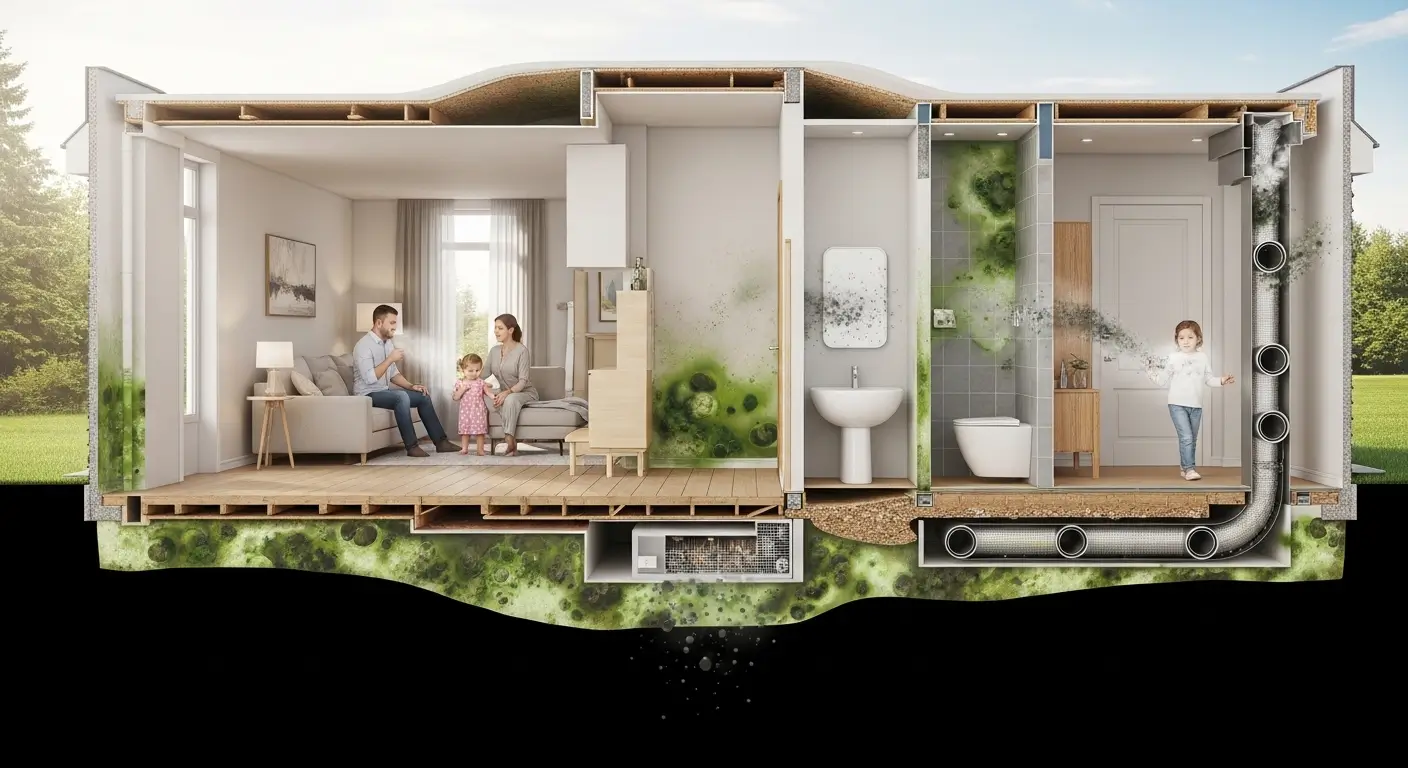
Here is something most people don't think about. The same mold spores that grow on your food also grow inside your home inside walls, under flooring, in bathrooms, and through your HVAC system. Every day you breathe these spores in without even knowing it.
Long-term mold exposure at home can cause chronic respiratory problems, persistent allergies, fatigue, and serious illness especially for children and vulnerable family members. The scary part is that you often cannot see it. Mold hides behind drywall, under carpets, and inside air ducts.
Warning signs of hidden mold in your home include:
- A persistent musty smell
- Unexplained allergy symptoms that get worse indoors
- Water stains on walls or ceilings
- Recent flooding or water damage
How to Prevent Mold on Food and In Your Home
For your food:
- Store perishables in airtight containers
- Refrigerate leftovers within two hours
- Clean your refrigerator regularly
- Buy only what you can use within a few days
For your home:
- Keep indoor humidity below 50%
- Fix leaks and water damage immediately
- Ensure proper ventilation in bathrooms and kitchens
- Schedule a professional mold inspection if you notice any warning signs
Worried About Mold in Your Home? We Can Help.
Eating mold once might be an accident. But living with mold in your home every single day is a hidden health risk you can control. At Indoor air quality services, our certified mold inspection and mold removal specialists help families identify and eliminate mold before it causes serious harm.
Don't wait until symptoms appear. Schedule your professional mold inspection today and breathe easier knowing your home is safe.
Schedule Your Indoor Air Quality Check Today
Worried about the air inside your home? Our professional indoor air quality inspections help identify hidden pollutants, allergens, and airflow issues so you can breathe cleaner, healthier air with confidence.