Understanding Air Contamination and Its Impact
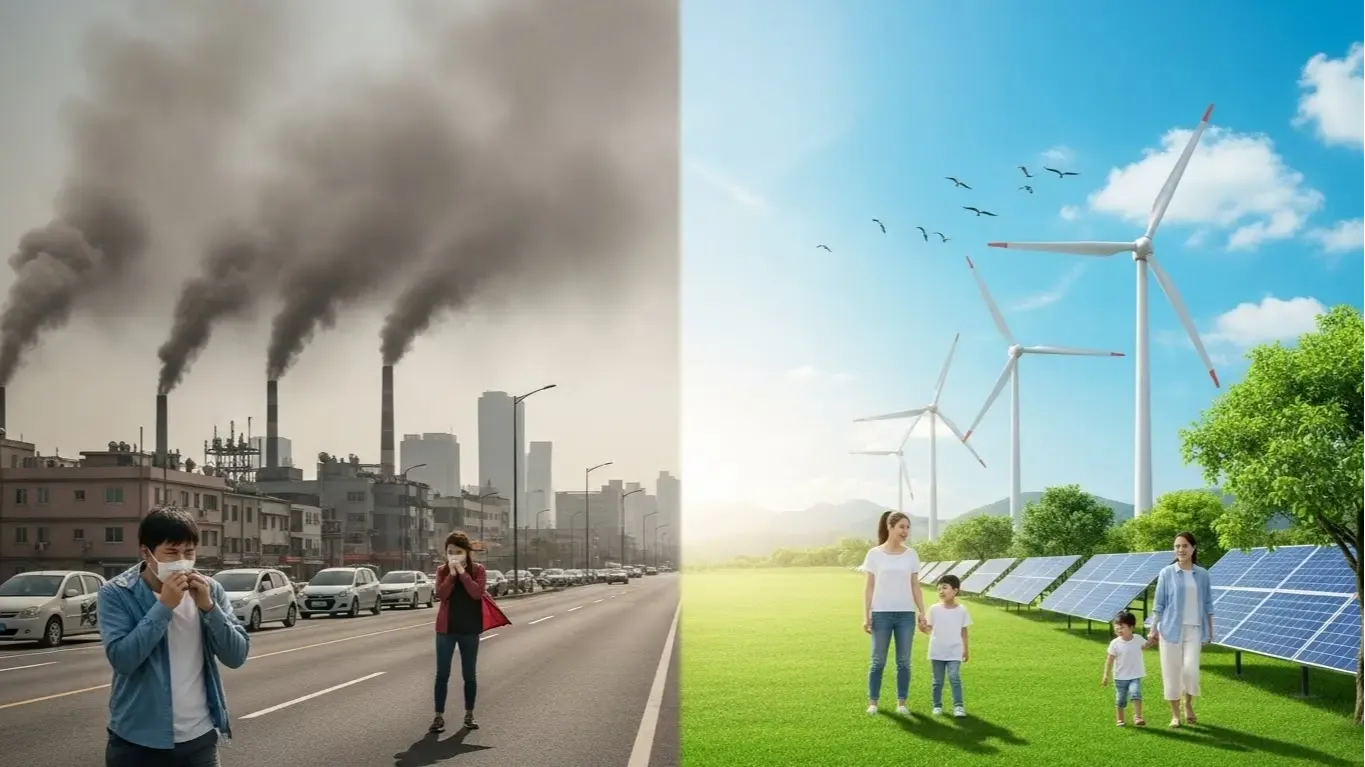
Dec 23, 2025The air we breathe is essential for life, but it can also carry harmful substances. When unwanted chemicals, particles, or biological materials enter the atmosphere, it results in air contamination. This issue affects everyone, from people living in busy cities to those in remote villages. Understanding what causes air contamination and its effects is the first step toward finding solutions and protecting our health and planet.
This article will guide you through the basics of air contamination. We will explore its primary causes, examine its serious effects on our health and the environment, and discuss practical solutions that can help us clean the air we share.
What Is Air Contamination?
Air contamination happens when the air contains gases, dust, fumes, or odors in harmful amounts. It is the introduction of pollutants into the atmosphere that can cause damage to living organisms and the natural world. These substances can be anything from tiny physical particles to biological molecules or chemical agents that alter the natural composition of the air.
This contamination can occur both indoors and outdoors. While we often think of smog over a city, the air inside our homes, schools, and offices can also be contaminated. The key thing to remember is that air contamination makes the air unsafe to breathe, posing a risk to human health and the well-being of the entire ecosystem.
Major Causes of Air Contamination
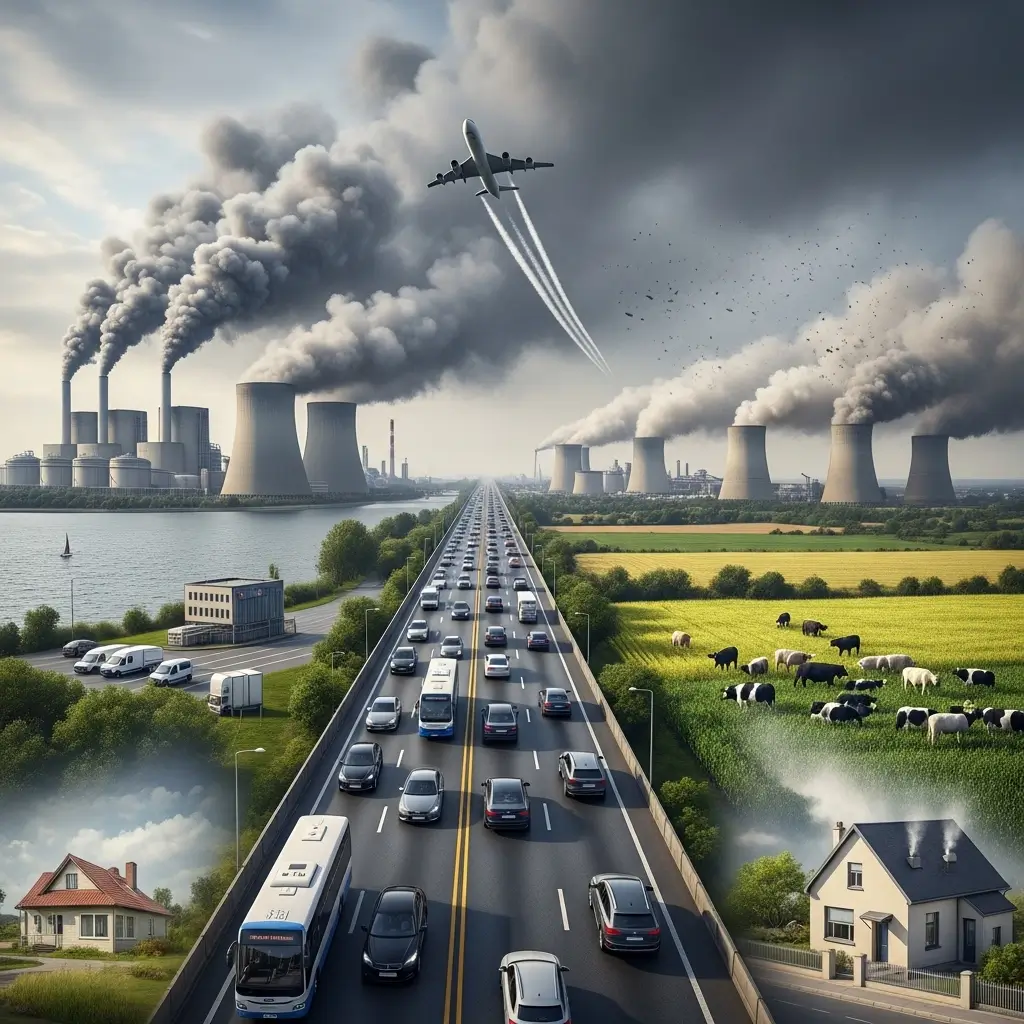
The sources of air contamination are varied and can be both natural and man-made. While natural events like volcanic eruptions or wildfires release pollutants into the air, human activities are the biggest contributors to the problem worldwide.
Burning Fossil Fuels
A primary cause of air contamination is the burning of fossil fuels like coal, oil, and natural gas. This happens on a massive scale.
- Power Plants: Many power plants burn fossil fuels to generate electricity, releasing large quantities of sulfur dioxide and nitrogen oxides.
- Transportation: Cars, trucks, airplanes, and ships mostly run on gasoline or diesel. Their exhaust fumes release carbon monoxide, nitrogen oxides, and particulate matter into the atmosphere.
Industrial and Agricultural Activities
Factories and industrial processes are significant sources of pollution. Manufacturing, chemical production, and mining release toxic chemicals and gases. In agriculture, the use of fertilizers and pesticides can release ammonia into the air. Also, livestock farming produces methane, a potent greenhouse gas that contributes to air quality issues.
Household Sources
Our daily activities also contribute to air contamination. Using chemical-based cleaning products, paints, and sprays can release volatile organic compounds (VOCs) indoors. Burning wood or other solid fuels for cooking and heating, a common practice in many parts of the world, is a major source of indoor and outdoor particulate pollution.
The Effects of Air Contamination

The consequences of breathing contaminated air are severe and widespread. It affects our health directly and causes significant harm to the environment.
Impacts on Human Health
When we breathe in polluted air, harmful particles and gases can enter our lungs and even our bloodstream. This can lead to a range of health problems.
- Respiratory Issues: Short-term exposure can cause coughing, wheezing, and asthma attacks. Long-term exposure is linked to chronic bronchitis and lung cancer.
- Cardiovascular Problems: Air contamination increases the risk of heart attacks, strokes, and other heart-related diseases. Fine particles can cause inflammation in the arteries.
- Other Health Risks: It can also affect brain development in children and has been linked to other conditions affecting the nervous system.
Environmental Damage
Air contamination doesn't just harm humans; it damages entire ecosystems.
- Acid Rain: When pollutants like sulfur dioxide and nitrogen oxides mix with water in the atmosphere, they create acid rain. This damages forests, soils, and aquatic life in lakes and rivers.
- Climate Change: Greenhouse gases, such as carbon dioxide and methane, trap heat in the Earth's atmosphere. This leads to global warming, causing rising sea levels, extreme weather events, and shifts in climate patterns.
- Damage to Wildlife: Animals suffer from the same health effects as humans when exposed to contaminated air. Pollution also destroys their habitats, threatening biodiversity.
Solutions to Reduce Air Contamination
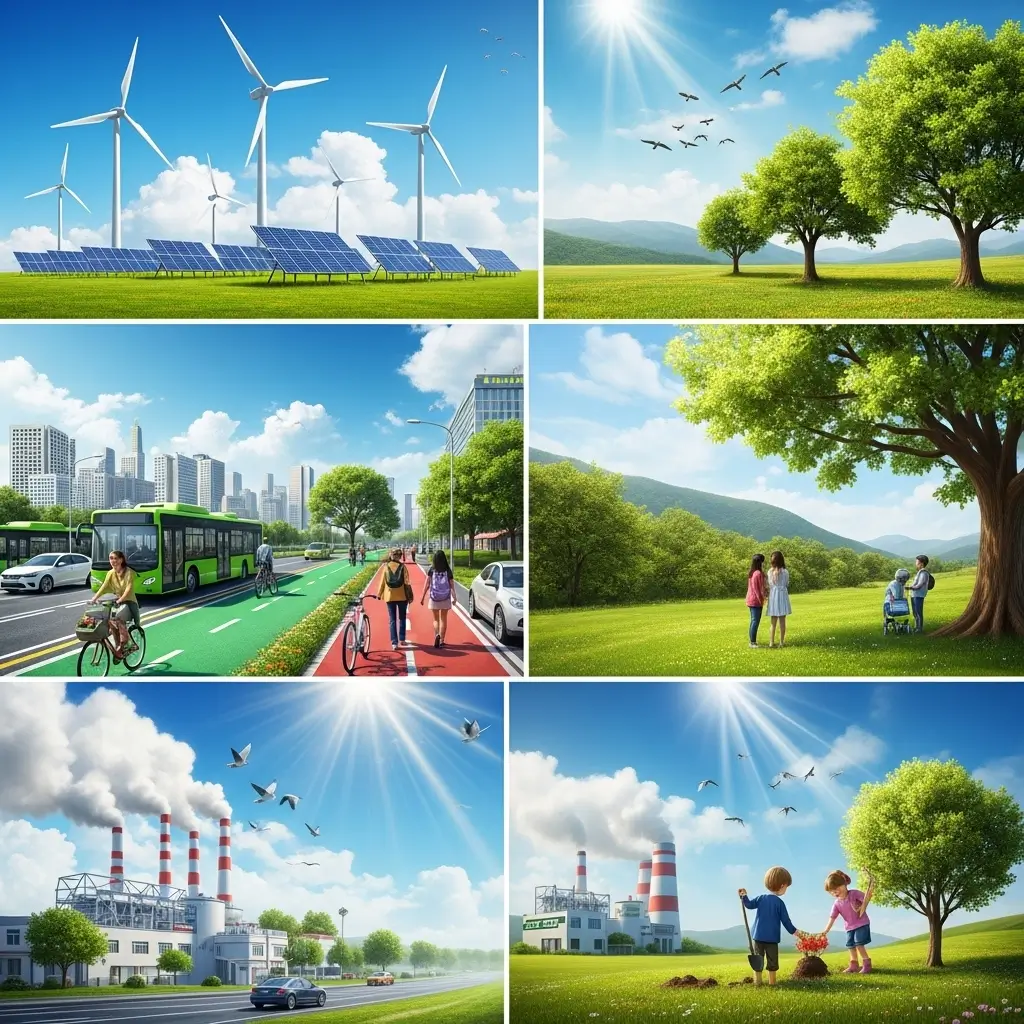
While the problem of air contamination is large, there are effective solutions we can implement. A combination of government action, industry changes, and individual efforts can make a real difference.
Transition to Clean Energy
One of the most important steps is moving away from fossil fuels. We can do this by investing in renewable energy sources like solar, wind, and hydropower. These energy sources generate electricity without releasing harmful pollutants into the air. Supporting policies that promote clean energy is crucial for a large-scale impact.
Improve Transportation
Making our transportation systems cleaner is another key solution. This includes promoting the use of electric vehicles, improving public transit options, and designing cities that are more friendly to walking and cycling. Improving fuel efficiency standards for vehicles also helps reduce emissions.
Individual Actions Matter
We all have a role to play in reducing air contamination. Simple changes in our daily lives can contribute to cleaner air. You can conserve energy at home by turning off lights and unplugging electronics when not in use. Choosing to walk, bike, or use public transport instead of driving helps cut down on vehicle emissions. Supporting companies that are committed to sustainable practices can also drive change. By working together, we can reduce air contamination and create a healthier future for everyone.
Schedule Your Indoor Air Quality Check Today
Worried about the air inside your home? Our professional indoor air quality inspections help identify hidden pollutants, allergens, and airflow issues so you can breathe cleaner, healthier air with confidence.