Does Peroxide Kill Mold? The Truth About Hydrogen Peroxide as a Mold Killer
Apr 29, 2026Discovering mold in your home is stressful — and the first thing most people do is reach for whatever cleaning product is under the sink. Hydrogen peroxide is a common go-to, but does it actually work? The short answer is yes, but there's more to the story. Let's break down exactly how hydrogen peroxide kills mold, when to use it, and when you need something stronger.
What Is Hydrogen Peroxide and How Does It Work Against Mold?
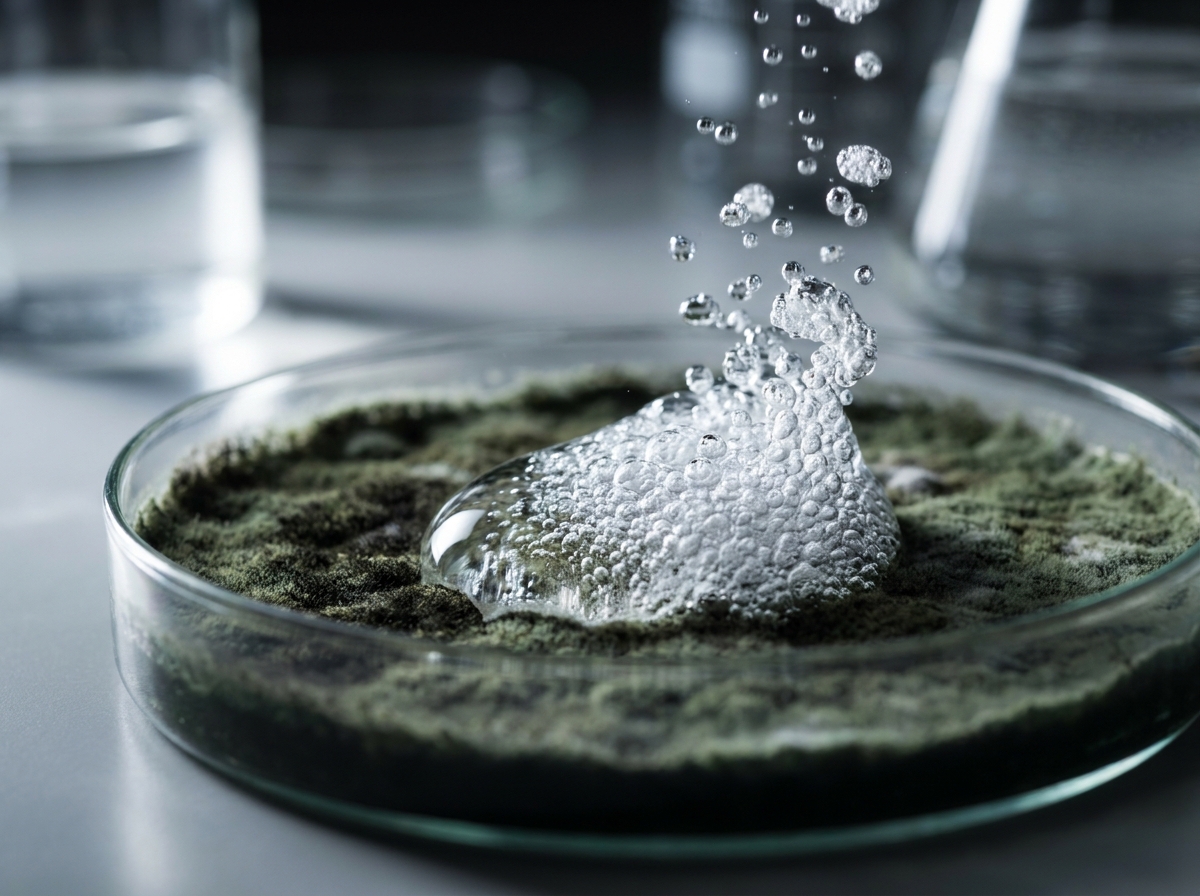
Hydrogen peroxide (H₂O₂) is a naturally occurring chemical compound with powerful antimicrobial and antifungal properties. When applied to a mold-contaminated surface, it releases oxygen molecules that break down the cell walls of mold spores and mycelium — the root-like structure that mold uses to anchor itself to surfaces.
This oxidative reaction is what makes hydrogen peroxide effective as a fungicide and disinfectant. It attacks mold at the cellular level, disrupting its biological structure rather than just masking it.
The most commonly available concentration for household use is 3% hydrogen peroxide, found at your local drugstore. This concentration is strong enough to kill surface mold on many non-porous materials.
Does Hydrogen Peroxide Kill All Types of Mold?
Hydrogen peroxide is effective against a broad spectrum of mold species, including:
- Cladosporium — one of the most common household molds found on walls and fabrics
- Penicillium — often found in damp basements and on food
- Aspergillus — a widespread indoor mold linked to allergic reactions
- Alternaria — typically found in showers, under sinks, and around windows
However, it is less reliable against Stachybotrys chartarum, commonly known as black mold. Black mold grows deep into porous materials like drywall and wood. Hydrogen peroxide can kill surface colonies, but it may not penetrate deep enough to fully eradicate the infestation.
How to Use Hydrogen Peroxide to Kill Mold (Step-by-Step)
Using hydrogen peroxide for mold removal is straightforward, but proper application matters.
What you'll need:
- 3% hydrogen peroxide (available at any pharmacy)
- A spray bottle
- Scrub brush or sponge
- Gloves and a face mask
- Clean cloth or paper towels
Steps:
- Put on protective gear. Mold spores become airborne during cleaning. A mask and gloves protect your respiratory system and skin.
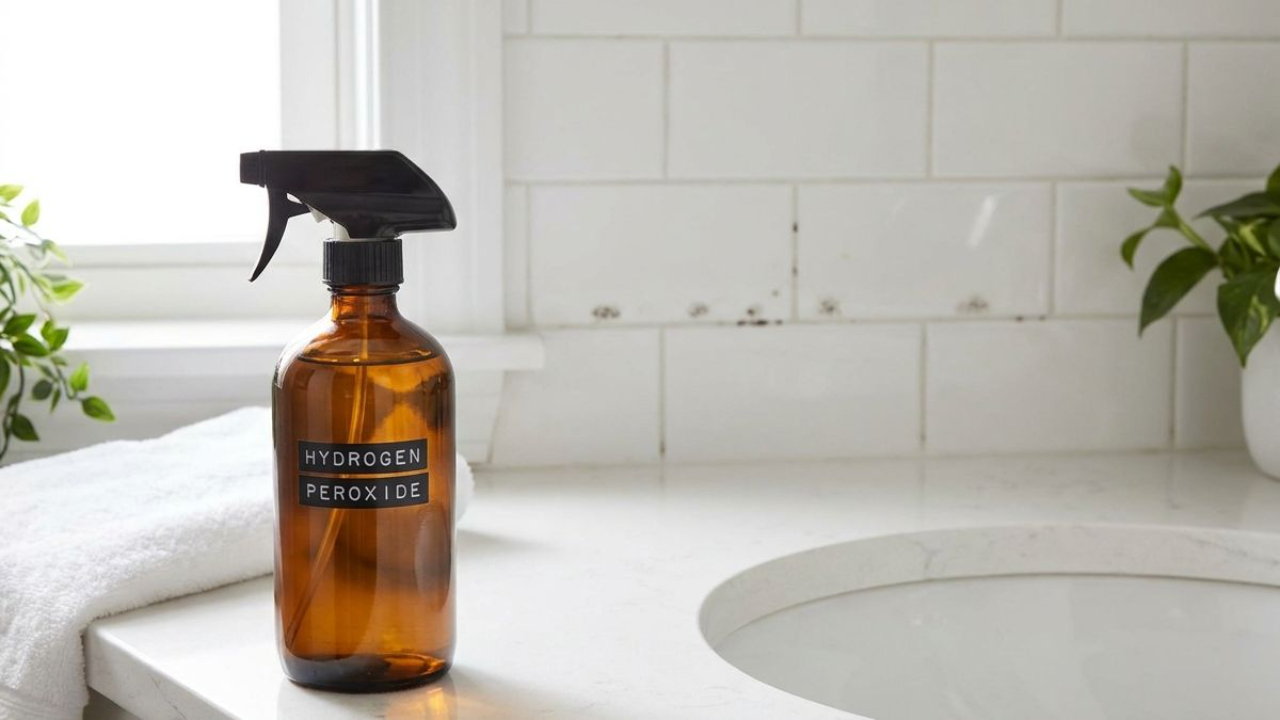
- Pour 3% hydrogen peroxide into a spray bottle — no need to dilute it.
- Saturate the moldy surface and let it sit for 10 to 15 minutes. This dwell time is critical; it allows the oxidizing reaction to fully work.
- Scrub the area firmly to remove the dead mold and staining.
- Wipe the surface clean with a damp cloth and let it air dry completely.
- Repeat if necessary for heavier infestations.
For extra effectiveness, some IAQ professionals recommend combining hydrogen peroxide with white vinegar — applying vinegar first, letting it sit, then following up with hydrogen peroxide. Never mix them in the same bottle, as this can create an unstable compound.
What Surfaces Can You Treat with Hydrogen Peroxide?
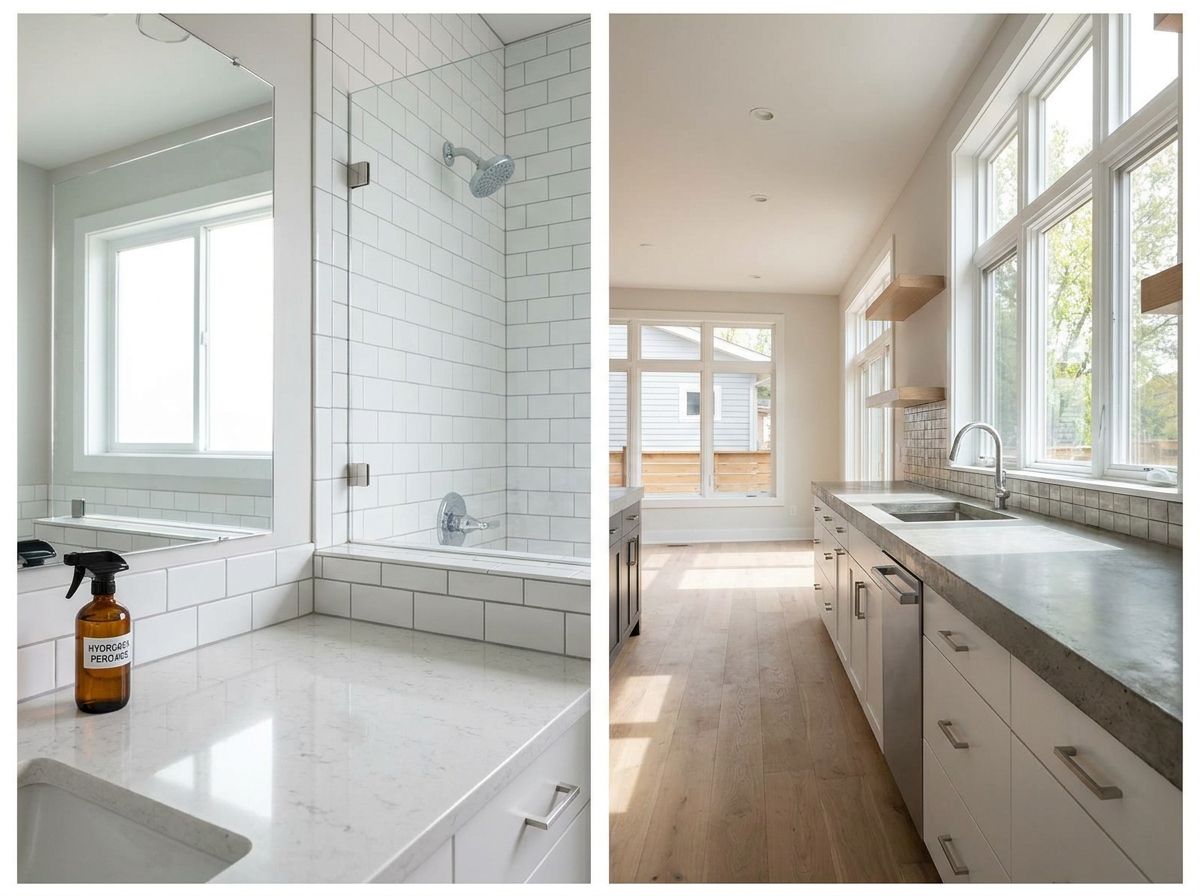
Hydrogen peroxide is safe and effective on many common household surfaces:
- Bathroom tiles and grout
- Kitchen countertops
- Glass and mirrors
- Appliances (refrigerators, washing machines)
- Clothing and fabric (test for colorfastness first)
- Hard flooring
Avoid using it on natural stone like marble or granite, as it can cause etching and discoloration. It is also not ideal for porous materials like drywall or untreated wood where mold has penetrated below the surface.
Hydrogen Peroxide vs. Other Mold Killers
|
Method |
Kills Mold Spores |
Safe for Most Surfaces |
Fume-Free |
|
Hydrogen Peroxide (3%) |
✅ Yes |
✅ Yes |
✅ Yes |
|
Bleach |
✅ Yes (surface only) |
⚠️ No (damages some surfaces) |
❌ No |
|
White Vinegar |
⚠️ Partial |
✅ Yes |
✅ Yes |
|
Tea Tree Oil |
⚠️ Partial |
✅ Yes |
✅ Yes |
Bleach is often mistakenly considered the gold standard for mold removal. However, bleach is primarily effective on non-porous surfaces and does not penetrate into porous materials. It also produces harsh chlorine fumes. Hydrogen peroxide offers a safer, fume-free alternative with comparable or better efficacy on many surfaces.
When Hydrogen Peroxide Isn't Enough
There are situations where DIY mold removal with hydrogen peroxide is not sufficient:
- Mold covering more than 10 square feet — the EPA recommends professional remediation at this scale
- Black mold (Stachybotrys) infestations on drywall or structural wood
- Mold in HVAC systems or air ducts, which can spread spores throughout your home
- Mold after water damage or flooding, where contamination may be widespread and hidden
If you're dealing with indoor air quality concerns related to mold — such as musty odors, allergy symptoms, or visible mold regrowth — consider a professional mold inspection and air quality test. These are the most reliable ways to assess the extent of fungal contamination in your living environment.
Final Verdict: Is Hydrogen Peroxide Good for Mold Removal?
Yes — hydrogen peroxide is a legitimate, science-backed option for surface mold remediation in your home. It's affordable, widely available, fume-free, and effective against most common household mold species. For small infestations on non-porous surfaces, it's one of the best DIY solutions available.
That said, it has its limits. For large infestations, porous materials, or suspected black mold, professional mold remediation is the safer and more thorough choice.
Protecting your indoor air quality starts with acting quickly. Whether you use hydrogen peroxide or call in a pro, don't ignore mold — it only gets worse with time.
Have more questions about indoor air quality and mold? Explore more guides at IAQAnswers.com.
Schedule Your Indoor Air Quality Check Today
Worried about the air inside your home? Our professional indoor air quality inspections help identify hidden pollutants, allergens, and airflow issues so you can breathe cleaner, healthier air with confidence.