Are Essential Oil Diffusers Bad for Indoor Air Quality? The Unscented Truth
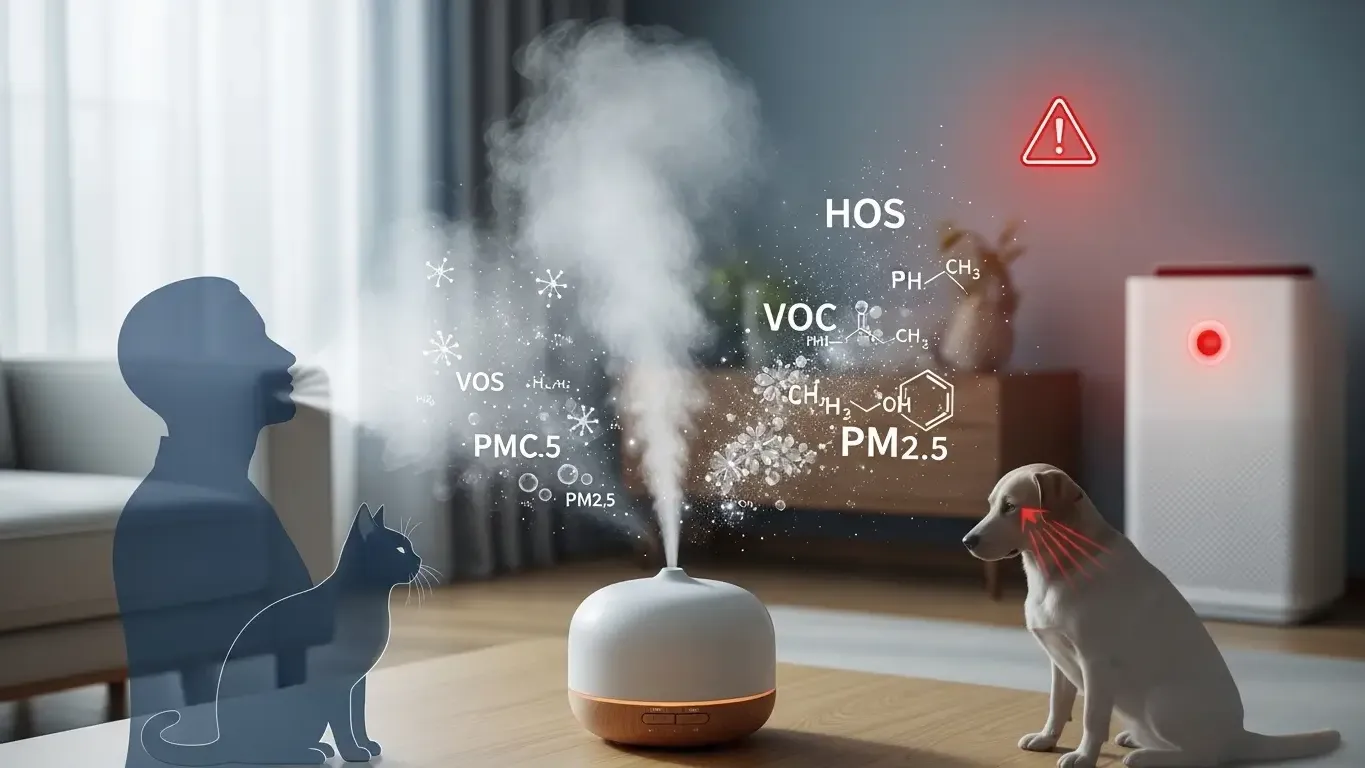
Feb 07, 2026We all want our homes to smell like a spa. From lavender to help us sleep to eucalyptus for a cold, essential oils are often marketed as the ultimate natural wellness hack. But as we become more conscious of our home environment, a serious question arises: Are essential oil diffusers bad for indoor air quality?
The short answer is: Yes, they can be.
While essential oils are natural, introducing any foreign substance into the air changes its composition. For the strict purpose of air quality, diffusers are effectively pollution generators. However, that doesn’t mean you have to throw yours in the trash—you just need to understand what is happening to the air you breathe.
Do Diffusers Pollute Indoor Air? (VOCs and PM2.5)
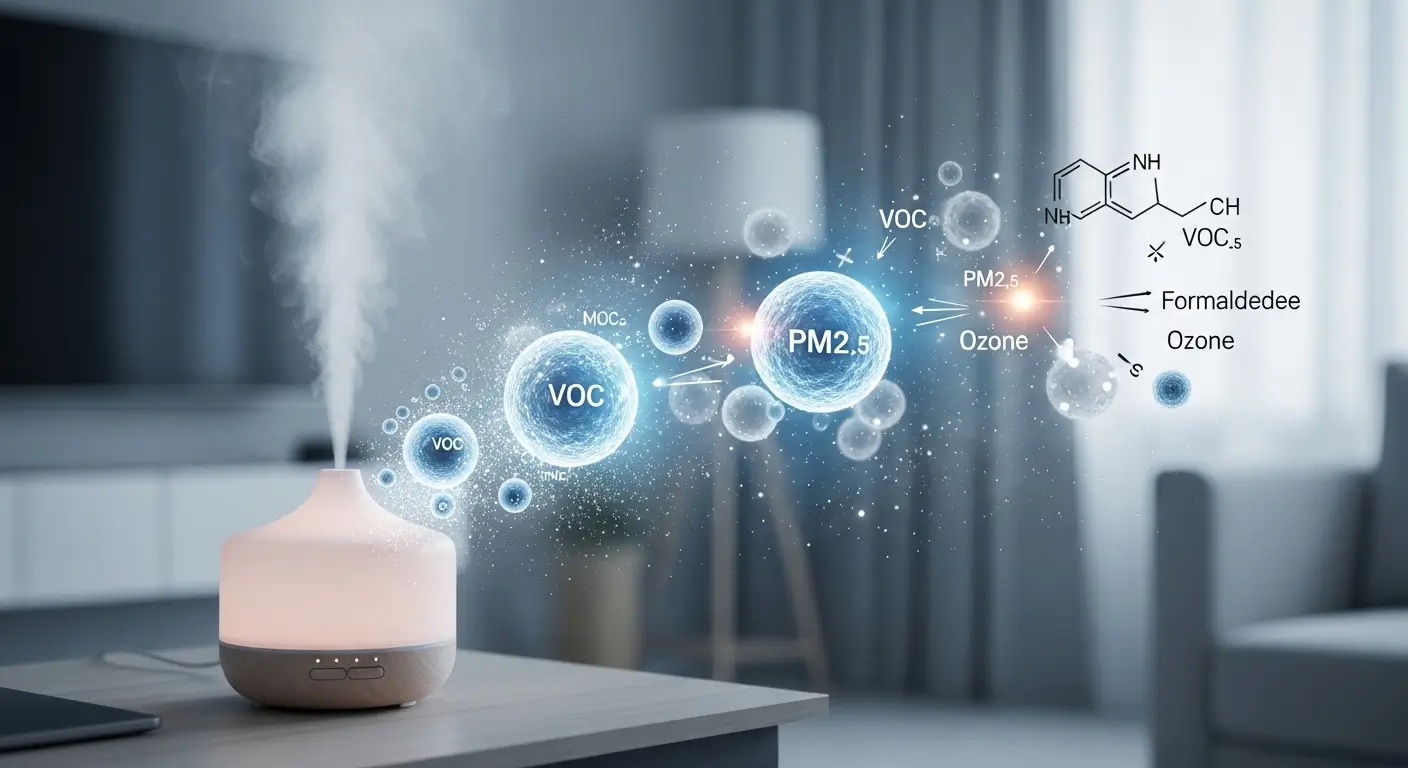
To an air quality scientist, a pleasant scent is just a mix of chemicals. When you run a diffuser (especially ultrasonic ones that mix water and oil), you are releasing two things into the air:
- Volatile Organic Compounds (VOCs): You usually hear about VOCs in relation to paint fumes or new furniture, but essential oils are practically made of them. While natural, these compounds can irritate the lungs.
- Particulate Matter (PM2.5): These are microscopic liquid or solid particles suspended in the air.
The biggest issue arises when the VOCs from your oils interact with the ozone naturally present in your home. This reaction can create secondary pollutants, including formaldehyde and ultrafine particles.
According to various studies, running a diffuser in a closed room can spike particulate matter levels to that of a "severe pollution event" in a major city within minutes.
The Health Risks: Who Should Be Careful?
For a healthy adult with robust lungs, occasional diffusion usually isn't a problem. However, for specific groups, diffusers can trigger immediate health issues.
Asthma and Allergy Sufferers
If anyone in your home has asthma, COPD, or chronic allergies, diffusers are generally discouraged. The strong scents and increase in airborne particles can trigger bronchospasms (tightening of the airways). Symptoms often include coughing, wheezing, or shortness of breath shortly after the machine is turned on.
The Danger to Pets
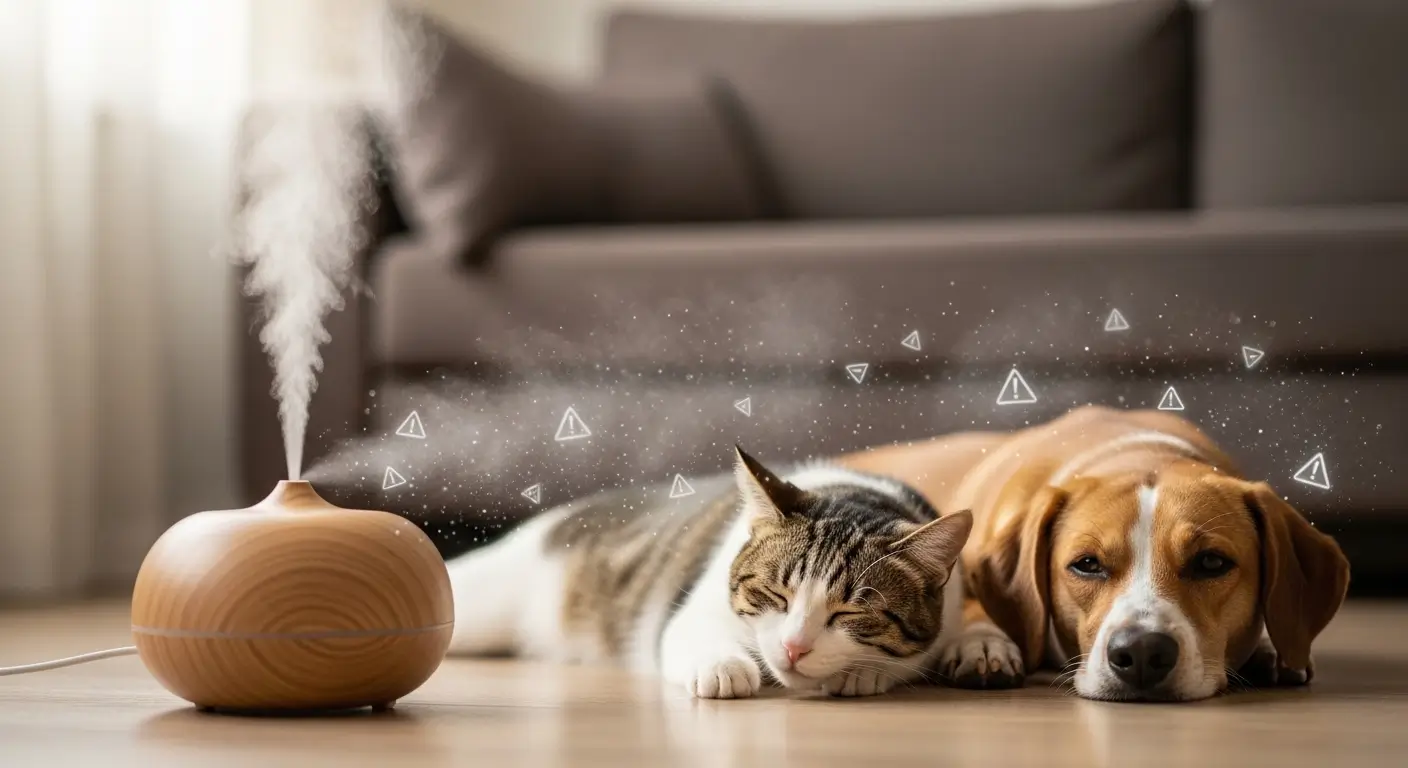
This is a critical IAQ factor often overlooked. Animals have much faster respiratory rates and smaller lungs than humans. Furthermore, their livers cannot process certain compounds found in oils.
- Highly Toxic to Cats: Tea tree, peppermint, citrus, and eucalyptus.
- Highly Toxic to Dogs: Tea tree, cinnamon, pine, and wintergreen.
If you notice your pet sneezing, drooling, or acting lethargic while the diffuser is on, turn it off and ventilate the room immediately.
Why Your Air Purifier "Goes Crazy" When You Diffuse?
If you own a smart air purifier (like a Dyson, Levoit, or Coway), you may have noticed that the air quality indicator light turns red and the fan speeds up the moment you turn on your essential oil diffuser.
Is the purifier broken? No. It is doing its job.
The sensor in your air purifier detects the oil droplets as "pollution" (particulate matter). The machine cannot distinguish between "good" lavender smells and "bad" wildfire smoke—it simply sees particles that shouldn't be there and tries to filter them out.
If you run both machines simultaneously, your air purifier will actively work to remove the scent you are trying to create, which shortens the life of your expensive HEPA filters.
5 Rules for Using Essential Oils Safely
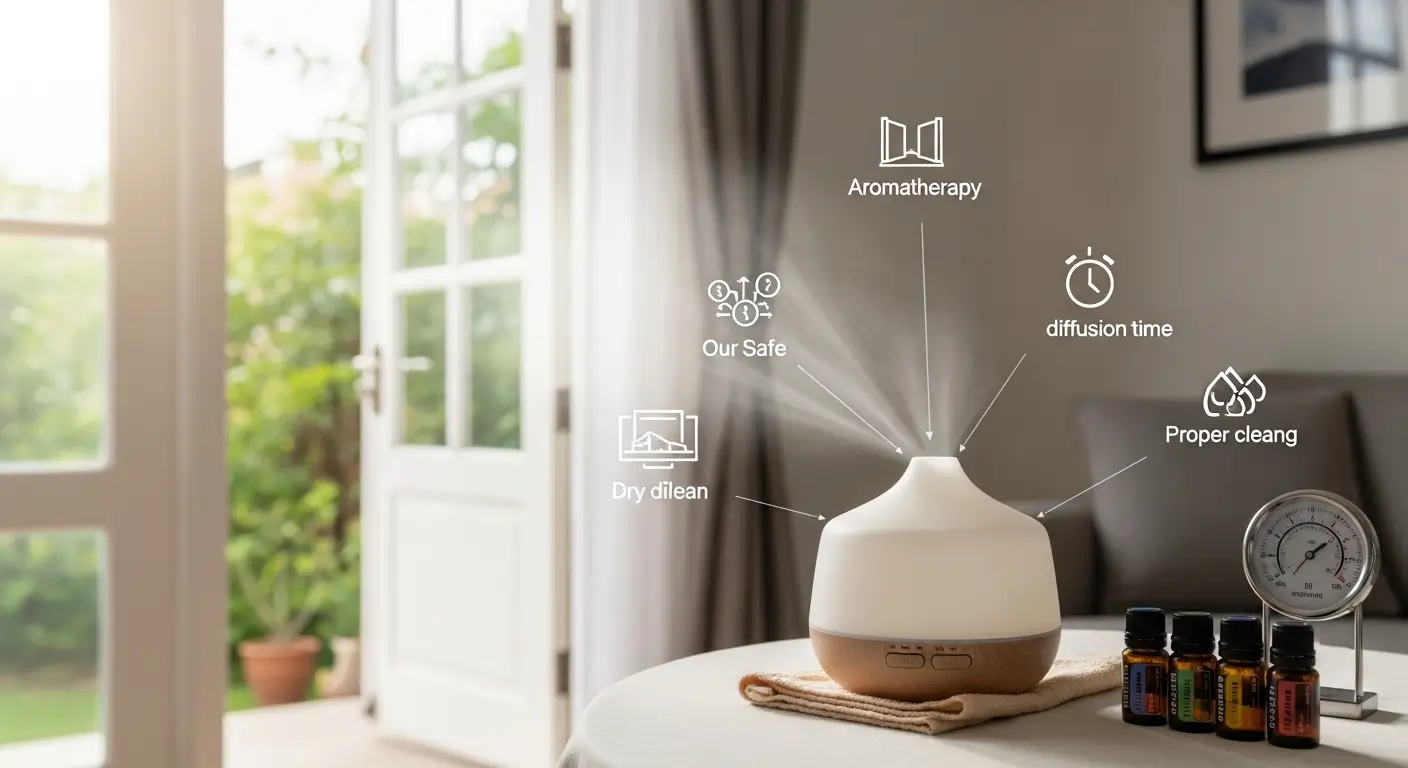
If you love aromatherapy and aren't ready to give it up, you can minimize the impact on your indoor air quality by following these rules:
- Never in a Closed Room: Always keep a door open or crack a window.
- Limit Diffusion Time: Run it for 15–30 minutes only.
- Watch the Humidity: Avoid use above 50% humidity.
- Clean the Machine: Wipe after every use.
- Choose High-Quality Oils: Avoid synthetic fragrance oils.
Conclusion
So, are essential oil diffusers bad for indoor air quality? Technically, yes. They increase VOCs and fine particulate matter in your home. While the levels are usually lower than cigarette smoke or active mold growth, they still alter the chemical balance of your indoor air.
For most healthy individuals, occasional use may not cause noticeable issues. However, people with asthma, allergies, chemical sensitivities, or pets with respiratory vulnerabilities may react more strongly. Even “natural” oils release airborne compounds that can accumulate in poorly ventilated spaces.
If you prioritize pristine air quality—or if you live with asthmatics or sensitive pets—it is best to skip the diffuser. But if you choose to use one, treat it like a treat, not a permanent fixture: use it sparingly, ventilate well, and monitor how your environment responds. Using reliable indoor air quality testing tools can also help you track VOC levels and understand how your space is affected.
If you want to take a more proactive approach, you can explore professional-grade indoor air quality products in our store to better evaluate and protect your home environment.
Schedule Your Indoor Air Quality Check Today
Worried about the air inside your home? Our professional indoor air quality inspections help identify hidden pollutants, allergens, and airflow issues so you can breathe cleaner, healthier air with confidence.