How to Check Air Quality for Mold: A Complete Home Guide
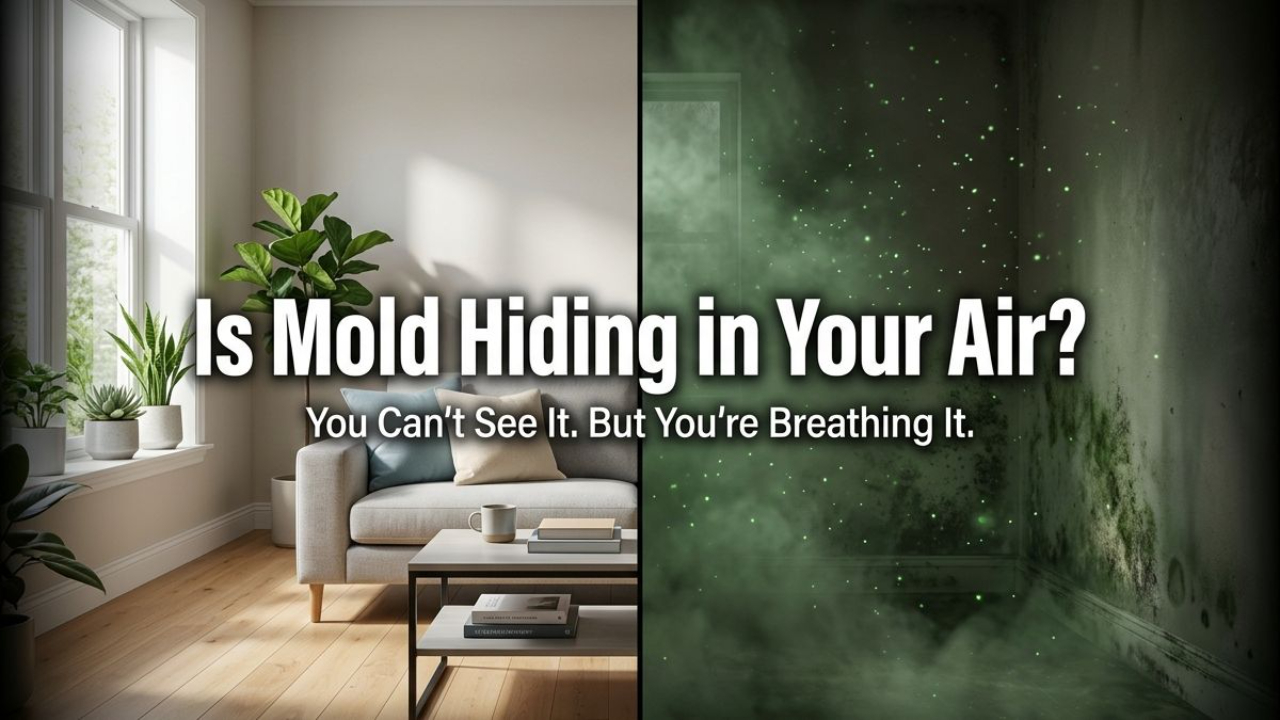
May 21, 2026You can't always see mold, but you can definitely breathe it. Millions of homes across the country have mold spores floating in the air right now, and most homeowners have no idea. Whether you've noticed a musty smell, are dealing with unexplained allergy symptoms, or just want peace of mind, learning how to check air quality for mold is one of the smartest things you can do for your family's health.
This guide walks you through everything you need to know, from the warning signs to the best testing methods in simple, easy-to-follow steps.
Why Mold in the Air Is a Bigger Problem Than You Think
Mold isn't just an eyesore on your bathroom wall. When mold grows indoors, it releases tiny spores into the air. These spores travel invisibly and can be inhaled without you even knowing.
Common health effects of mold exposure include:
- Persistent coughing and sneezing
- Itchy, watery eyes
- Worsening asthma or breathing problems
- Headaches and fatigue
- Skin irritation
Children, elderly people, and anyone with a weakened immune system are especially vulnerable. Even healthy adults can feel the effects after prolonged exposure. The scary part? Symptoms are often mistaken for seasonal allergies or a common cold.
Warning Signs Your Indoor Air Quality May Have Mold
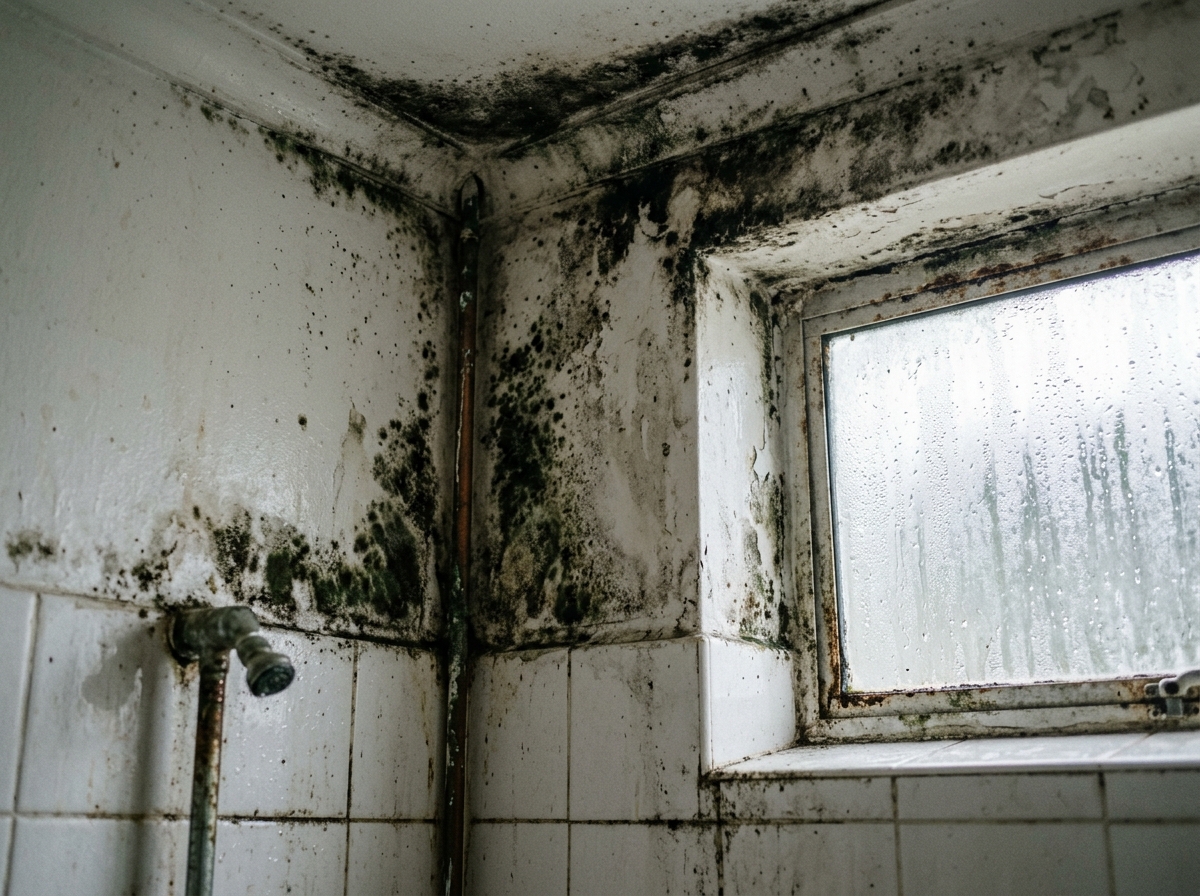
Before you start testing, check for these common red flags:
- Musty or earthy smell — especially in basements, bathrooms, or closets
- Visible mold spots — black, green, or white patches on walls, ceilings, or around windows
- High humidity — indoor humidity consistently above 60%
- Past water damage — leaks, flooding, or condensation problems
- Increased allergy symptoms — that only happen indoors or in certain rooms
If you notice even one of these signs, it's time to test your air quality for mold.
How to Check Air Quality for Mold: Step-by-Step
Step 1: Get a Mold Air Quality Test Kit
Head to your local hardware store or shop online for a DIY mold test kit. These kits typically include petri dishes, swabs, and lab submission instructions. Prices range from $10 to $50, depending on the brand and number of tests included.
Step 2: Choose the Right Rooms to Test
Focus on high-risk areas first:
- Bathrooms and shower areas
- Basement and crawl spaces
- Kitchen (near the sink and refrigerator)
- Laundry room
- Any room with HVAC vents or past water damage
Step 3: Follow the Kit Instructions Carefully
Place petri dishes in each room for the recommended time (usually 24–48 hours). Keep windows and doors closed during testing for accurate results. Avoid placing dishes near air vents or drafts.
Step 4: Send Samples to a Lab (If Required)
Many kits require you to mail the sample to a certified lab for analysis. Results typically come back within 5–10 business days. The lab report will tell you the mold spore count and the types of mold present.
Step 5: Read and Understand Your Results
- Low spore count — normal, no immediate action needed
- Moderate spore count — monitor closely and improve ventilation
- High spore count — take action immediately; consider professional help
Other Ways to Test Indoor Air Quality for Mold
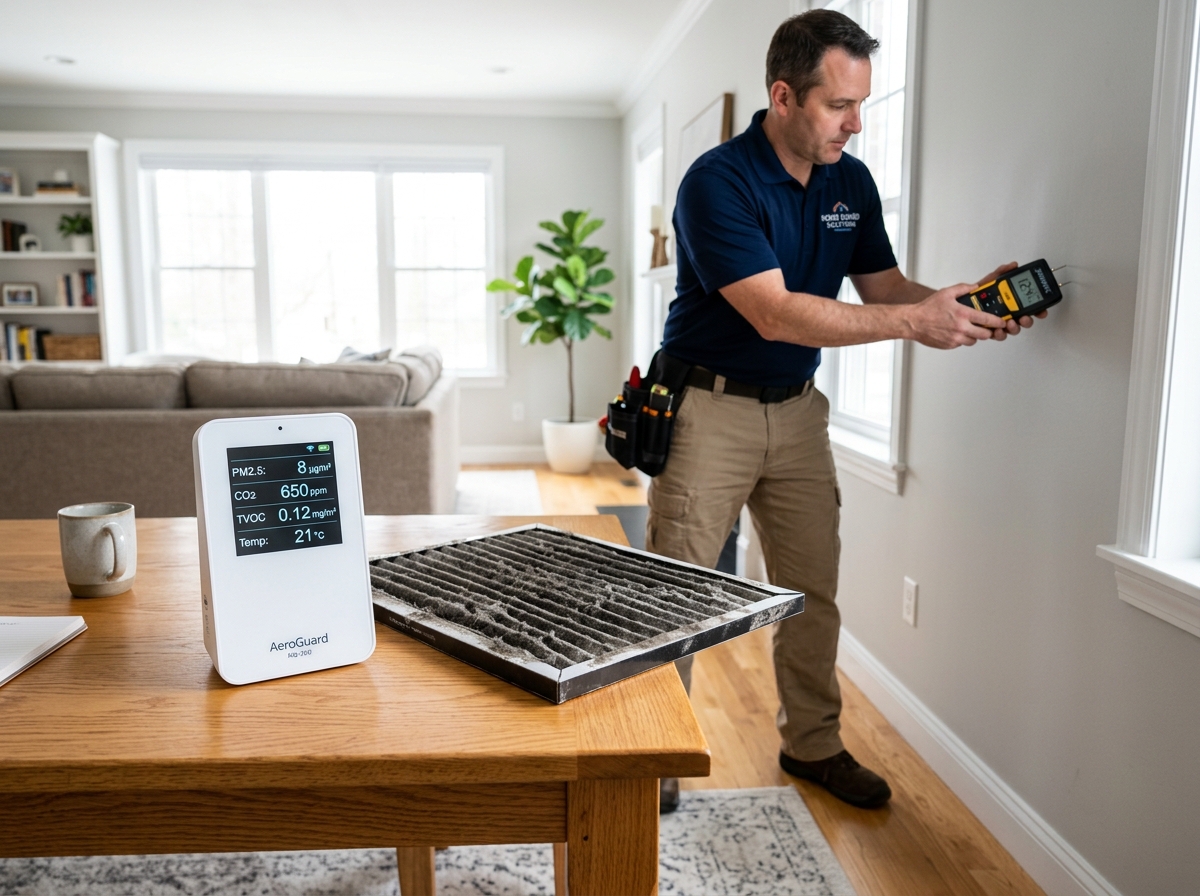
Not ready to mail a lab sample? Here are a few more options:
Air Quality Monitors — Devices like the Airthings Wave or IQAir AirVisual track humidity and particulate matter in real time. While they don't specifically identify mold, high humidity readings are a strong mold indicator.
HVAC and Air Filter Inspection — Check your HVAC filters regularly. Dark, clogged filters or visible growth near vents are signs of mold circulating through your air system.
Professional Mold Inspector — If you suspect a serious mold problem, hire a certified indoor air quality (IAQ) professional. They use advanced tools like air sampling pumps and moisture meters to give you a complete picture.
What to Do If You Find Mold in Your Air
Finding mold doesn't have to mean panic. Here's how to respond:
- Fix the moisture source first — Mold needs water to grow. Repair leaks, improve drainage, and fix any water damage immediately.
- Use a HEPA air purifier — A high-quality air purifier with a HEPA filter can capture mold spores and significantly improve your indoor air quality.
- Increase ventilation — Open windows when possible and use exhaust fans in kitchens and bathrooms.
- Clean affected surfaces — For small areas (under 10 sq ft), use a mold-killing solution like diluted white vinegar or an EPA-approved mold cleaner.
- Call a professional — For large infestations or mold behind walls, always hire a certified mold remediation specialist.
How to Prevent Mold From Coming Back
Prevention is always easier than remediation. Keep these habits in mind:
- Keep indoor humidity between 30–50% using a dehumidifier
- Clean and replace HVAC filters every 1–3 months
- Ventilate bathrooms and kitchens during and after use
- Inspect your home after heavy rain or flooding
- Fix leaks as soon as they appear — don't wait
Final Thoughts
Mold in your home's air is a serious issue, but it's one you can tackle with the right information and tools. Whether you start with a simple DIY test kit or call in a professional, the most important thing is to act early. The sooner you catch a mold problem, the easier and cheaper it is to fix.
Want more expert tips on improving your indoor air quality? Explore more guides at iaqanswers.com your trusted source for all things IAQ.
Schedule Your Indoor Air Quality Check Today
Worried about the air inside your home? Our professional indoor air quality inspections help identify hidden pollutants, allergens, and airflow issues so you can breathe cleaner, healthier air with confidence.