
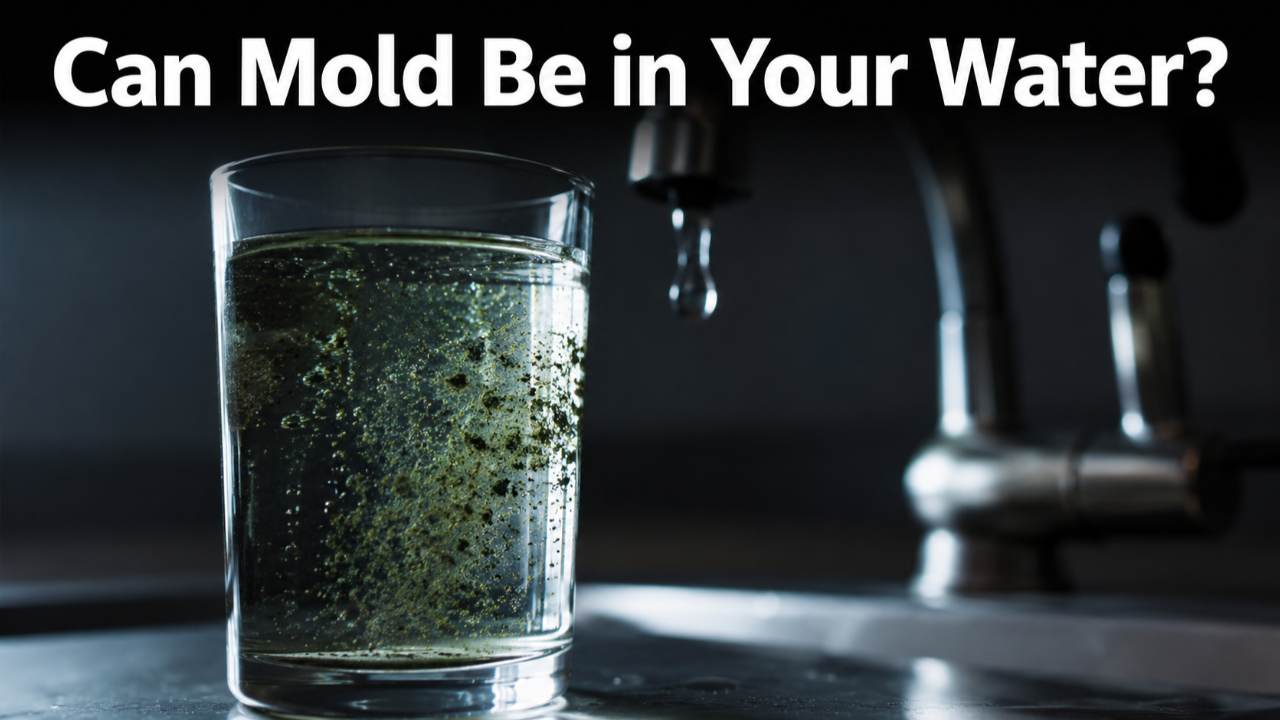
Can Mold Be in Water? What Every Homeowner Needs to Know
May 30, 2026You turn on your tap, fill a glass, and take a sip — but have you ever stopped to wonder what's actually in that water? Most people worry about chlorine or lead, but there's another invisible threat that often gets overlooked: mold. So, can mold be in water? The short answer is yes — and here's everything you need to know about it.
Can Mold Actually Grow in Water?
Yes, mold can absolutely be present in water. Mold reproduces through microscopic spores that float through the air and water constantly. While mold typically needs a surface to form a visible colony, its spores can survive and travel freely through water.
Under the right conditions, mold doesn't just survive in water — it thrives. If water contains organic matter and sits at a warm temperature for long enough, mold can begin to grow and spread quickly.
What Conditions Allow Mold to Thrive in Water?
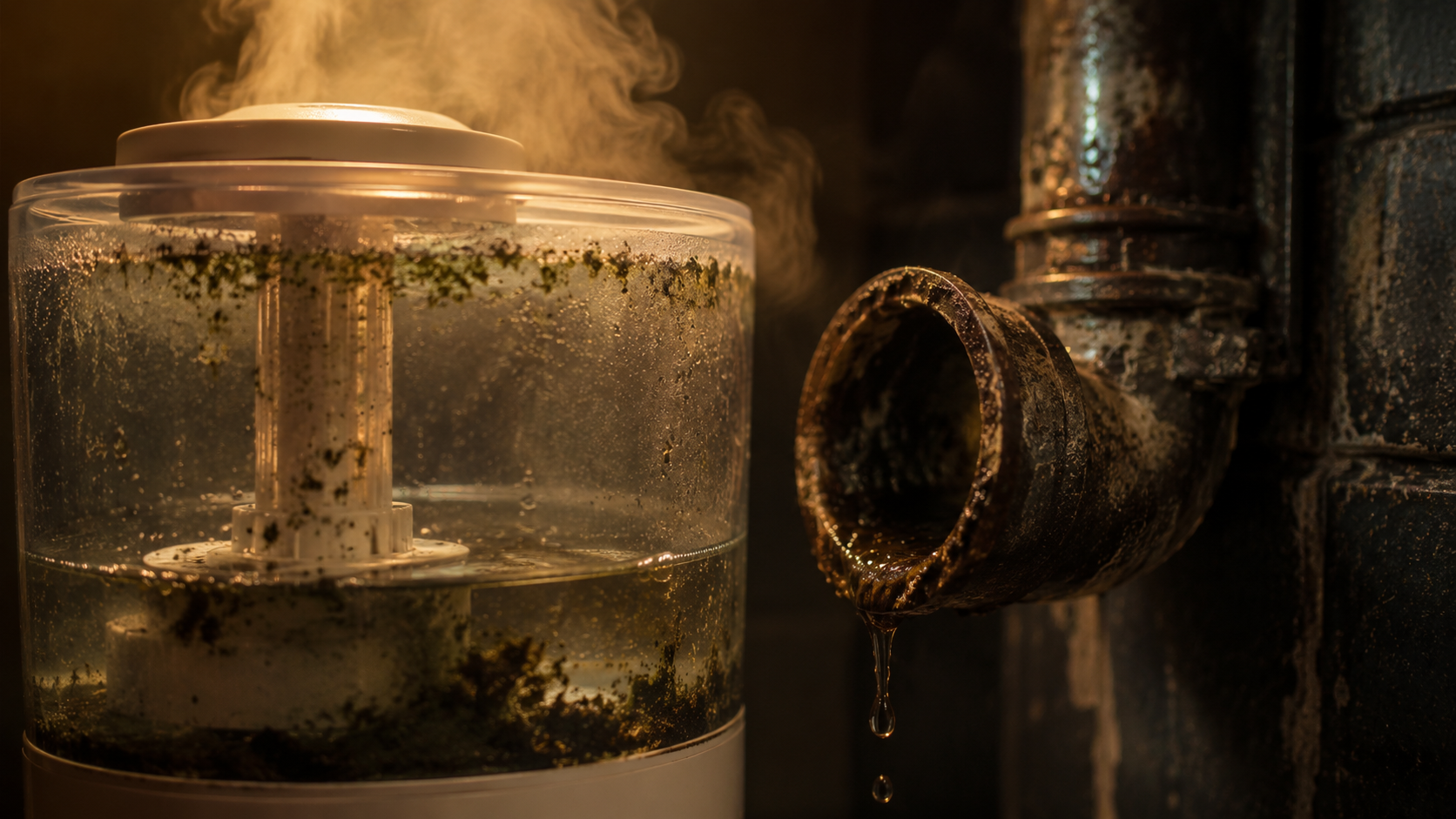
Mold in water isn't random. It needs a specific environment to grow:
- Warmth — Mold grows best between 77°F and 86°F (25°C–30°C). Warm water systems like water heaters are prime targets.
- Organic nutrients — Dust, dirt, and natural minerals in water give mold the fuel it needs.
- Stagnant conditions — Moving water is less hospitable to mold. Still, standing, or slow-moving water — like in a humidifier tank or clogged pipe — is where mold colonies form most easily.
If your home has any area where water sits undisturbed for days, mold is a real possibility.
Where Is Mold Most Commonly Found in Water?
Mold in water can show up in more places than you'd expect:
Tap Water & Plumbing: While municipal water is treated, old pipes or private wells can harbor mold spores. If your water has a musty smell or unusual taste, mold contamination could be the cause.
Water Heaters: Sediment buildup at the bottom of your water heater creates a perfect feeding ground for mold — especially if the temperature is set too low.
Humidifiers & HVAC Systems: These appliances circulate moisture through your home. If the water reservoir isn't cleaned regularly, mold can grow and then be sprayed directly into the air you breathe.
Standing Water & Flood Damage: After any flooding or water leak, standing water becomes a mold breeding ground within just 24 to 48 hours.
Is Mold in Water Dangerous?

Yes — mold in water poses real health risks, especially with prolonged exposure. Drinking or inhaling mold-contaminated water can cause:
- Respiratory issues (coughing, wheezing, shortness of breath)
- Allergic reactions (sneezing, runny nose, skin irritation)
- Headaches and fatigue
- More serious infections in people with weakened immune systems
Children, the elderly, and anyone with asthma or allergies are especially vulnerable. If you suspect mold in your water supply, don't ignore it.
How to Test for Mold in Water
Not sure if your water has mold? Here are your options:
- DIY test kits — Available at most hardware stores. You collect a water sample and mail it to a lab. Results usually come back within a week.
- Professional water testing — A certified water quality professional can test for a wide range of contaminants, including mold, and give you a detailed report.
If you have a private well, annual testing is strongly recommended. For municipal water, testing becomes important if you notice changes in taste, smell, or color.
How to Get Rid of Mold in Water
The good news: mold in water systems is manageable. Here's what you can do:
- Flush your pipes — Run cold water for several minutes, especially after extended periods of disuse (like returning from vacation).
- Clean your humidifier — Empty and wipe down the reservoir weekly using a diluted vinegar or hydrogen peroxide solution.
- Set your water heater to 120°F (49°C) — This temperature discourages mold and bacterial growth.
- Install a water filter — A quality whole-house filter or under-sink system can significantly reduce mold spores in your drinking water.
- Address leaks immediately — Any water leak is a potential mold starter. Fix leaks fast and dry out affected areas within 24–48 hours.
Final Thoughts
So, can mold be in water? Absolutely — and it's more common than most people realize. The key is staying proactive: maintain your water systems, test regularly, and act quickly at the first sign of trouble. Clean water isn't just about taste — it's about your health and your family's safety.
Have more questions about water quality? Browse more guides at iaqanswers.com — your go-to source for indoor air and water quality answers.
Schedule Your Indoor Air Quality Check Today
Worried about the air inside your home? Our professional indoor air quality inspections help identify hidden pollutants, allergens, and airflow issues so you can breathe cleaner, healthier air with confidence.