
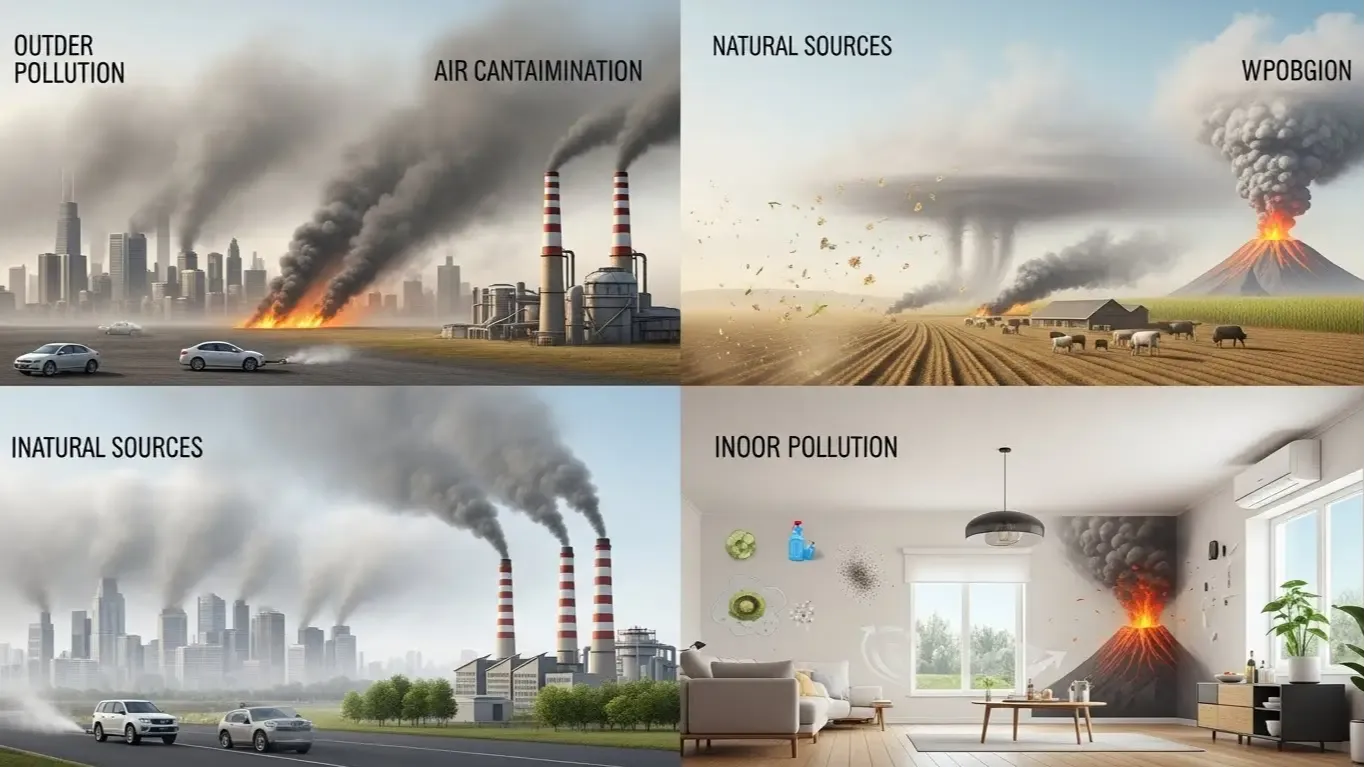
What Causes Air Contamination? A Guide to Hidden Dangers
Dec 30, 2025We often think of air as invisible and limitless, but the reality is quite different. The air we breathe is a complex mixture, and unfortunately, it’s becoming increasingly crowded with harmful substances. If you’ve ever wondered what causes air contamination, you aren't alone. From the smog hovering over city skylines to the unseen dust in our living rooms, air quality is a global concern that impacts everyone.
Understanding the root of the problem is the first step toward better health and a cleaner planet. This article breaks down the major sources of air contamination, exploring both the obvious culprits and the surprising factors contributing to air pollution in our daily lives.
Understanding Air Contamination
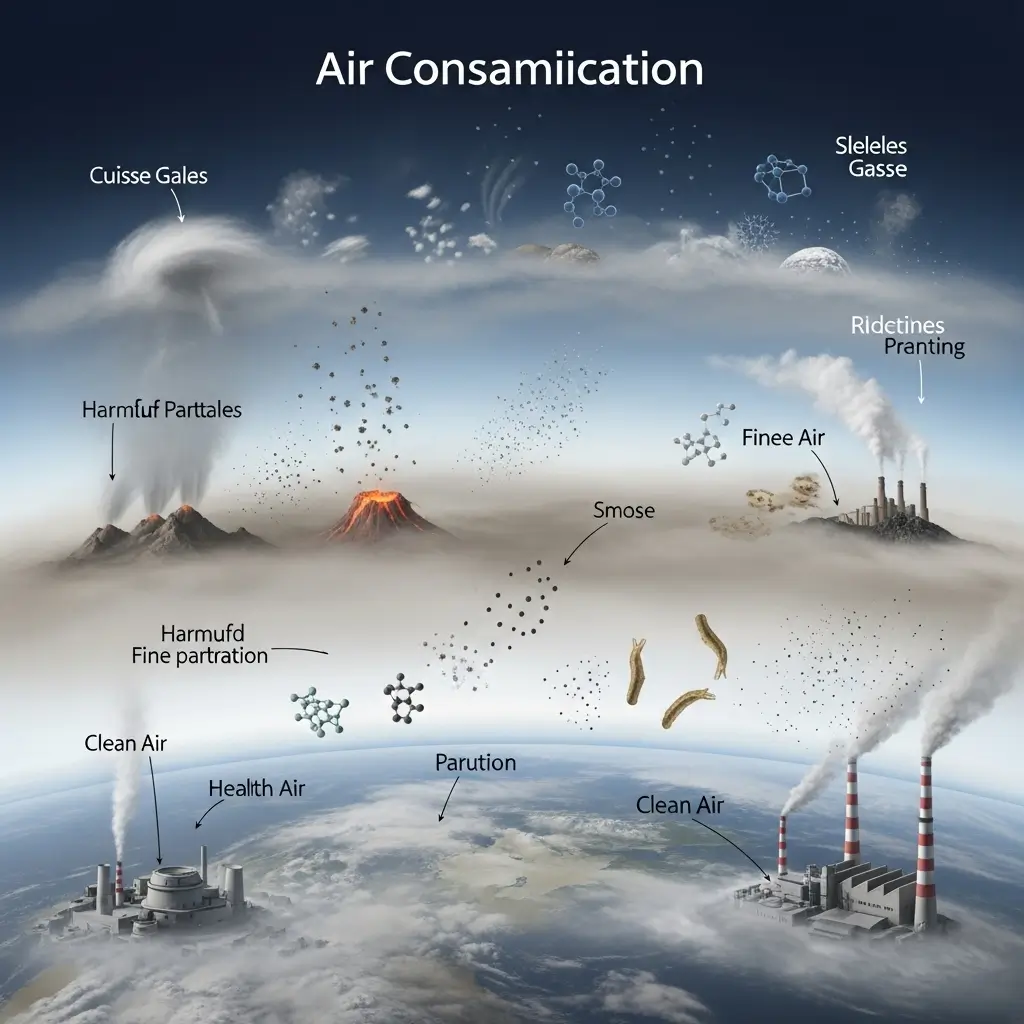
Air contamination, commonly known as air pollution, occurs when harmful substances—including gases, particulates, and biological molecules—are introduced into Earth's atmosphere. These pollutants can cause disease, allergies, and even death to humans, while also damaging other living organisms like animals and food crops.
The causes are rarely singular. Instead, what we see is a combination of natural events and human activities creating a toxic cocktail. While we can't control every aspect of our environment, identifying the sources of air contamination helps us mitigate the risks.
Human Activities: The Primary Drivers
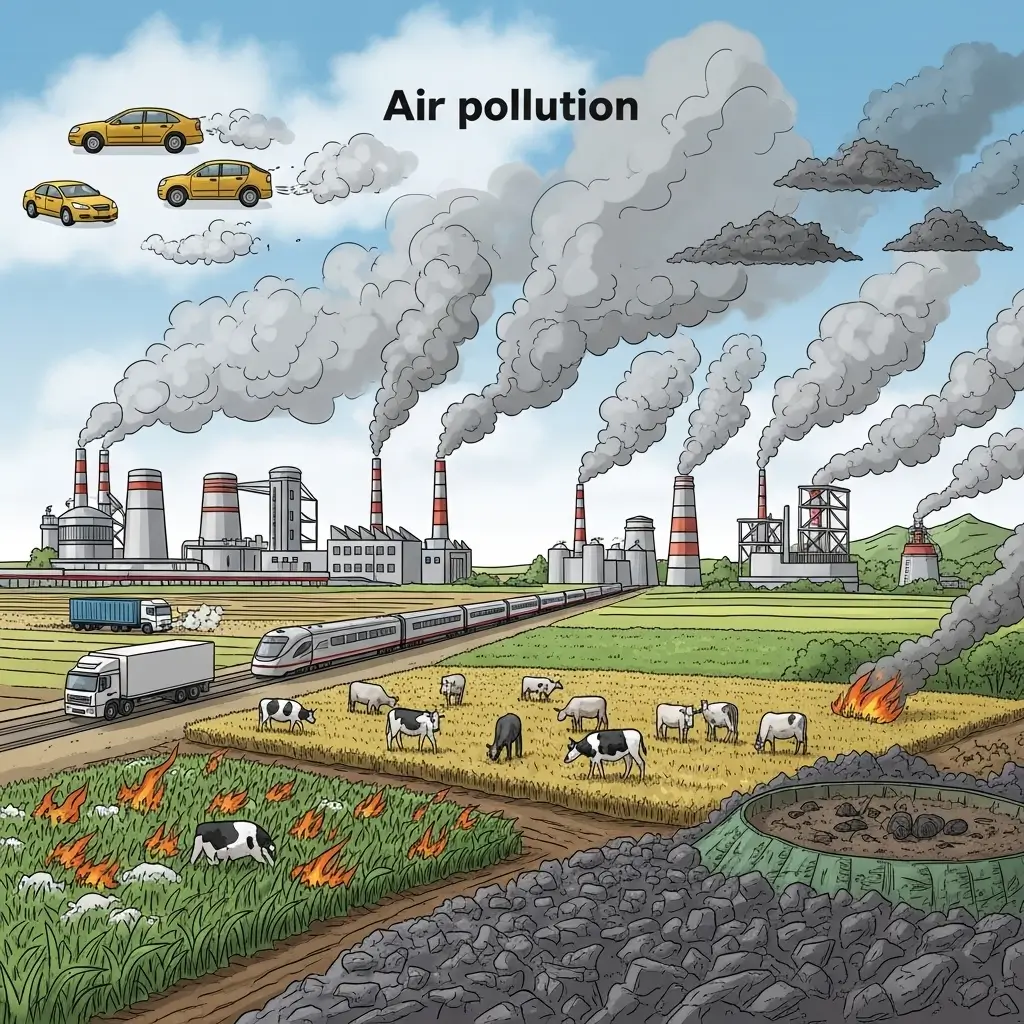
When we ask what causes air contamination, human innovation and industry usually top the list. Our modern lifestyle relies heavily on processes that release significant pollutants into the air.
1. Fossil Fuel Combustion
Burning fossil fuels is arguably the largest contributor to poor air quality.
- Transportation: Cars, trucks, trains, and shipping vessels burn gasoline and diesel, releasing carbon monoxide, nitrogen oxides, and particulate matter.
- Power Plants: Coal and gas-fired power plants generate electricity but also pump massive amounts of sulfur dioxide and heavy metals like mercury into the atmosphere.
- Heating: Many homes and buildings still rely on oil or gas for heat, adding to the local pollution load.
These emissions react with sunlight to create ground-level ozone, a primary ingredient in smog.
2. Industrial Emissions and Manufacturing
Factories are major sources of air contamination. Manufacturing processes release a variety of chemicals, including volatile organic compounds (VOCs) and hydrocarbons. Oil refineries, paper mills, and chemical plants are particularly intensive sources. Even smaller facilities, like dry cleaners or auto body shops, contribute to local air quality issues through solvent usage.
3. Agricultural Activities
It might be surprising to list farming alongside factories, but agricultural practices are significant factors contributing to air pollution.
- Livestock: Cattle and sheep produce large amounts of methane, a potent greenhouse gas.
- Fertilizers: The use of nitrogen-rich fertilizers releases ammonia into the air, which can combine with other emissions to form dangerous particulate matter.
- Crop Burning: In many parts of the world, farmers burn crop residue to clear fields, creating thick smoke that can travel for hundreds of miles.
4. Waste Management
How we handle our trash matters. Landfills generate methane as organic waste decomposes. Furthermore, waste incineration—burning trash—can release toxic substances like dioxins and furans if not properly filtered.
Natural Sources of Air Contamination
Not all pollution comes from a tailpipe or a smokestack. Nature has its own way of altering air quality, sometimes drastically.
- Wildfires: As climate change intensifies, wildfires are becoming more frequent and severe. These fires release massive plumes of smoke containing carbon monoxide and fine particulate matter (PM2.5) that can damage lungs.
- Volcanic Eruptions: Volcanoes eject huge clouds of ash and sulfur dioxide, which can cool the global climate and cause acid rain.
- Dust Storms: In arid regions, strong winds lift soil and sand into the air, creating dust storms that reduce visibility and cause respiratory distress.
- Allergens: Pollen from trees, weeds, and grass is a natural contaminant that affects millions of people seasonally.
Indoor Air Quality: The Danger Within

When discussing air pollution causes, we often look outside. However, the air inside our homes can be up to five times more polluted than outdoor air. Since we spend about 90% of our time indoors, this is a critical area of concern.
Common Indoor Pollutants
- Building Materials: Pressed wood products, paints, and insulation can release VOCs like formaldehyde.
- Household Products: Cleaning agents, air fresheners, and personal care products often contain harsh chemicals that linger in the air.
- Mold and Mildew: Damp environments encourage biological growth, releasing spores that trigger asthma and allergies.
- Inadequate Ventilation: Modern homes are sealed tightly for energy efficiency. Without proper airflow, pollutants get trapped inside and accumulate to dangerous levels.
The Impact on Health and Environment
The consequences of ignoring these sources of air contamination are severe. Long-term exposure to polluted air is linked to heart disease, lung cancer, and respiratory infections. The World Health Organization estimates that air pollution kills an estimated seven million people worldwide every year.
Environmentally, air contamination leads to acid rain, which harms forests and acidifies lakes. It also accelerates climate change, as greenhouse gases like carbon dioxide and methane trap heat in the atmosphere.
Taking Action for Cleaner Air
Identifying what causes air contamination empowers us to make changes. On a large scale, shifting toward renewable energy sources like wind and solar can drastically reduce industrial emissions. Stricter regulations on vehicle exhaust and factory output are also essential.
On an individual level, you can reduce your contribution to pollution by:
- Conserving energy at home to reduce power plant demand.
- Using public transportation, carpooling, or driving electric vehicles.
- Choosing low-VOC paints and cleaning products.
- Supporting sustainable agricultural practices.
Conclusion
Understanding what causes air contamination reveals a complex web of industrial, agricultural, and natural factors. While some elements, like volcanic eruptions, are beyond our control, the vast majority of air pollution causes are linked to human activity. By recognizing the sources of air contamination—from the cars we drive to the products we use at home—we can make informed choices that protect our health and the environment. Clean air isn't just a luxury; it is a fundamental necessity for a healthy life.
Schedule Your Indoor Air Quality Check Today
Worried about the air inside your home? Our professional indoor air quality inspections help identify hidden pollutants, allergens, and airflow issues so you can breathe cleaner, healthier air with confidence.