
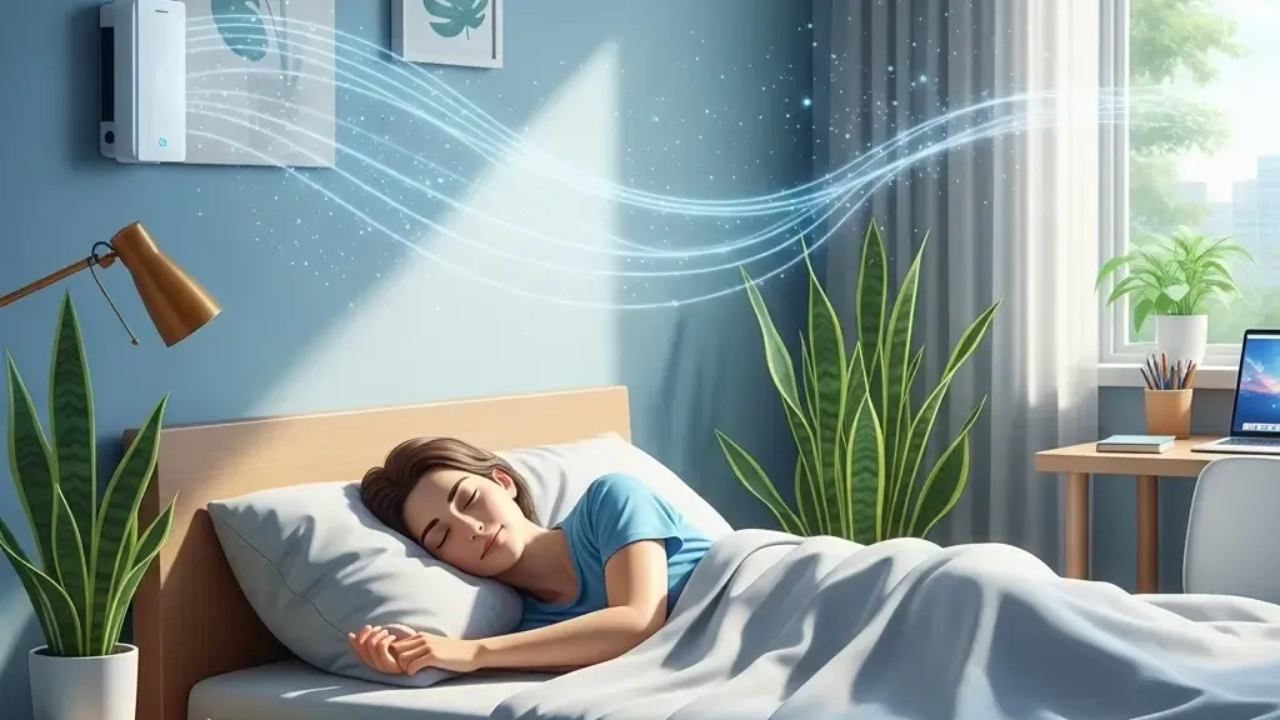
How Indoor Air Quality Affects Sleep and Productivity
Dec 30, 2025Have you ever wondered why you sometimes wake up feeling tired even after a full night's rest? Or why you struggle to focus during the day? The answer might be floating right in front of you. The quality of the air inside your home or office plays a huge role in your overall well-being. This article will explore how indoor air quality affects sleep and productivity, showing you the hidden connection between the air you breathe and how you feel.
Clean air is essential not just for our lungs, but for our minds and bodies to function at their best. From getting restorative sleep to staying sharp and productive at home, the purity of your indoor environment matters more than you might think. Let's dive into what makes up your indoor air and how you can make it healthier.
What Is Indoor Air Quality?
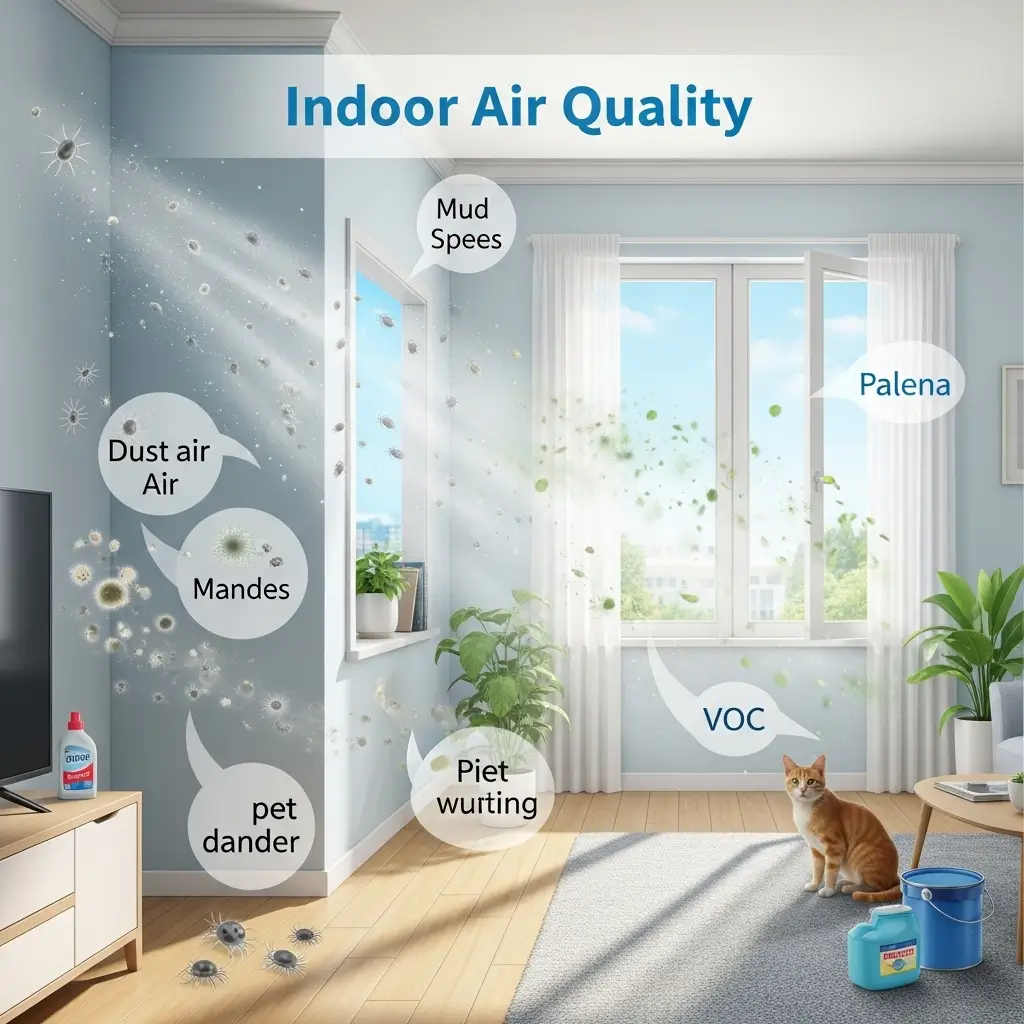
Indoor air quality (IAQ) refers to the condition of the air within and around buildings and structures. It's especially related to the health and comfort of the people inside. Good IAQ means the air is clean, clear, and free from pollutants that could cause discomfort or health problems. On the other hand, poor indoor air quality is caused by high concentrations of pollutants.
Common sources of indoor air pollution include:
- Dust and Dust Mites: Tiny particles that collect on surfaces and get stirred into the air.
- Mold and Mildew: Fungi that grow in damp areas and release spores.
- Chemicals (VOCs): Volatile organic compounds from cleaning products, paint, furniture, and air fresheners.
- Pet Dander: Small flecks of skin shed by cats, dogs, and other animals with fur or feathers.
- Pollen and Outdoor Pollutants: These can drift indoors through open windows and doors.
How Poor Indoor Air Quality Affects Sleep
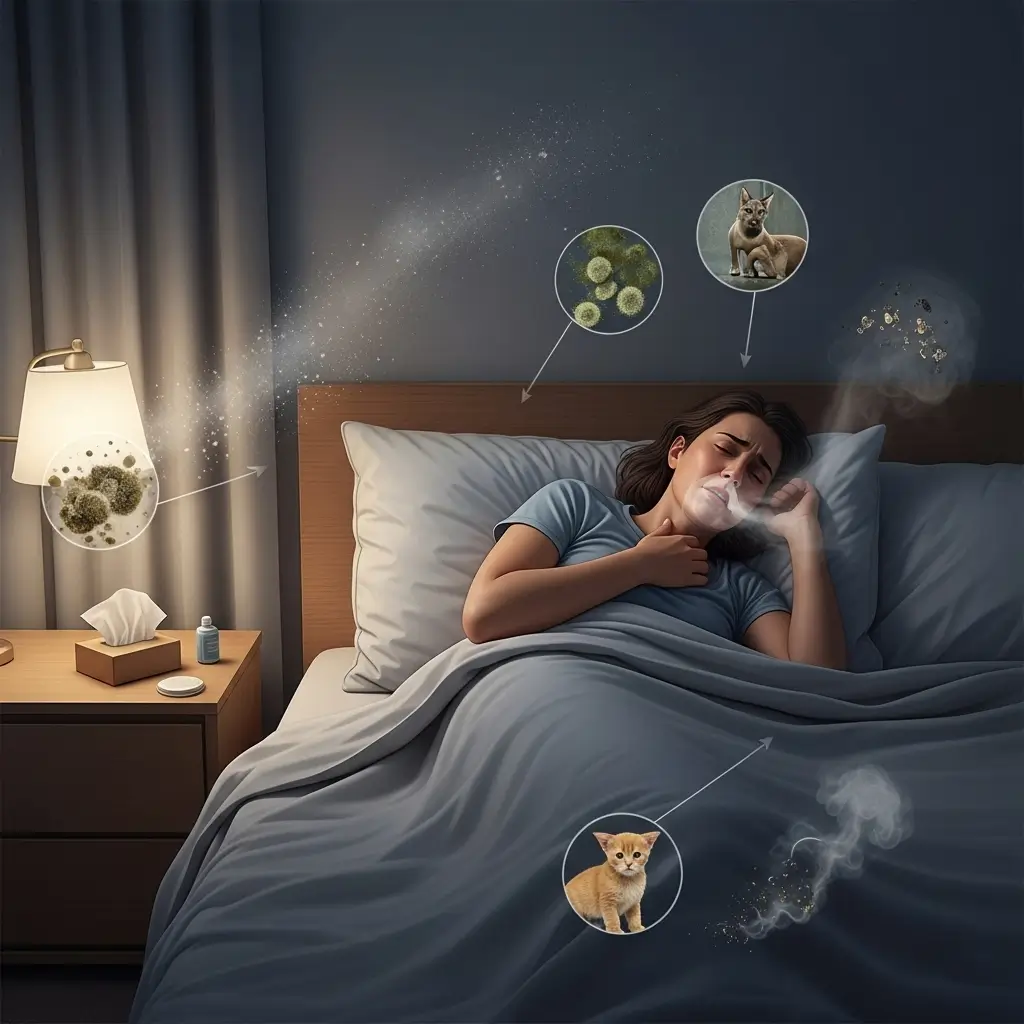
A good night's sleep is the foundation of a healthy day, but poor air quality can seriously disrupt it. The relationship between air quality and sleep is direct. When you breathe in polluted air overnight, your body has to work harder, which can prevent you from reaching the deep, restorative stages of sleep.
Here’s how it can impact your rest:
- Trouble Falling Asleep: Irritants in the air can cause discomfort, making it difficult to relax and drift off.
- Poor Sleep Quality: Even if you do fall asleep, your body may be fighting off allergens or pollutants. This can lead to frequent waking, tossing and turning, and a general sense of restlessness.
- Breathing Problems at Night: Pollutants can irritate your respiratory system, leading to snoring, coughing, or even worsening conditions like sleep apnea. This interrupts oxygen flow and fragments your sleep.
- Allergies and Nighttime Discomfort: Dust mites, pet dander, and mold can trigger allergic reactions. A stuffy nose, itchy eyes, or a scratchy throat can make it nearly impossible to get comfortable.
How Indoor Air Quality Affects Productivity During the Day
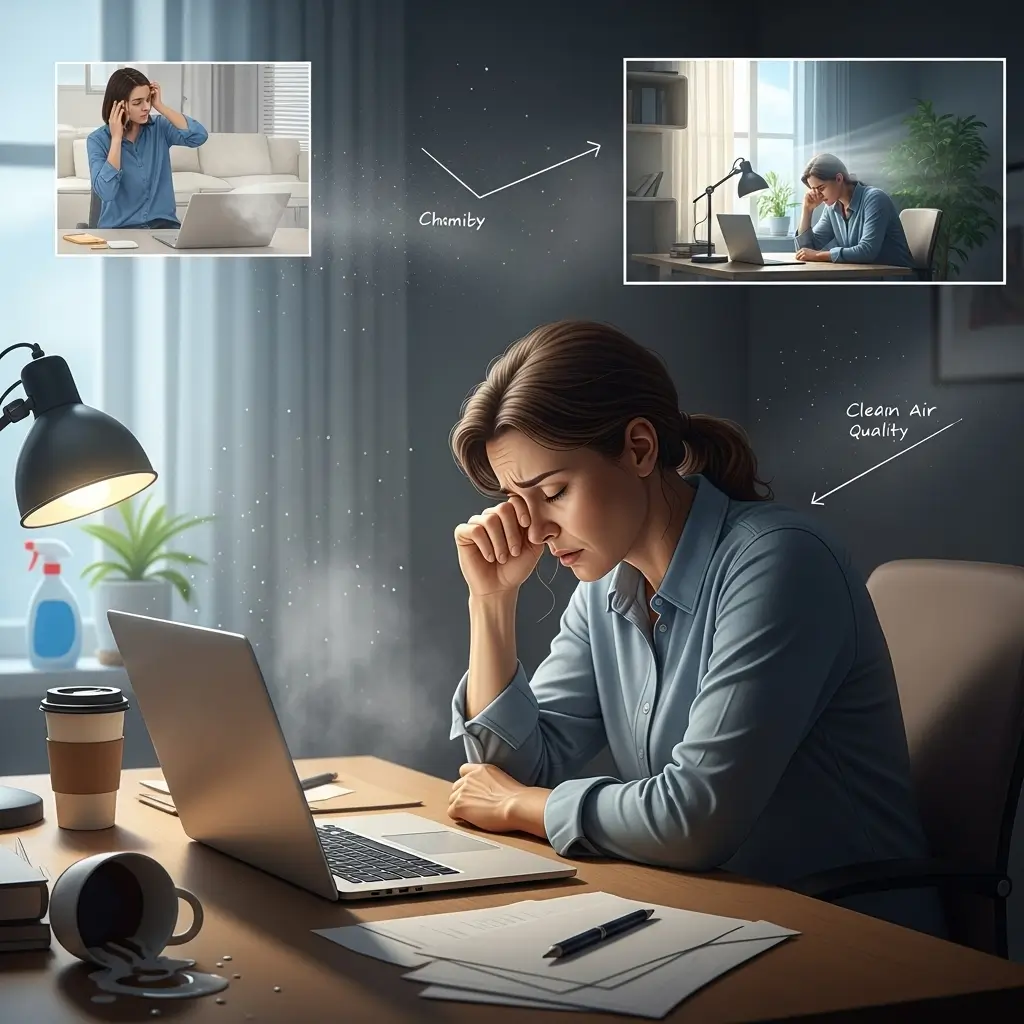
The effects of indoor air quality don't stop when you wake up. A night of poor sleep directly translates to a day of low productivity. If you work from home, the air you breathe all day long can have an even greater impact on your performance.
Consider these common effects:
- Fatigue and Low Energy: After a night of interrupted sleep, you’re bound to feel tired and sluggish. This lack of energy makes it hard to tackle your daily tasks.
- Headaches and Lack of Focus: Poor air quality, especially from chemical pollutants, can lead to frequent headaches and a feeling of "brain fog." This makes concentrating on complex tasks feel like a major struggle.
- Reduced Work Performance: When you're tired, unfocused, and dealing with physical discomfort, your productivity at home or in the office naturally declines. Your cognitive function, creativity, and problem-solving abilities all suffer.
Common Signs of Poor Indoor Air Quality
Sometimes, the signs of poor indoor air are subtle. You might get used to them over time, not realizing they are connected to your environment.
Pay attention to these common indicators:
- Waking up feeling tired or unrefreshed.
- Experiencing a dry throat, scratchy nose, or headaches in the morning.
- Noticing your allergy or asthma symptoms get worse indoors.
- Having persistent difficulty concentrating during the day.
- A musty or stuffy odor in certain rooms.
How to Improve Indoor Air Quality for Better Sleep and Productivity
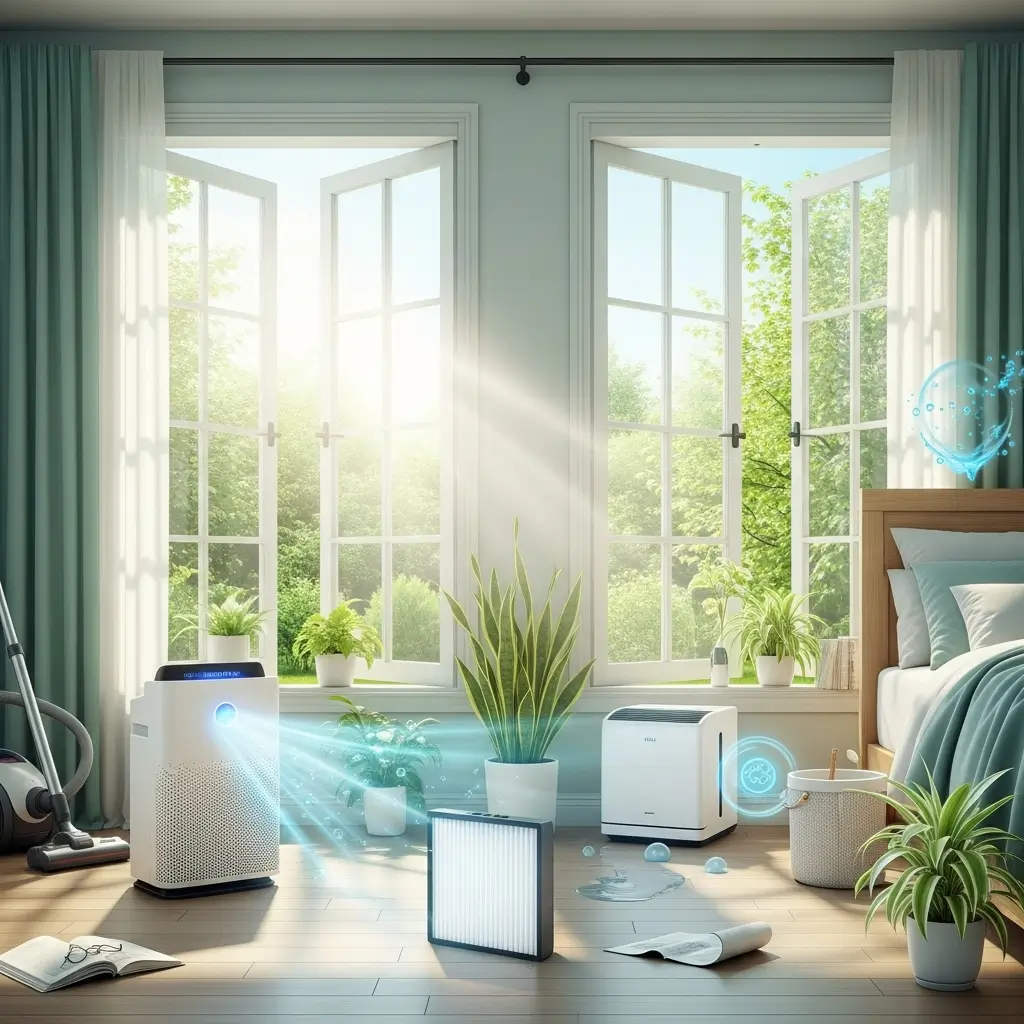
The good news is that you can take simple, effective steps to achieve healthy indoor air. You don't need to make drastic changes to notice a big difference in your sleep quality and daily energy levels.
- Improve Ventilation: Open your windows for at least 15 minutes each day to let fresh air circulate and push out stale, polluted air.
- Use Air Purifiers: A high-quality air purifier with a HEPA filter can capture dust, dander, pollen, and other fine particles, significantly cleaning the air in your main living areas and bedroom.
- Control Humidity: Keep indoor humidity levels between 30% and 50%. A dehumidifier can prevent mold and mildew growth in damp areas like basements and bathrooms.
- Regular Cleaning: Dust and vacuum regularly using a vacuum with a HEPA filter. This removes allergens from floors, carpets, and furniture before they become airborne.
- Avoid Indoor Pollutants: Choose natural, fragrance-free cleaning products. Be mindful of scented candles and air fresheners, which can release harmful VOCs.
Best Indoor Air Quality Tips for Bedrooms
Since you spend about a third of your life in your bedroom, making it a sanctuary for clean air is crucial for restorative sleep.
- Keep Windows Open (When Possible): A slightly open window at night can provide a steady stream of fresh air, as long as outdoor air quality is good.
- Wash Bedding Regularly: Wash your sheets, pillowcases, and blankets in hot water at least once a week to kill dust mites.
- Avoid Strong Scents: Skip perfumes, scented lotions, and strong-smelling hair products before bed. These can be irritating to your respiratory system.
- Use Houseplants: Certain plants, like Snake Plants or Spider Plants, are known for their air-purifying properties. They can help filter out common toxins.
Conclusion
The link between your environment and your well-being is undeniable. Poor indoor air quality can disrupt your sleep, drain your energy, and hinder your focus, creating a cycle of fatigue and low productivity. By understanding the common pollutants and their effects, you can take control of your indoor atmosphere.
Making small, simple changes—like opening a window, cleaning more often, or adding an air purifier—can lead to profound improvements. Prioritizing healthy indoor air is an investment in better sleep, sharper productivity, and a healthier life overall. Start today and breathe easier tonight.
Schedule Your Indoor Air Quality Check Today
Worried about the air inside your home? Our professional indoor air quality inspections help identify hidden pollutants, allergens, and airflow issues so you can breathe cleaner, healthier air with confidence.